Fort Worth, TX · ramen and pho shop
Cost to open a ramen and pho shop in Fort Worth
Opening a ramen and pho shop in Fort Worth requires careful financial planning. The city's commercial real estate market, local competition, and regulatory environment create specific cost pressures that differ from other Texas markets. Understanding these factors helps founders allocate capital effectively and avoid common pitfalls. The cost structure for a ramen and pho shop involves several major categories, each with its own variables and potential for cost overruns.
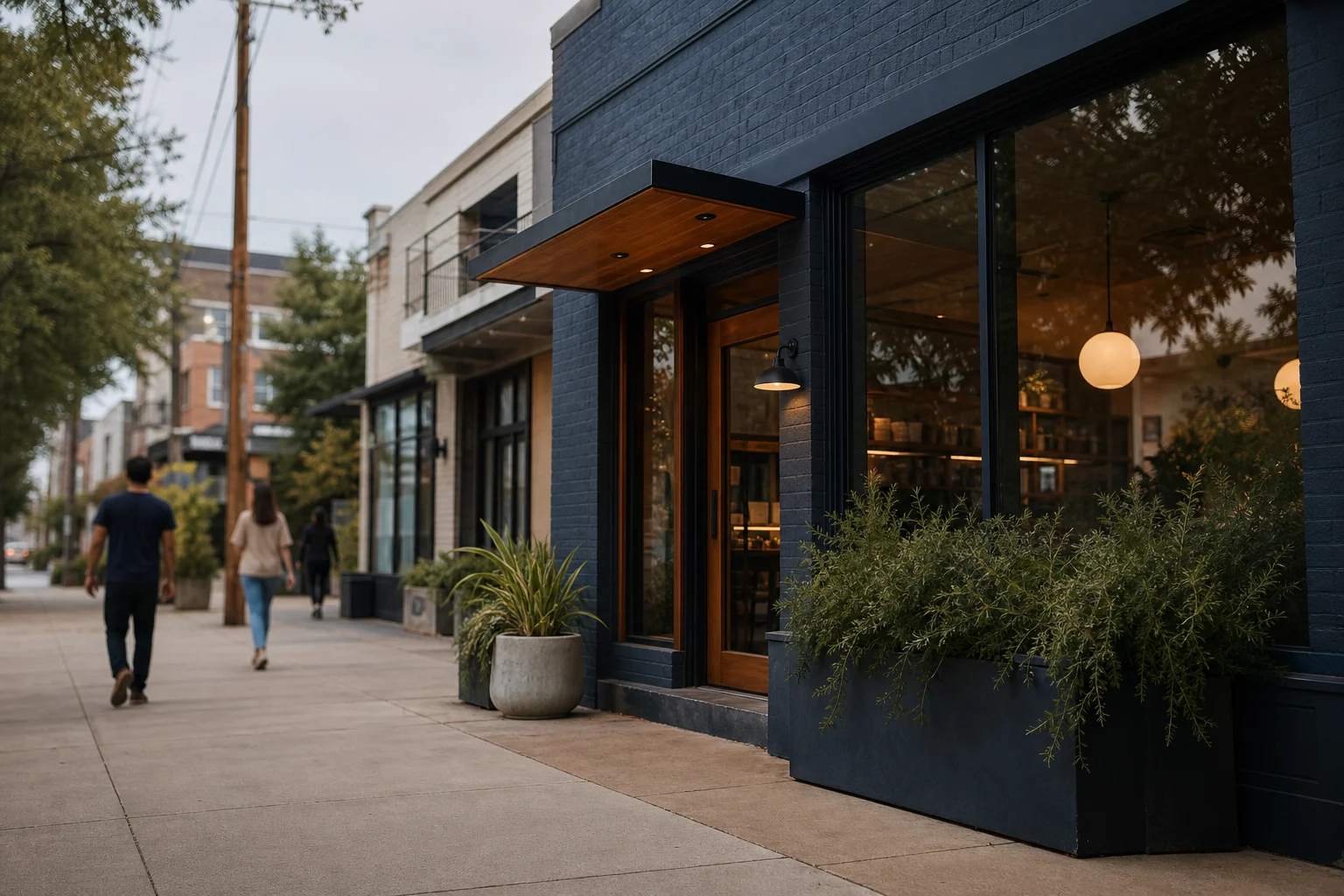
What does it cost to open a ramen and pho shop in Fort Worth?
The total startup costs for a ramen and pho shop in Fort Worth depend on multiple factors including location, size, buildout quality, and equipment needs. While exact figures vary widely, the primary cost drivers remain consistent across different neighborhoods. Fort Worth's commercial real estate market presents specific challenges, with rent bands typically ranging from $25-$85/sqft/yr NNN across the most viable neighborhoods. This rent range significantly impacts the overall startup budget, as lease costs represent a substantial portion of ongoing expenses.
Major cost categories
Lease deposit and first/last month
Securing a suitable location is often the first major expense for a ramen and pho shop. In Fort Worth, lease deposits typically equal one to three months' rent, while first and last month payments are standard. The rent bands in top neighborhoods like Berry Street / TCU adjacent ($25-$85/sqft/yr NNN), Stockyards ($25-$85/sqft/yr NNN), and TCU Campus / University Place ($25-$85/sqft/yr NNN) create a wide range of potential monthly obligations. Founders should budget for these upfront costs while considering the long-term implications of their lease terms.
Tenant improvements and buildout
Converting a raw space into a functional ramen and pho shop requires significant investment in tenant improvements. The condition of the space, local building codes, and the complexity of the kitchen design all impact these costs. Fort Worth's building department has specific requirements for commercial food establishments, which may include specialized ventilation, plumbing, and electrical work. These improvements often represent the largest single startup cost after real estate.
Equipment and furniture
Outfitting a ramen and pho shop requires specialized kitchen equipment, dining furniture, and front-of-house fixtures. The equipment needs for these two cuisines differ significantly, with pho requiring large steamers and ramen needing specialized noodle-making equipment. Quality used equipment can reduce costs, but new equipment often comes with better warranties and energy efficiency. Furniture selection impacts both customer experience and operational efficiency.
Licenses, permits, and insurance
Operating a food service business in Fort Worth requires multiple licenses and permits from city and state agencies. These include food service permits, health department inspections, and alcohol licenses if serving sake or other beverages. Insurance costs vary based on coverage levels, with general liability and property insurance being standard. The city's permitting process has specific timelines that founders must account for in their opening schedule.
Initial inventory or supplies
Stocking a ramen and pho shop requires significant initial inventory of ingredients, including specialized noodles, broths, proteins, and vegetables. These ingredients often require relationships with specific suppliers, and some may need to be imported. Inventory costs can be substantial, particularly for items with shorter shelf lives or specialized requirements.
Pre-opening payroll and training
Hiring and training staff before opening creates payroll expenses without revenue. This includes kitchen staff, front-of-house employees, and management. Training programs for ramen and pho preparation require time and resources, as these cuisines have specific techniques and quality standards. Founders should budget for at least one to two months of pre-opening payroll.
Working capital reserve
A working capital reserve is essential for covering unexpected expenses and sustaining the business during the initial months of operation. Many ramen and pho shops experience slower-than-expected revenue in their first few months, making this reserve critical for survival. The reserve should cover at least three to six months of operating expenses.
How Fort Worth compares to other TX markets
Fort Worth's commercial real estate market presents different cost dynamics compared to other Texas cities. While rent bands of $25-$85/sqft/yr NNN are similar to Austin and Dallas in premium locations, Fort Worth often offers more competitive rates in secondary areas. The city's business-friendly environment and growing population create opportunities but also increase competition for prime locations. Understanding these market differences helps founders set realistic expectations for their startup costs.
What competition looks like in the top areas
The top neighborhoods for ramen and pho shops in Fort Worth each offer distinct competitive landscapes. In the Cultural District, Hanabi Ramen & Izakaya operates with a 4.5-star rating from 2,151 reviews, indicating strong market presence. The Berry Street / TCU adjacent area benefits from high foot traffic near Texas Christian University, while the Stockyards offers tourist-driven demand. Each neighborhood presents different customer demographics and competitive pressures that impact business strategy and cost structure.
| Neighborhood | Locavisor Score | Rent Band | Key Advantages | Competition Level |
|---|---|---|---|---|
| Berry Street / TCU adjacent | 6.1/10 | $25-$85/sqft/yr NNN | Student foot traffic, mall adjacency | Moderate |
| Stockyards | 6.1/10 | $25-$85/sqft/yr NNN | Tourist destination, historic appeal | High |
| TCU Campus / University Place | 6.1/10 | $25-$85/sqft/yr NNN | Student population, campus proximity | Moderate |
| Sundance Square | 6.0/10 | $25-$85/sqft/yr NNN | Downtown visibility, office workers | High |
| Cultural District | 5.6/10 | $25-$85/sqft/yr NNN | Arts community, established food scene | High |
Common cost overrun patterns
Several patterns consistently lead to cost overruns in ramen and pho shop startups. Underestimating buildout complexity is common, as specialized kitchen requirements often exceed initial projections. Rent negotiations can also lead to unexpected costs if founders don't account for triple net (NNN) expenses. Equipment purchases frequently exceed budgets, particularly when specialized items are needed. Inventory mismanagement during the initial months can create cash flow problems. Founders who anticipate these patterns can build contingency funds into their budgets.
How to validate your number before committing capital
Validating startup cost assumptions requires thorough research and due diligence. Founders should obtain multiple lease quotes to understand market rates and negotiate effectively. Consulting with local contractors experienced in restaurant buildouts provides realistic buildout cost estimates. Equipment suppliers can offer quotes based on specific needs, while insurance agents provide accurate premium estimates. Reviewing financial statements of similar businesses, when available, offers valuable benchmarking data. This validation process helps founders create more accurate budgets and avoid surprises.

FAQ
What are the best neighborhoods for a ramen and pho shop in Fort Worth?
The top neighborhoods for ramen and pho shops in Fort Worth, according to Locavisor scoring, are Berry Street / TCU adjacent (6.1/10), Stockyards (6.1/10), and TCU Campus / University Place (6.1/10). These areas offer strong foot traffic, appropriate rent bands ($25-$85/sqft/yr NNN), and customer demographics that align with ramen and pho preferences.
How do I find reliable equipment suppliers in Fort Worth?
Local restaurant supply stores in Fort Worth can provide recommendations for equipment suppliers specializing in Asian cuisine. Online platforms like Restaurant Equipment World offer competitive pricing, while local dealers may provide better service and support. Consider both new and used equipment options, and verify warranty coverage before purchasing.
What permits do I need to open a ramen and pho shop in Fort Worth?
You'll need a food service permit from the Tarrant County Public Health Department, a business license from the City of Fort Worth, and potentially an alcohol permit if serving sake or other beverages. The Texas Department of Licensing and Regulation oversees food service establishments, and you may need additional permits based on your specific location and operations.
Last reviewed: 2026-05-30
Sources: U.S. Census Bureau ACS, LEHD LODES, Google Places, OpenStreetMap, Locavisor neighborhood scoring.
Methodology: Locavisor scores neighborhoods across demand, competition fit, rent fit, accessibility, and customer match. Scores reflect a snapshot of recent data and should be combined with on-the-ground research before lease decisions.
Disclaimer: This article provides informational content only and does not constitute legal, financial, accounting, or real-estate advice. Verify lease terms, licensing, local regulations, costs, and professional requirements with qualified local professionals before making business decisions.
Free preview shows top 3 neighborhoods. Full $9.99 report covers all 10 areas with personalized scoring + 90-day check-ins.
Informational only. Verify lease, licensing, local regulations, costs, and professional requirements with qualified local professionals.