Miami, FL · ramen and pho shop
Cost to open a ramen and pho shop in Miami
Opening a ramen and pho shop in Miami requires careful planning of your startup cost stack. The cost to open a ramen and pho shop in Miami varies significantly based on location, buildout quality, equipment needs, and staffing requirements. Miami's mixed market temperature and medium competition density create both opportunities and challenges for new entrants in the ramen and pho space.
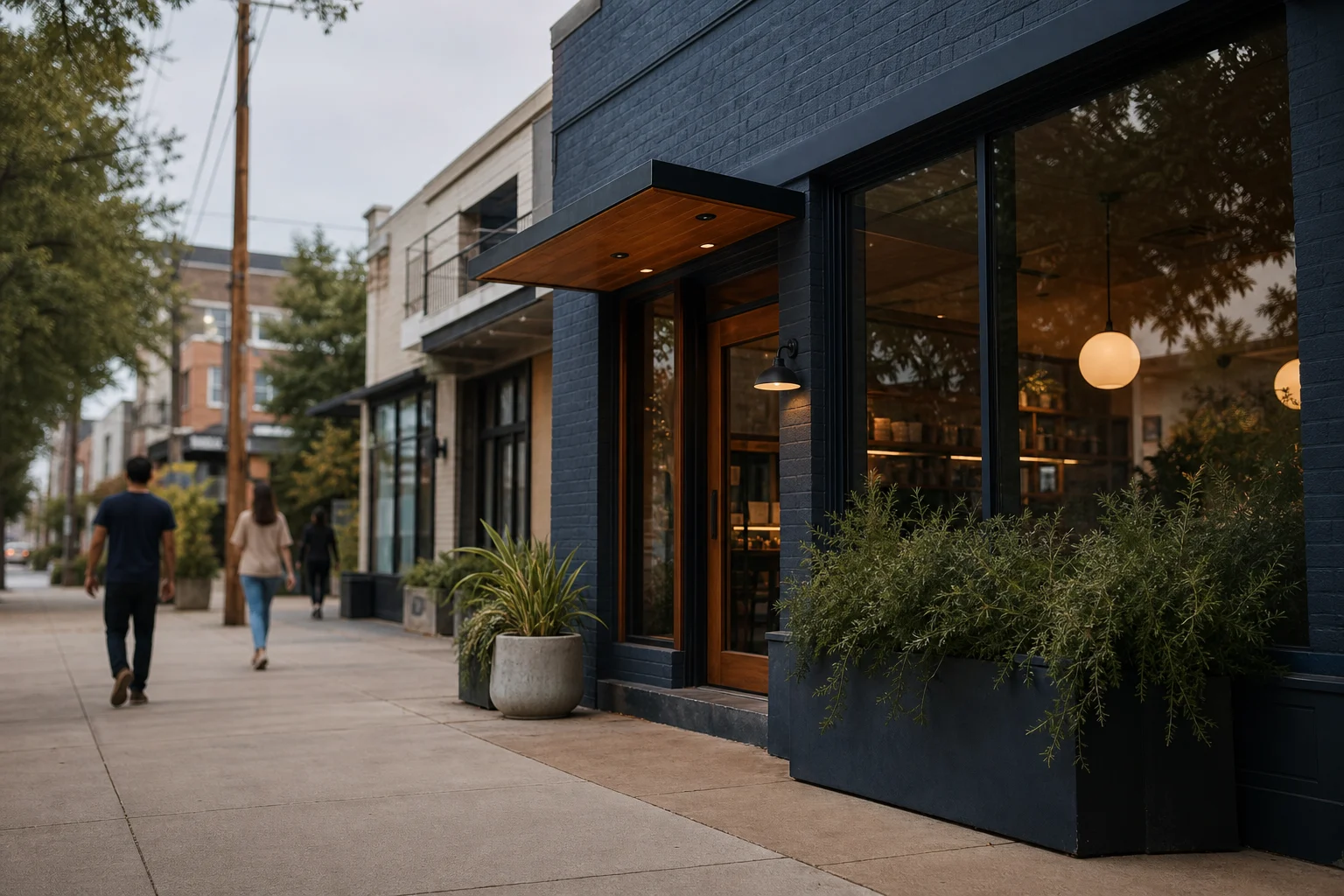
Main startup cost categories
Your ramen and pho shop startup costs will fall into several key categories. Rent represents your largest fixed expense, followed by buildout and equipment costs. Permits and licensing add another layer of expenses, while hiring and training staff requires significant investment. Opening inventory and cash reserves complete your startup cost stack. Each category demands careful consideration before committing capital to your Miami ramen and pho venture.
Rent and lease assumptions in Miami
Miami offers three promising neighborhoods for your ramen and pho shop, each with distinct characteristics. Locavisor neighborhood scoring identifies these top areas with their specific attributes:
MiMo / Upper Eastside (5.6/10) — MiMo's Biscayne Blvd corridor is the strongest bet among the five — strong walkability, solid office-worker lunch base, and zero direct ramen/pho competitors despite a lively F&B scene anchored by Miami Ironside and Büro MiMo. Expect roughly $45-70/sqft NNN. The evening daypart scores well, supporting the dual lunch+dinner peak ramen needs.
Hialeah (5.3/10) — Hialeah offers a dense residential base with strong transit access (Hialeah train station) and zero ramen/pho competitors — a genuine blue-ocean play. Expect roughly $45-70/sqft NNN. The trade-off: office density is moderate, not strong, so lunch traffic relies more on daytime population than corporate towers.
Doral (4.8/10) — Doral's Downtown Doral and CityPlace Doral anchors create a strong daytime population base, but the rent proxy is in the premium tier — expect roughly $65-95/sqft NNN, which squeezes medium-budget operators. No direct ramen/pho competitors exist, but the corridor is dominated by Latin American and fusion concepts (The Doral Yard, Sweet Paris Crêperie).
The rent level in these areas directly impacts your overall startup cost stack. MiMo and Hialeah offer similar rent ranges, while Doral commands a premium. Your lease terms will significantly affect your cash flow projections. Negotiating favorable lease conditions can reduce your financial pressure during the critical early months of operation.
Buildout, equipment, payroll, opening inventory, permits, and cash reserve
Buildout costs depend heavily on your chosen location's condition and your design vision. A raw space requires more investment than one with existing infrastructure. Equipment represents another major expense, with specialized ramen and pho preparation tools adding to your startup costs. Your kitchen layout must accommodate both cuisines' unique requirements.
Payroll expenses extend beyond your initial hiring. Training staff in authentic preparation techniques takes time and resources. Opening inventory requires careful planning to balance variety with cost efficiency. Permits and licensing add both time and expense to your startup process. Miami's regulatory environment requires specific compliance measures for food service operations.
Cash reserves often get underestimated in startup planning. Your reserve should cover at least six months of operating expenses beyond your initial investment. This buffer protects against unexpected delays, lower-than-expected revenue, and other unforeseen challenges. Many ramen and pho shops fail not because of poor concepts, but because they run out of cash before reaching profitability.

Lean vs moderate vs generous launch budgets
Your budget approach significantly impacts your startup cost stack. A lean budget minimizes initial investment but may limit your ability to create an exceptional customer experience. A moderate budget balances cost considerations with quality expectations. A generous budget allows for premium finishes, top-tier equipment, and comprehensive marketing support.
The rent level in your chosen neighborhood directly influences which budget approach makes sense. In Doral's premium rent environment, a lean budget might leave insufficient funds for quality buildout and equipment. In MiMo or Hialeah's mid-range rent environment, you have more flexibility to allocate resources across different cost categories.
What to validate before spending money
Before committing significant capital to your ramen and pho shop, validate several key assumptions. Your lease terms should reflect realistic occupancy projections and include favorable renewal options. Buildout scope must align with your concept's operational requirements while staying within budget parameters.
Equipment needs assessment should prioritize functionality over aesthetics. Your payroll model must account for Miami's labor market conditions and the specialized skills required for authentic ramen and pho preparation. Opening inventory levels should balance variety with freshness considerations.
Permit requirements demand thorough research to avoid unexpected delays and costs. Your cash reserve calculation should include realistic revenue projections and expense buffers. Local professional review from restaurant consultants with Miami experience can identify potential cost traps before they become problems.
FAQ
How much does it cost to open A Ramen and pho Shop in Miami?
The exact total cannot be estimated from the provided data. The cost to open a ramen and pho shop in Miami depends on numerous variables that require validation before spending money. Your specific rent costs will vary based on neighborhood choice and lease terms. Buildout expenses depend on your space's condition and design vision. Equipment needs vary based on quality requirements and scale. Payroll costs depend on staffing levels and Miami's labor market. Opening inventory requirements depend on menu complexity and supplier relationships. Permit costs depend on Miami's specific regulatory requirements. Your cash reserve should cover multiple months of operating expenses. Each of these variables requires careful validation before committing capital to your ramen and pho venture.
Last reviewed: 2026-05-08
Sources: U.S. Census Bureau ACS, LEHD LODES, Google Places, OpenStreetMap, Locavisor neighborhood scoring.
Methodology: Locavisor scores neighborhoods across demand, competition fit, rent fit, accessibility, and customer match. Scores reflect a snapshot of recent data and should be combined with on-the-ground research before lease decisions.
Disclaimer: This article provides informational content only and does not constitute legal, financial, accounting, or real-estate advice. Verify lease terms, licensing, local regulations, costs, and professional requirements with qualified local professionals before making business decisions.
Free preview shows top 3 neighborhoods. Full $9.99 report covers all 10 areas with personalized scoring + 90-day check-ins.
Informational only. Verify lease, licensing, local regulations, costs, and professional requirements with qualified local professionals.