New Orleans, LA · ramen and pho shop
Cost to open a ramen and pho shop in New Orleans
Opening a ramen and pho shop in New Orleans requires careful planning of startup costs across multiple categories. The cost to open a ramen and pho shop in New Orleans varies significantly based on location, scale, and approach. This article provides a qualitative overview of the key cost considerations for entrepreneurs planning to enter New Orleans' food service market with a ramen and pho concept.
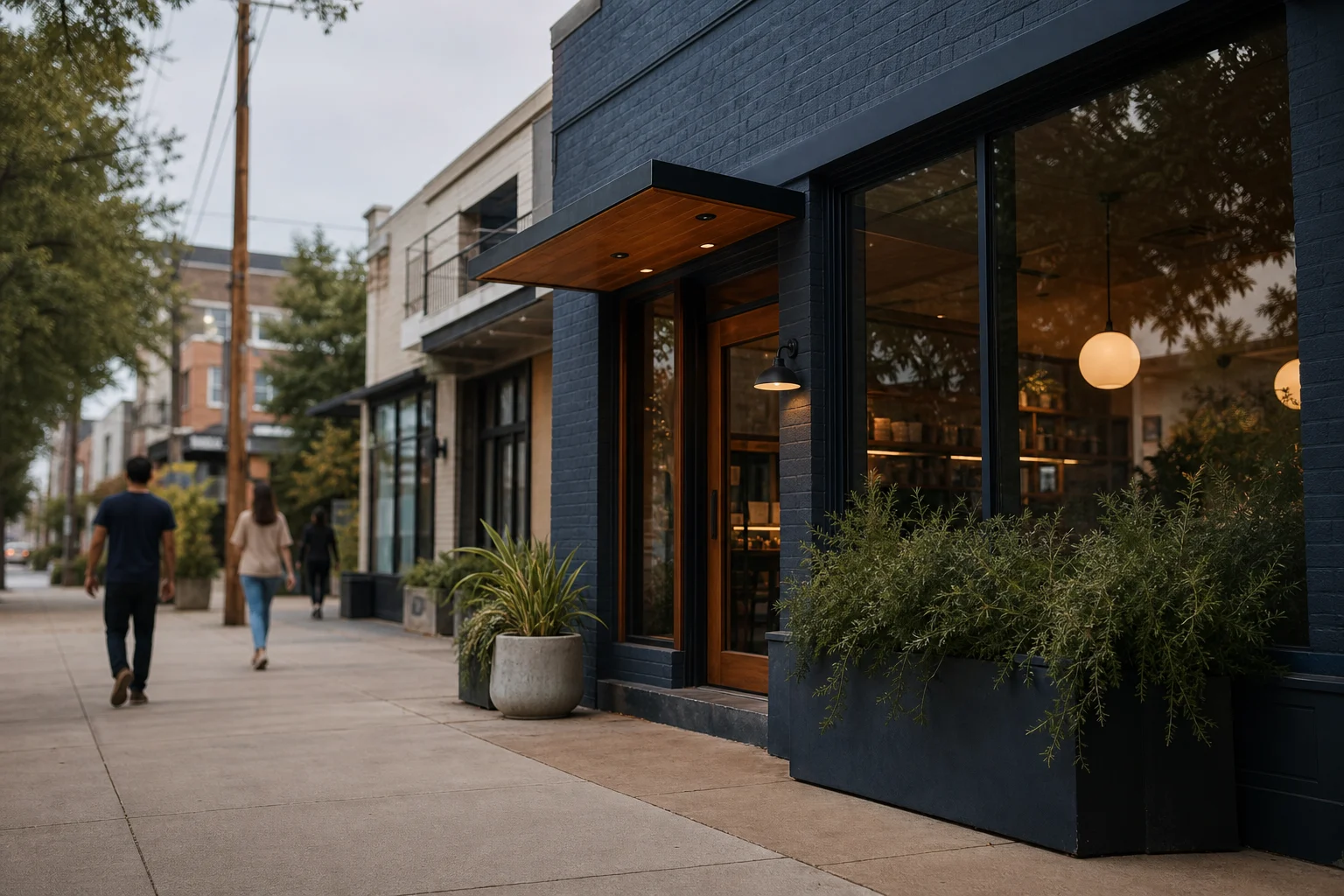
Main startup cost categories
Startup costs for a ramen and pho shop in New Orleans fall into several key categories. Each category presents unique challenges and opportunities that require careful consideration during the planning phase. The primary cost categories include rent and lease assumptions, buildout and equipment, payroll, opening inventory, permits and licensing, and cash reserves.
Understanding these categories helps entrepreneurs develop a realistic budget framework. Unlike traditional cost estimation articles, this guide focuses on qualitative aspects and validation priorities rather than specific dollar amounts. The goal is to help founders identify what needs verification before committing significant capital.
Rent and lease assumptions in New Orleans
Location selection significantly impacts the cost structure of a ramen and pho shop in New Orleans. Locavisor neighborhood scoring identifies three top areas for this concept:
CBD / Warehouse District (4.4/10) — CBD / Warehouse District is the highest-ranked area for a ramen/pho concept in New Orleans — zero direct competitors, strong lunch-daytime density from office workers and convention traffic, and excellent walkability. The catch: rent is near-trophy level ($90-140/sqft NNN), which will pressure unit economics hard for a medium-budget operator.
Magazine Street (4.3/10) — Magazine Street is New Orleans' premier indie F&B corridor — 6 miles of continuous retail, strong walkability, and a proven evening crowd. Rent is premium ($65-95/sqft NNN) but below CBD levels. No ramen/pho competitors exist on the strip, but the corridor's existing operators (Streetcar Cafe at 4.6★/2,076 reviews, Cafe Beignet at 4.5★/10,250 reviews) show the bar for quality is high.
French Quarter (4.3/10) — The French Quarter delivers the highest foot traffic in New Orleans — tourist-heavy, maxed-out walkability, and iconic anchors like Cafe Du Monde (4.5★/45,230 reviews) and Jackson Square. Rent is premium ($65-95/sqft NNN). The challenge: this is a tourist-first corridor, not a local-repeat corridor. Ramen/pho needs regulars to smooth weekday troughs, and the Quarter's residential base is thin.
The rent levels in these areas create significant cost pressure for ramen and pho operators. The CBD/Warehouse District commands near-trophy rents that challenge unit economics, while Magazine Street and the French Quarter offer premium rents with different market characteristics. Each location presents unique advantages and challenges that must be carefully evaluated against your business model and budget constraints.
Buildout, equipment, payroll, opening inventory, permits, and cash reserve
Beyond rent, several other cost categories require careful consideration. Buildout costs depend heavily on the condition of the selected space and the desired aesthetic. A ramen and pho shop requires specialized kitchen equipment including noodle boilers, broth preparation stations, and proper ventilation systems. These equipment needs often exceed standard restaurant requirements.
Payroll represents another significant cost category. New Orleans' service industry wages must be competitive to attract skilled kitchen staff. The market temperature is weak, which may provide some leverage in hiring, but competition density remains medium. Consider staffing needs for both front and back of house, including potential for specialized ramen or pho chefs.
Opening inventory requires substantial capital for ingredients specific to ramen and pho preparation. This includes specialized broths, noodles, proteins, and fresh herbs. Permits and licensing costs vary based on location and scope, but New Orleans has specific requirements for food service establishments that must be budgeted accordingly.
Cash reserves are critical for covering operating expenses during the ramp-up period. The weak market temperature suggests a potentially longer ramp-up time, requiring adequate cash reserves to sustain operations until reaching steady state.

Lean vs moderate vs generous launch budgets
Entrepreneurs approach ramen and pho shop launches with varying budget philosophies. A lean launch minimizes upfront costs by focusing on essential equipment and modest buildout. This approach reduces initial capital requirements but may limit operational flexibility and aesthetic appeal.
A moderate launch balances cost considerations with operational needs. This approach typically includes quality equipment, functional buildout, and adequate staffing. The moderate approach offers more flexibility in menu development and service quality while maintaining reasonable cost controls.
A generous launch prioritizes premium equipment, extensive buildout, and robust staffing. This approach maximizes operational capabilities and aesthetic appeal but requires significantly more capital. The generous approach may be particularly relevant in premium locations like the CBD/Warehouse District where higher rent levels justify higher investment in the customer experience.
Each budget approach presents trade-offs between initial investment and operational flexibility. The optimal approach depends on your specific business model, target market, and risk tolerance.
What to validate before spending money
Before committing significant capital to a ramen and pho shop launch, several key assumptions require validation. Lease assumptions must be thoroughly vetted, including not just rent but also common area maintenance fees, property taxes, and lease terms. The high rent levels in top locations create substantial cost pressure that must be carefully modeled.
Buildout scope validation involves assessing the actual condition of the selected space and determining the true cost of bringing it to operational standards. Equipment list validation requires confirming that selected equipment meets both operational needs and local health code requirements.
Payroll model validation includes researching actual wage rates in New Orleans and determining appropriate staffing levels for your specific concept. Opening inventory validation involves assessing actual ingredient costs and supplier relationships to ensure adequate supply at competitive pricing.
Cash reserve validation requires developing a realistic operating expense model to determine adequate funding for the ramp-up period. Finally, local professional review is essential. Engage local attorneys, accountants, and restaurant consultants with New Orleans experience to review your plans before significant investment.
FAQ
How much does it cost to open A Ramen and pho Shop in New Orleans?
The exact total startup cost cannot be estimated from the provided data. Multiple variables require validation before determining a realistic budget. Key variables include lease terms and location within the top three areas (CBD/Warehouse District, Magazine Street, or French Quarter), buildout scope and condition of selected space, equipment needs and quality level, staffing model and wage rates, opening inventory requirements, permit and licensing costs, and adequate cash reserves for the ramp-up period. Each of these factors significantly impacts the total startup investment required for a ramen and pho shop in New Orleans.
Last reviewed: 2026-05-08
Sources: U.S. Census Bureau ACS, LEHD LODES, Google Places, OpenStreetMap, Locavisor neighborhood scoring.
Methodology: Locavisor scores neighborhoods across demand, competition fit, rent fit, accessibility, and customer match. Scores reflect a snapshot of recent data and should be combined with on-the-ground research before lease decisions.
Disclaimer: This article provides informational content only and does not constitute legal, financial, accounting, or real-estate advice. Verify lease terms, licensing, local regulations, costs, and professional requirements with qualified local professionals before making business decisions.
Free preview shows top 3 neighborhoods. Full $9.99 report covers all 10 areas with personalized scoring + 90-day check-ins.
Informational only. Verify lease, licensing, local regulations, costs, and professional requirements with qualified local professionals.