Phoenix, AZ · ramen and pho shop
Cost to open a ramen and pho shop in Phoenix
Opening a ramen and pho shop in Phoenix presents unique cost considerations shaped by the city's commercial real estate market, local competition, and operational requirements. The cost structure differs significantly from other food concepts due to specialized equipment needs, labor models, and the specific demands of Phoenix's dining culture. Understanding these cost drivers is essential before committing capital to a new venture.
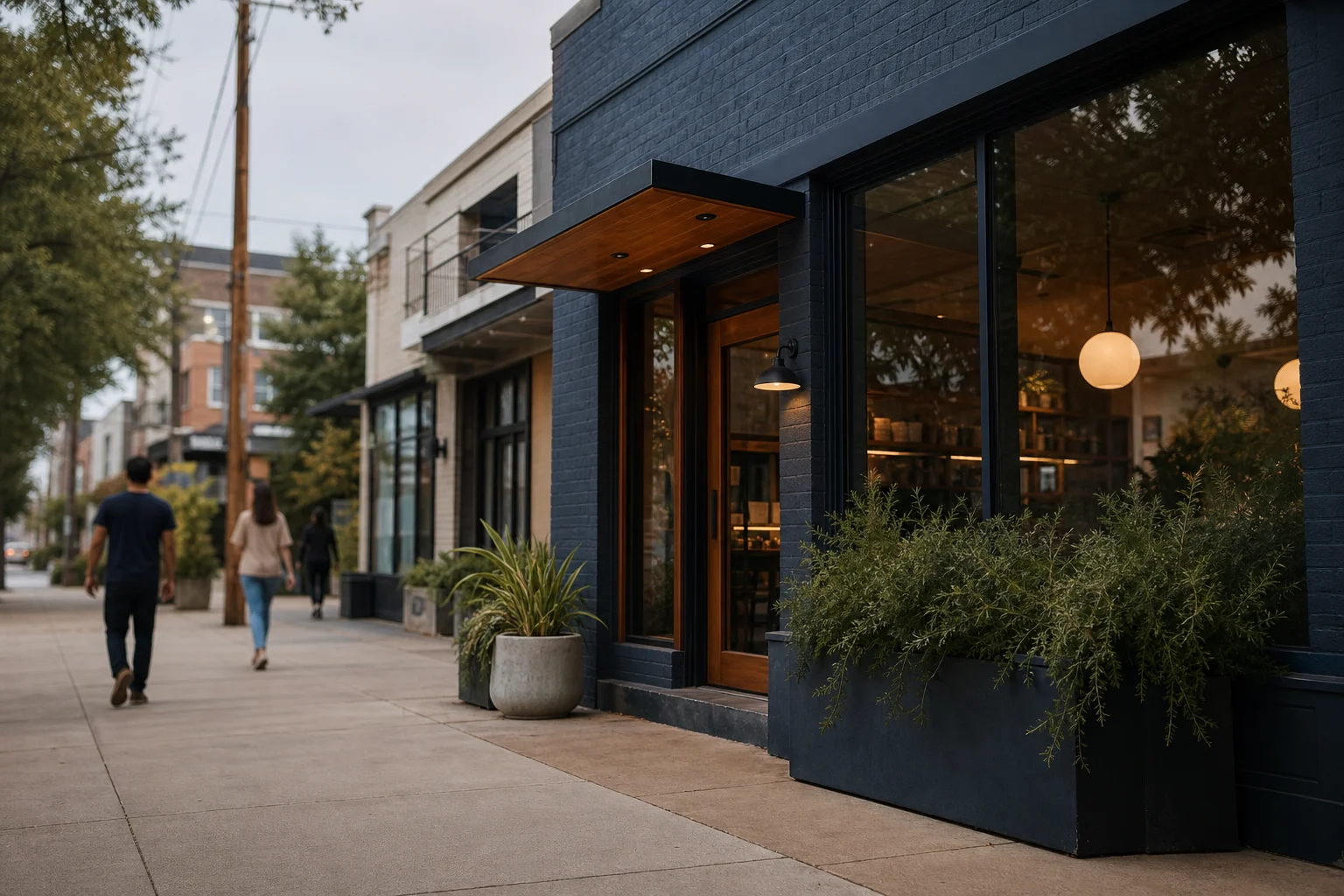
What does it cost to open a ramen and pho shop in Phoenix?
The total startup costs for a ramen and pho shop in Phoenix vary widely based on location, size, and concept, but the primary cost pressures stem from commercial real estate, specialized equipment, and labor. Phoenix's commercial real estate market shows significant variation across neighborhoods, with rent bands ranging from $26-$65/sqft/yr NNN in areas like Tempe/ASU campus and Roosevelt Row to $48/sqft/yr NNN in the Camelback Corridor. These rent differences directly impact lease deposits, buildout costs, and ongoing operational expenses. The specialized nature of ramen and pho preparation requires equipment and labor models that differ from standard restaurant operations, adding complexity to cost projections. Phoenix's competitive dining scene means operators must invest in quality that justifies potentially higher price points while maintaining customer value perceptions.
Major cost categories
Lease deposit and first/last month
Securing a suitable location in Phoenix requires careful consideration of lease terms and deposit requirements. Most commercial leases in Phoenix require first and last month's rent plus a security deposit, typically equivalent to one to three months' rent. The Tempe/ASU campus area offers rent bands of $26-$65/sqft/yr NNN, while the Camelback Corridor shows a higher rent band of $48/sqft/yr NNN. These variations significantly impact the upfront capital needed for lease-related costs. Additionally, Phoenix's commercial real estate market often includes negotiation opportunities for lease incentives, particularly in competitive neighborhoods like Roosevelt Row. Landlords in student-heavy areas may offer favorable terms to attract restaurant concepts that serve the academic community.
Tenant improvements and buildout
Buildout costs for a ramen and pho shop in Phoenix depend on the condition of the space and the complexity of the kitchen design. Phoenix's commercial spaces often require substantial tenant improvements to accommodate specialized ramen and pho preparation areas, including noodle stations, broth simmering systems, and proper ventilation. The condition of the base building and local building codes will heavily influence these costs. Downtown Phoenix locations may present older buildings requiring more extensive renovations compared to newer developments in areas like the Camelback Corridor. Ramen and pho preparation requires specific infrastructure that standard restaurant spaces may not accommodate, including specialized drainage for broth systems and adequate ventilation for intensive cooking processes.
Equipment and furniture
Ramen and pho shops require specialized equipment not typically found in standard restaurant setups. This includes large broth simmering pots, noodle cooking stations, specialized steamers, and temperature-controlled storage for fresh ingredients. The equipment needs differ significantly from other restaurant concepts and represent a major cost component in Phoenix's market. High-quality, durable equipment is essential for maintaining the authentic preparation methods that customers expect from ramen and pho establishments. Phoenix's restaurant supply market offers various options, but operators should prioritize equipment that can withstand the intensive use patterns of ramen and pho preparation while maintaining consistent quality.
Licenses, permits, and insurance
Obtaining the necessary licenses and permits in Phoenix involves multiple city and state agencies. Restaurant operators must secure food service permits, health department approvals, and potentially specialized permits for ramen and pho preparation methods. Insurance requirements in Arizona include general liability, property insurance, and workers' compensation, with costs varying based on location and coverage levels. The Phoenix health department has specific requirements for food preparation that may impact equipment and process design. Operators should budget additional time for permit acquisition, as Phoenix's regulatory environment may have specific requirements for Asian cuisine preparation that differ from standard restaurant guidelines.
Initial inventory or supplies
Starting inventory for a ramen and pho shop includes specialized ingredients like fresh noodles, high-quality broths, and authentic Asian spices. These items often require sourcing from specialized distributors, adding complexity to initial purchasing decisions. The inventory needs differ significantly from other restaurant concepts due to the specific cultural requirements of ramen and pho. Phoenix's distribution network for Asian ingredients has expanded in recent years, but may still require working with multiple suppliers to source all necessary components. Fresh noodle suppliers and authentic broth ingredients may not be readily available through standard restaurant distributors, requiring additional research and potentially higher costs.
Pre-opening payroll and training
Hiring and training staff for a ramen and pho shop requires specialized knowledge of these cuisine types. Phoenix's labor market presents both opportunities and challenges, with competition for skilled kitchen staff affecting wage expectations. Training programs must cover both food preparation techniques and customer service standards specific to ramen and pho dining experiences. The city's diverse population provides a pool of potential employees with cultural familiarity, but may require competitive compensation packages. Ramen and pho preparation skills are not widely available in the general labor market, meaning operators may need to invest in comprehensive training programs or seek candidates with specific cultural backgrounds and experience.
Working capital reserve
Maintaining adequate working capital is crucial for new ramen and pho shops in Phoenix, as these concepts often experience longer break-in periods than other restaurant types. A reserve covering a variable local timeline of operating expenses provides a buffer against slow initial sales and unexpected costs. Phoenix's seasonal dining patterns, including summer heat impacts on foot traffic, may affect cash flow timing and require additional reserve planning. The city's tourism market can provide significant revenue during peak seasons but may experience downturns during extreme weather periods, making flexible staffing and inventory management essential.
How Phoenix compares to other AZ markets
Phoenix's commercial real estate market differs significantly from other Arizona cities, with rent bands generally higher than in smaller markets but competitive with Tucson. The concentration of universities and downtown development in Phoenix creates unique opportunities for ramen and pho shops targeting student and professional populations. However, the competitive landscape in Phoenix requires careful differentiation strategies. Smaller Arizona cities may offer lower rent but reduced customer density, while Phoenix provides scale but increased competition. Tucson's university presence creates similar opportunities but with different demographic profiles and competitive landscapes.
What competition looks like in the top areas
Phoenix's ramen and pho market features several established players that new entrants must consider. In Roosevelt Row, SoSoBa Phoenix (4.2 stars, 1356 reviews) and Omoide Sushi & Noodle (4.1 stars, 591 reviews) represent existing competition. Downtown Phoenix hosts Ramen Kagawa (4.3 stars, 647 reviews), demonstrating the viability of this concept in central business districts. These competitors show customer expectations for quality and value in Phoenix's ramen and pho market. Customer reviews highlight the importance of portion sizes, wait times, and overall value perception in this market segment. SoSoBa Phoenix and Omoide Sushi & Noodle have established strong reputations in Roosevelt Row, while Ramen Kagawa serves the downtown professional crowd with a focus on quality and consistency.
Common cost overrun patterns
Several cost areas frequently exceed initial budgets for ramen and pho shops in Phoenix. Buildout costs often run higher than projected due to specialized kitchen requirements. Equipment purchases for ramen and pho preparation can exceed estimates, particularly when sourcing high-quality, durable systems. Labor costs may increase due to the specialized skills required for authentic preparation methods. Additionally, inventory costs can be higher than anticipated for sourcing authentic ingredients. Phoenix's regulatory environment may also present unexpected compliance costs that new operators should anticipate. The intensive nature of ramen and pho preparation means equipment may experience higher wear and tear, requiring more frequent maintenance or replacement than standard restaurant equipment.
How to validate your number before committing capital
Validating cost assumptions requires thorough research and professional consultation. Obtain multiple commercial real estate quotes for target neighborhoods, including Tempe/ASU campus ($26-$65/sqft/yr NNN), Roosevelt Row ($26-$65/sqft/yr NNN), and Camelback Corridor ($48/sqft/yr NNN). Consult with equipment suppliers specializing in Asian cuisine to get accurate pricing for ramen and pho-specific systems. Engage local contractors experienced in restaurant buildouts to verify construction cost estimates. Review competitor operations to understand realistic labor and inventory requirements. The following table compares key factors across Phoenix's top neighborhoods for ramen and pho shops:
| Neighborhood | Locavisor Score | Rent Band | Key Anchors | Competition |
|---|---|---|---|---|
| Tempe/ASU Campus | 7.0/10 | $26-$65/sqft/yr NNN | ASU, shopping centers | Limited direct competition |
| Roosevelt Row | 6.8/10 | $26-$65/sqft/yr NNN | Arts district, transit | SoSoBa Phoenix, Omoide Sushi |
| Camelback Corridor | 6.2/10 | $48/sqft/yr NNN | Luxury shopping, offices | Limited direct competition |
| Downtown Phoenix | 6.1/10 | $26-$65/sqft/yr NNN | Business district, transit | Ramen Kagawa |
| Old Town Scottsdale | 6.0/10 | $26-$65/sqft/yr NNN | Tourist area, medical campus | Limited direct competition |
Phoenix operators should conduct thorough market research in their target neighborhoods, visiting competitor locations during different times of day and week to understand traffic patterns and customer demographics. Engaging with local restaurant associations and attending industry events can provide valuable insights into operational costs and market dynamics specific to the Phoenix area.

FAQ
What are the best neighborhoods for a ramen and pho shop in Phoenix?
Based on Locavisor scoring, the top neighborhoods for a ramen and pho shop in Phoenix are Tempe/ASU campus (7.0/10), Roosevelt Row (6.8/10), and Camelback Corridor (6.2/10). These areas offer strong foot traffic, diverse customer bases, and appropriate rent structures for restaurant operations. Tempe/ASU campus benefits from student and faculty traffic, while Roosevelt Row attracts arts and culture enthusiasts. The Camelback Corridor provides access to higher-income demographics but at a higher rent cost.
How does Phoenix's ramen and pho market differ from other cities?
Phoenix's market features strong competition from established players like SoSoBa Phoenix and Ramen Kagawa, with customers expecting authentic preparation and fair value. The city's diverse population and university presence create demand for authentic Asian cuisine, but also require careful positioning against existing options. Customer reviews highlight the importance of portion sizes and perceived value in this market, with some operators noting that generous portions contribute to positive customer perceptions despite potentially higher price points.
What specialized equipment is needed for a ramen and pho shop?
Ramen and pho shops require specialized equipment including large broth simmering systems, noodle cooking stations, specialized steamers, and temperature-controlled storage for fresh ingredients. These differ significantly from standard restaurant equipment and represent a major cost component. Proper ventilation systems are particularly important for ramen shops due to the intensive broth preparation process. Pho preparation requires specialized equipment for maintaining consistent broth quality and temperature control, which may not be standard in conventional restaurant kitchens.
Last reviewed: 2026-05-30
Sources: U.S. Census Bureau ACS, LEHD LODES, Google Places, OpenStreetMap, Locavisor neighborhood scoring.
Methodology: Locavisor scores neighborhoods across demand, competition fit, rent fit, accessibility, and customer match. Scores reflect a snapshot of recent data and should be combined with on-the-ground research before lease decisions.
Disclaimer: This article provides informational content only and does not constitute legal, financial, accounting, or real-estate advice. Verify lease terms, licensing, local regulations, costs, and professional requirements with qualified local professionals before making business decisions.
Free preview shows top 3 neighborhoods. Full $9.99 report covers all 10 areas with personalized scoring + 90-day check-ins.
Informational only. Verify lease, licensing, local regulations, costs, and professional requirements with qualified local professionals.