Portland, OR · ramen and pho shop
Cost to open a ramen and pho shop in Portland
Portland's food scene has exploded in recent years, with ramen and pho shops becoming increasingly popular among locals and visitors alike. The city's diverse population and food culture make it an attractive market for entrepreneurs looking to open a ramen and pho shop. However, like any business venture, opening a restaurant in Portland comes with significant costs that need careful consideration. The cost to open a ramen and pho shop in Portland depends on several factors, including location, size, buildout, equipment, and licensing requirements.
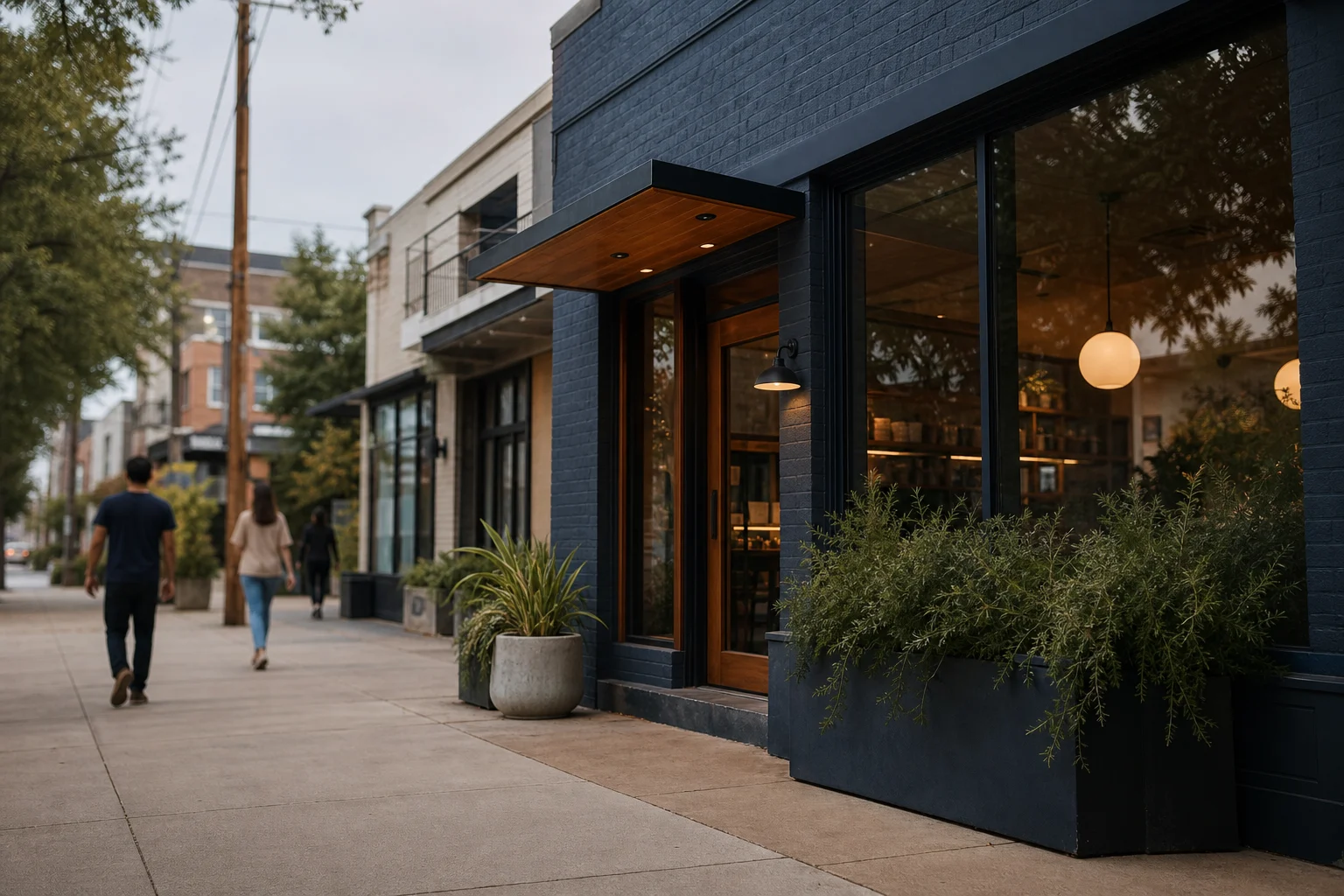
What does it cost to open a ramen and pho shop in Portland?
Major cost categories
Lease deposit and first/last month
Securing a prime location in Portland is one of the biggest upfront costs for any restaurant. The top neighborhoods for ramen and pho shops in Portland, according to Locavisor research, include Downtown (score 5.9/10, rent band $42/sqft/yr NNN), Goose Hollow (score 5.9/10, rent band $25-$42/sqft/yr NNN), St. Johns (score 5.6/10, rent band $25-$42/sqft/yr NNN), OHSU/South Waterfront (score 5.6/10, rent band $25-$42/sqft/yr NNN), and Hollywood District (score 5.5/10, rent band $25-$42/sqft/yr NNN). These neighborhoods offer different advantages, from high foot traffic to proximity to universities and office buildings.
When negotiating a lease, you'll typically need to provide a security deposit plus the first and last month's rent. In competitive Portland markets, you may also face higher security deposit requirements or shorter lease terms initially. The rent bands mentioned above represent the range you can expect to pay, with Downtown commanding the highest rates at $42/sqft/yr NNN.
Tenant improvements and buildout
Once you've secured a location, you'll need to consider the cost of tenant improvements and buildout. This includes everything from plumbing and electrical work to installing a kitchen, dining area, and restrooms. The condition of the space you lease will significantly impact these costs. Older buildings may require more extensive renovations to meet health and safety codes, while newer spaces might only need cosmetic updates.
In Portland, building codes and permitting processes can add to your timeline and budget. You'll need to work with contractors who are familiar with local regulations and can navigate the permitting process efficiently. The quality of materials you choose for your buildout will also affect costs, with higher-end finishes commanding premium prices.
Equipment and furniture
Equipping your ramen and pho shop with the necessary kitchen equipment, dining furniture, and point-of-sale systems represents another major cost category. For a ramen and pho shop, you'll need specialized equipment like large stockpots, noodle-making machines (if you're making your own noodles), steamers, and specialized cooking stations. The dining area will require tables, chairs, and potentially a counter for ordering.
Quality equipment that can withstand the demands of a busy restaurant kitchen is essential, but it comes at a cost. You'll need to balance your budget with the durability and efficiency of the equipment you choose. Consider both new and used options, as well as leasing versus purchasing, to manage your upfront costs.
Licenses, permits, and insurance
Before opening your ramen and pho shop in Portland, you'll need to obtain various licenses and permits from city and state agencies. This includes a business license, food service license, health department permits, and potentially liquor licenses if you plan to serve alcohol. The cost of these permits can vary, and you should budget accordingly.
Insurance is another essential cost that shouldn't be overlooked. You'll need general liability insurance, property insurance, and workers' compensation insurance. The specific requirements and costs will depend on your business structure, number of employees, and the value of your equipment and inventory.
Initial inventory or supplies
Stocking your ramen and pho shop with initial inventory is another significant upfront cost. This includes ingredients for your menu items, kitchen supplies, cleaning products, and front-of-house supplies. For a ramen and pho shop, you'll need to source high-quality ingredients like noodles, broths, meats, and vegetables.
Building relationships with local suppliers can help manage costs and ensure a consistent supply of fresh ingredients. Consider the shelf life of your inventory and plan your orders accordingly to minimize waste.
Pre-opening payroll and training
Hiring and training staff before opening your doors is another cost to consider. You'll need to budget for salaries or wages for your team during the pre-opening period, as well as training costs. This includes not only kitchen staff but also front-of-house employees who will be interacting with customers.
Investing in thorough training is crucial for ensuring a smooth opening and maintaining quality standards. While this is a significant upfront cost, it can pay off in the long run by reducing turnover and ensuring customer satisfaction.
Working capital reserve
Finally, it's essential to have a working capital reserve to cover operating expenses during the initial months of business. Many restaurants don't become profitable immediately, so having a reserve of a variable local timeline of operating costs is recommended. This reserve will help you cover rent, payroll, utilities, and other expenses while you build your customer base.
How Portland compares to other OR markets
Portland's restaurant startup costs are generally higher than in other Oregon markets due to its larger population, higher real estate prices, and competitive food scene. However, the city also offers a larger customer base and higher average spending per customer, which can offset these higher costs for successful businesses.
When comparing Portland to other Oregon cities, consider factors like rent differentials, labor costs, and customer demographics. Smaller cities may have lower rent but also smaller customer bases, while larger cities like Portland offer more opportunities but come with higher costs.
What competition looks like in the top areas
The top neighborhoods for ramen and pho shops in Portland already have established competition, which you'll need to consider when planning your business. In Downtown Portland, you'll find several competitors including Ramen Ryoma (4.7 stars, 859 reviews, $$), Kizuki Ramen & Izakaya (4.6 stars, 496 reviews, $$), The House of Ramen PDX (4.4 stars, 819 reviews, $$$), Aiko Ramen (4 stars, 63 reviews), and Ramen Ciro SW3rd Av. (4.5 stars, 32 reviews).
In the Hollywood District, The Bulgogi + Dukuhbee Noodle (4.5 stars, 614 reviews, $$$) offers a different take on Asian noodle dishes. These established businesses have built customer loyalty and understand the local market, so you'll need to differentiate your offering to compete effectively.
| Neighborhood | Score | Rent Band | Key Competitors | Customer Profile |
|---|---|---|---|---|
| Downtown | 5.9/10 | $42/sqft/yr NNN | Ramen Ryoma, Kizuki Ramen & Izakaya, The House of Ramen PDX | Office workers, tourists, students |
| Goose Hollow | 5.9/10 | $25-$42/sqft/yr NNN | Limited data | Residents, office workers |
| St. Johns | 5.6/10 | $25-$42/sqft/yr NNN | Limited data | Local residents, families |
| OHSU/South Waterfront | 5.6/10 | $25-$42/sqft/yr NNN | Limited data | Students, healthcare workers |
| Hollywood District | 5.5/10 | $25-$42/sqft/yr NNN | The Bulgogi + Dukuhbee Noodle | Families, shoppers, locals |
Common cost overrun patterns
When opening a ramen and pho shop in Portland, several common cost overruns can impact your budget. One of the most significant is underestimating buildout costs, especially in older buildings that may require unexpected repairs or upgrades to meet code requirements.
Another common issue is equipment costs exceeding budget. It's easy to underestimate the quality and quantity of equipment needed for a restaurant kitchen, and premium equipment can quickly add up. Consider getting multiple quotes and exploring both new and used options to manage these costs.
Permitting delays are another frequent problem in Portland, where the permitting process can be complex and time-consuming. Building in extra time and budget for potential delays can help prevent cost overruns and keep your opening on schedule.
How to validate your number before committing capital
Before committing significant capital to your ramen and pho shop, it's essential to validate your cost assumptions. Start by researching comparable properties in your target neighborhood to get a realistic sense of rent and lease terms. Visit potential locations and assess their condition to estimate buildout costs accurately.
Talk to equipment suppliers and contractors to get quotes for the necessary purchases and renovations. Consult with other restaurant owners in Portland to understand common pitfalls and cost-saving strategies. Consider working with a business advisor or consultant who has experience in the Portland restaurant market.
Creating a detailed budget that accounts for all potential costs, including contingencies for unexpected expenses, will help you validate your numbers and make informed decisions about your investment.

FAQ
Q: What are the most expensive neighborhoods to open a ramen and pho shop in Portland?
A: According to Locavisor research, Downtown Portland has the highest rent band at $42/sqft/yr NNN, making it the most expensive neighborhood for restaurant space. Other high-cost areas include Goose Hollow, St. Johns, OHSU/South Waterfront, and the Hollywood District, all with rent bands ranging from $25-$42/sqft/yr NNN.
Q: How does Portland's restaurant startup costs compare to other West Coast cities?
A: Portland's restaurant startup costs are generally lower than major West Coast cities like San Francisco and Seattle but higher than smaller Oregon cities. The city offers a balance of competitive real estate prices and a large, food-savvy customer base.
Q: What are the biggest cost differences between opening a ramen shop versus a pho shop in Portland?
A: The primary cost differences between ramen and pho shops in Portland relate to specialized equipment and ingredient sourcing. Ramen shops may require noodle-making equipment, while pho shops need large stockpots for broth preparation. Ingredient costs can also vary based on the complexity of your menu and sourcing requirements.
Last reviewed: 2026-05-30
Sources: U.S. Census Bureau ACS, LEHD LODES, Google Places, OpenStreetMap, Locavisor neighborhood scoring.
Methodology: Locavisor scores neighborhoods across demand, competition fit, rent fit, accessibility, and customer match. Scores reflect a snapshot of recent data and should be combined with on-the-ground research before lease decisions.
Disclaimer: This article provides informational content only and does not constitute legal, financial, accounting, or real-estate advice. Verify lease terms, licensing, local regulations, costs, and professional requirements with qualified local professionals before making business decisions.
Free preview shows top 3 neighborhoods. Full $9.99 report covers all 10 areas with personalized scoring + 90-day check-ins.
Informational only. Verify lease, licensing, local regulations, costs, and professional requirements with qualified local professionals.