San Antonio, TX · ramen and pho shop
Cost to open a ramen and pho shop in San Antonio
San Antonio's food scene presents unique opportunities for ramen and pho entrepreneurs. The city's diverse population and growing downtown area create demand for authentic Asian cuisine. However, startup costs vary significantly by neighborhood, with rent being the single largest expense for most operators. Understanding the local market dynamics and cost pressures is essential before committing capital to a new venture.
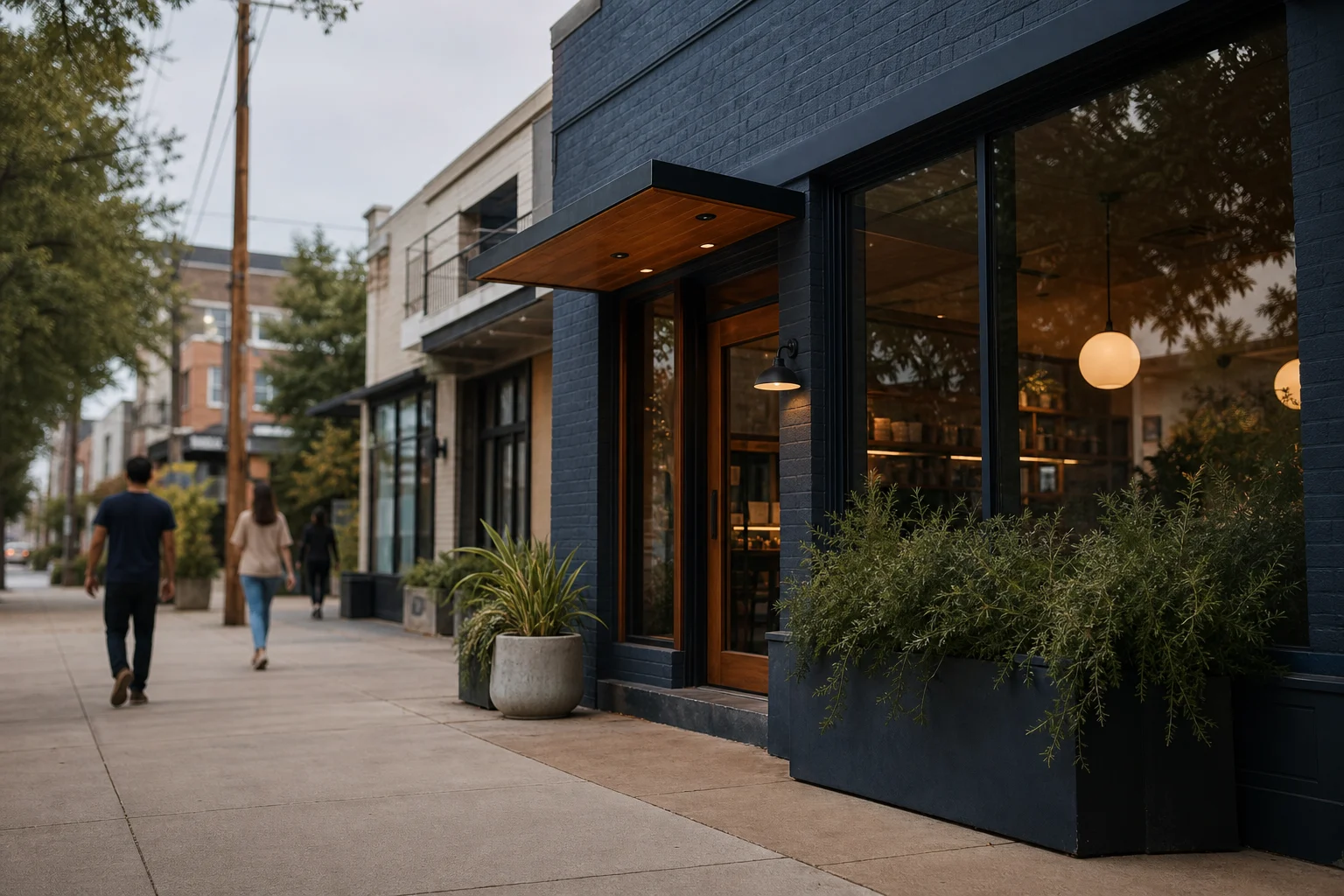
What does it cost to open a ramen and pho shop in San Antonio?
The cost to open a ramen and pho shop in San Antonio depends heavily on location, size, and operational scale. While exact figures aren't publicly standardized, we can break down the major cost categories that will impact your budget. San Antonio's neighborhoods offer different rent structures, customer demographics, and competition levels that directly influence startup expenses.
Major cost categories
Lease deposit and first/last month
Tenant improvements and buildout
Tenant improvements (TI) and buildout costs depend on the condition of the space and your design requirements. In San Antonio, you'll need to budget for kitchen equipment installation, dining area setup, and compliance with local health codes. The extent of renovations needed will vary based on whether you're taking a raw space or an existing restaurant location.
Equipment and furniture
Restaurant equipment represents a substantial upfront investment. For a ramen and pho shop, you'll need specialized cooking equipment, refrigeration, POS systems, and dining furniture. The quality and quantity of equipment will affect both your initial costs and long-term operational efficiency.
Licenses, permits, and insurance
Obtaining the necessary licenses and permits in San Antonio requires working with multiple city and state agencies. You'll need food service permits, health department approvals, and potentially alcohol permits depending on your menu. Insurance costs vary based on coverage levels and location.
Initial inventory or supplies
Your initial inventory of ingredients, packaging, and supplies will require several thousand dollars in working capital. For a ramen and pho shop, this includes noodles, broths, proteins, vegetables, and specialty items that may need to be sourced from specific suppliers.
Pre-opening payroll and training
Hiring and training staff before opening requires budgeting for several weeks of payroll without revenue. This includes kitchen staff, front-of-house employees, and management.
Working capital reserve
A working capital reserve of a variable local timeline of operating expenses is recommended to cover unexpected costs and revenue fluctuations during the critical early months.
How San Antonio compares to other TX markets
San Antonio's restaurant startup costs differ from other Texas markets like Austin or Dallas. Generally, San Antonio offers more affordable rent options, particularly outside the downtown core. However, customer spending patterns and competition levels vary, affecting revenue potential and marketing costs.
What competition looks like in the top areas
San Antonio's top neighborhoods for ramen and pho shops present different competitive landscapes:
UTSA Main Campus area (score 6.9/10): This area benefits from student traffic and proximity to major retail centers like The Plaza at UTSA and The Shops at La Cantera. Competition is moderate, with opportunities to capture the college demographic.
West Side / Westside (score 6.3/10): Home to existing operators like Ginza Ramen and Poke (4.4 stars, 729 reviews) and Thai Lao and Pho (4.2 stars, 215 reviews), this neighborhood has established customer bases but also existing competition to consider.
Downtown San Antonio (score 6.1/10): Higher rent at $40/sqft/yr NNN is offset by tourist traffic and business clientele. The area features malls like Shops at Rivercenter and River Center, creating foot traffic opportunities.
Quarry Market (score 5.9/10) and Alamo Heights (score 5.9/10): Both areas share similar rent bands of $22-$48/sqft/yr NNN and feature the Alamo Quarry Market as a key anchor, though with different demographic profiles.
Here's a comparison of San Antonio's top neighborhoods for your ramen and pho shop:
| Neighborhood | Score | Rent Band | Key Anchors | Competition Level |
|---|---|---|---|---|
| UTSA Main Campus area | 6.9/10 | $22-$48/sqft/yr NNN | The Plaza at UTSA, The Shops at La Cantera | Moderate |
| West Side / Westside | 6.3/10 | $22-$48/sqft/yr NNN | Westwood Shopping center, Northwest Vista College | Established (Ginza Ramen and Poke, Thai Lao and Pho) |
| Downtown San Antonio | 6.1/10 | $40/sqft/yr NNN | Shops at Rivercenter, River Center | Moderate to High |
| Quarry Market | 5.9/10 | $22-$48/sqft/yr NNN | Alamo Quarry Market | Moderate |
| Alamo Heights | 5.9/10 | $22-$48/sqft/yr NNN | Alamo Quarry Market, University of the Incarnate Word | Low to Moderate |
Common cost overrun patterns
Many ramen and pho shop startups in San Antonio encounter unexpected costs during their first year. Common overruns include:
- Underestimating buildout costs, especially when dealing with older buildings
- Equipment repairs or replacements not covered by warranties
- Higher-than-expected utility costs, particularly for water and gas in restaurant operations
- Inventory spoilage during the learning curve period
- Marketing expenses exceeding initial budgets as you establish brand awareness
- Staff turnover and retraining costs
How to validate your number before committing capital
Before committing significant capital, validate your assumptions through:
- Lease negotiations: Secure multiple lease options and understand the total cost including NNN (Triple Net) expenses
- Equipment quotes: Obtain firm quotes for all necessary equipment rather than estimates
- Contractor bids: Get detailed buildout proposals from multiple contractors
- Permit research: Contact San Antonio's health department and city planning office for permit cost estimates
- Insurance quotes: Obtain actual insurance quotes based on your specific location and operations
- Supplier pricing: Lock in ingredient costs with potential suppliers
- Competitor analysis: Study existing operators like Ginza Ramen and Poke and Thai Lao and Pho to understand realistic revenue potential

FAQ
Q: What's the average rent I can expect for a ramen and pho shop in San Antonio? A: Rent varies by neighborhood, with Downtown San Antonio at $40/sqft/yr NNN and areas like UTSA Main Campus, West Side, Quarry Market, and Alamo Heights ranging from $22-$48/sqft/yr NNN.
Q: How does San Antonio's restaurant startup costs compare to Austin? A: San Antonio generally offers more affordable rent options than Austin, though customer spending power may differ. Austin's downtown and trendy neighborhoods often have higher rent bands.
Q: What are the biggest cost differences between ramen and pho shops in San Antonio's neighborhoods? A: The primary difference is rent, with Downtown commanding $40/sqft/yr NNN versus $22-$48/sqft/yr NNN in other areas. Additionally, customer demographics and competition levels vary significantly between neighborhoods.
Last reviewed: 2026-05-30
Sources: U.S. Census Bureau ACS, LEHD LODES, Google Places, OpenStreetMap, Locavisor neighborhood scoring.
Methodology: Locavisor scores neighborhoods across demand, competition fit, rent fit, accessibility, and customer match. Scores reflect a snapshot of recent data and should be combined with on-the-ground research before lease decisions.
Disclaimer: This article provides informational content only and does not constitute legal, financial, accounting, or real-estate advice. Verify lease terms, licensing, local regulations, costs, and professional requirements with qualified local professionals before making business decisions.
Free preview shows top 3 neighborhoods. Full $9.99 report covers all 10 areas with personalized scoring + 90-day check-ins.
Informational only. Verify lease, licensing, local regulations, costs, and professional requirements with qualified local professionals.