San Francisco, CA · ramen and pho shop
Cost to open a ramen and pho shop in San Francisco
San Francisco presents unique cost challenges for restaurant entrepreneurs, especially those looking to open a ramen and pho shop. The city's high real estate costs, competitive labor market, and strict regulatory environment create significant financial pressure points that every founder must navigate carefully. Understanding these cost drivers isn't just about budgeting-it's about survival in one of America's most expensive dining markets.
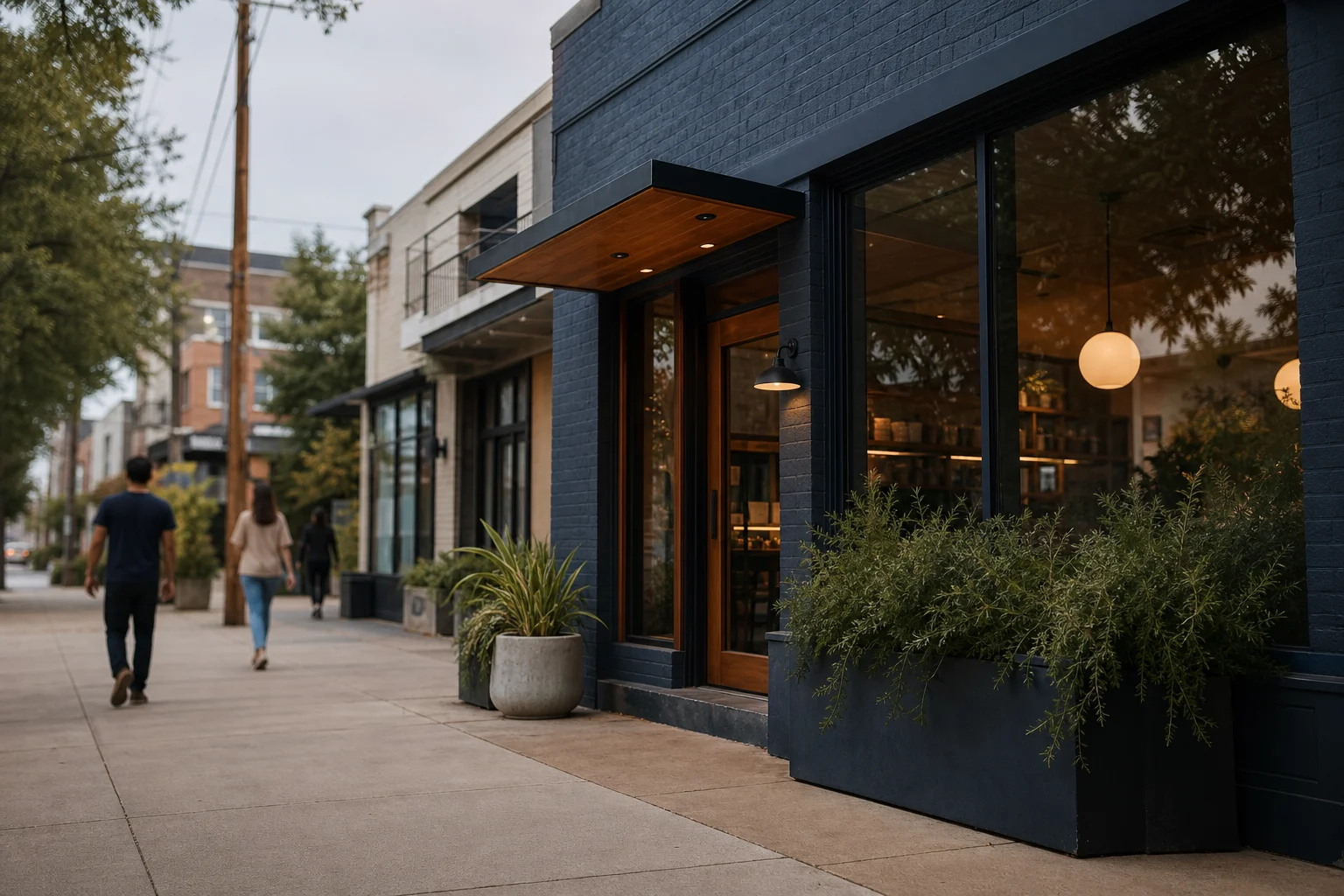
What does it cost to open a ramen and pho shop in San Francisco?
The question of startup costs for a ramen and pho shop in San Francisco doesn't have a simple answer. Unlike many other markets where you might find standardized cost estimates, San Francisco's dynamic real estate market, varying neighborhood characteristics, and specific regulatory requirements mean that costs can fluctuate dramatically based on location and business model. The city's reputation for high expenses is well-earned, but the specific breakdown depends heavily on where you choose to establish your restaurant and how you structure your operations.
Major cost categories
Lease deposit and first/last month
Your lease represents one of the largest upfront costs for any restaurant in San Francisco. The city's commercial real estate market operates with unique dynamics that directly impact your initial capital requirements. In San Francisco, landlords typically require first month's rent, last month's rent, and a security deposit-often equivalent to two months' rent. This means you'll need to have approximately four months of rent available before you even sign a lease.
The rent bands vary significantly across neighborhoods. For example, in the Tenderloin, you can expect rent between $35-$150/sqft/yr NNN, while the Excelsior/Outer Mission area shows a more standardized $55/sqft/yr NNN rate. These variations reflect neighborhood desirability, foot traffic, and proximity to key attractions. The Nob Hill neighborhood, with its prime location near Union Square and major transit hubs, also falls within the $35-$150/sqft/yr NNN range, though properties in this area often command higher rents within that band.
Tenant improvements and buildout
Tenant improvements (TI) represent another major cost category that can vary dramatically based on your chosen space. San Francisco's older buildings often require significant work to meet current health and safety codes, especially for food service operations. The condition of the space you lease will heavily influence these costs-some spaces may need complete gut renovations while others might only require cosmetic updates and equipment installation.
Equipment and furniture
Your kitchen equipment represents a substantial investment that will directly impact your operational capabilities and customer experience. For a ramen and pho shop, you'll need specialized equipment including ramen stations, pho simmering pots, refrigeration systems, and food preparation stations. The quality and efficiency of your equipment will affect both your food quality and long-term operational costs.
Furniture and fixtures for the dining area also require careful budgeting. San Francisco diners have high expectations for ambiance, so creating an inviting space that reflects your brand identity is crucial. This includes seating, tables, lighting, and decor elements that create the right atmosphere for your target customers.
Licenses, permits, and insurance
Navigating San Francisco's regulatory landscape requires careful planning and budgeting. You'll need multiple permits and licenses to operate legally, including a business license, health department permits, building permits for any construction work, and potentially alcohol permits if you plan to serve beer or sake. The city's Department of Public Health has specific requirements for food establishments that must be met before opening.
Insurance represents another necessary expense that shouldn't be overlooked. General liability insurance, property insurance, and workers' compensation are standard requirements. Given San Francisco's litigious environment, adequate coverage is essential to protect your business from potential claims.
Initial inventory or supplies
Stocking your restaurant with initial inventory requires careful cash flow management. For a ramen and pho shop, this includes ingredients like noodles, broths, proteins, vegetables, and specialty items that may be harder to source locally. Building relationships with reliable suppliers who can deliver consistent quality is crucial for maintaining your food standards.
You'll also need to budget for kitchen supplies, cleaning products, and front-of-house items like plates, utensils, and glassware. The initial inventory investment can be substantial, but proper planning can help you avoid stockouts during your critical opening period.
Pre-opening payroll and training
Hiring and training staff before opening requires careful cash flow management. San Francisco's competitive labor market means you'll need to offer competitive wages to attract qualified candidates. Pre-opening payroll includes not just salaries but also training time, which can extend several weeks before your grand opening.
Your team should include experienced cooks who understand ramen and pho preparation, front-of-house staff who can deliver exceptional customer service, and management personnel who can handle daily operations. The quality of your initial team will significantly impact your opening success.
Working capital reserve
Every restaurant needs a working capital reserve to handle unexpected expenses and revenue fluctuations during the critical first year. In San Francisco's challenging market, this reserve is even more important. Experts recommend having at least six months of operating expenses available to cover slow periods, equipment repairs, and other unforeseen costs.
This reserve provides flexibility to adapt to market conditions, make necessary adjustments to your menu or operations, and weather the inevitable challenges of launching a new restaurant in a competitive city.
How San Francisco compares to other CA markets
San Francisco's restaurant startup costs significantly exceed those in other California markets. While Los Angeles and San Diego have high real estate costs, San Francisco's combination of premium locations, strict regulations, and competitive labor market creates a unique cost environment. The city's density and tourist traffic can justify higher prices, but the cost of doing business remains substantially higher than in other major California cities.
Comparing neighborhoods within San Francisco reveals dramatic cost differences. The Tenderloin, with its $35-$150/sqft/yr NNN rent band, offers more affordable options than Nob Hill's similar range, which often commands higher rents due to its prime location near Union Square and major attractions. The Excelsior/Outer Mission area's standardized $55/sqft/yr NNN rate provides more predictable costs but may lack the foot traffic of more central locations.
What competition looks like in the top areas
San Francisco's ramen and pho scene is highly competitive, with established players in each of the top neighborhoods. In the Tenderloin, you'll find HINODEYA Ramen Union Square, a 4.6-star establishment with over 2,700 reviews, and several pho restaurants including Pho 2000 (4.7 stars) and Pho 808 (4.5 stars). These competitors have already established customer bases and understand the local market dynamics.
Nob Hill features Rural Ramen Bar, which has built a strong reputation with 4.5 stars from over 400 reviews, demonstrating that quality ramen can succeed in this premium neighborhood. The area's proximity to office buildings and tourist attractions creates consistent demand but also higher rent expectations.
The Excelsior/Outer Mission neighborhood is home to Pho Golden, a 4.8-star pho restaurant that has found success by serving the local community. This neighborhood's more predictable $55/sqft/yr NNN rent makes it an attractive option for operators focused on neighborhood consistency rather than tourist traffic.
Chinatown presents both opportunities and challenges, with established players like HINODEYA Ramen & Bar Downtown, Ramen Hiroshi San Francisco, and Kirimachi Ramen. These restaurants benefit from the neighborhood's cultural authenticity but face intense competition and specific customer expectations.
Common cost overrun patterns
Many ramen and pho shop founders in San Francisco encounter unexpected costs that can derail their budgets. The most common overruns include underestimating buildout requirements, especially in older buildings that may need structural upgrades to meet current codes. San Francisco's permitting process can also be more time-consuming and expensive than anticipated, with additional fees for historic preservation or environmental requirements.
Another frequent issue is equipment costs that exceed initial estimates. High-quality ramen and pho preparation requires specialized equipment that may be more expensive than standard restaurant gear. Energy-efficient models, while more costly upfront, can save money over time but require larger initial investments.
Labor costs often prove higher than projected, especially during the pre-opening phase when training takes longer than expected. San Francisco's minimum wage and competitive labor market mean you'll need to budget carefully for both salaries and benefits to attract and retain quality staff.
How to validate your number before committing capital
Before committing significant capital, validate your cost assumptions through thorough research and professional consultation. Obtain multiple lease quotes in your target neighborhoods to understand the true range of available spaces and their associated costs. Work with experienced commercial real estate brokers who understand San Francisco's restaurant market and can help you negotiate favorable terms.
Consult with contractors who have experience with restaurant buildouts in San Francisco. They can provide realistic estimates based on your specific space and help identify potential cost-saving opportunities. Review multiple equipment quotes to ensure you're getting fair market value for your kitchen needs.
Engage with local restaurant consultants or mentors who understand San Francisco's unique challenges. Their insights can help you identify hidden costs and develop realistic projections. Finally, create detailed cash flow projections that account for various scenarios, including slower-than-expected openings and unexpected expenses.
| Cost Category | Typical Range in SF | Key Considerations |
|---|---|---|
| Lease Deposit | a variable local timeline rent | Varies by neighborhood and landlord |
| Equipment | Variable | Specialized ramen/pho equipment needed |
| Initial Inventory | a variable local timeline sales | Quality ingredients critical for ramen/pho |
| Working Capital | 6 months expenses | Essential for SF market volatility |

FAQ
Q: What's the most affordable neighborhood to open a ramen and pho shop in San Francisco?
A: Based on Locavisor research, the Excelsior/Outer Mission neighborhood offers the most predictable and affordable rent at $55/sqft/yr NNN. While it may not have the tourist traffic of central locations, it provides a stable customer base and more manageable real estate costs for neighborhood-focused operations.
Q: How do I choose between ramen and pho as my primary offering?
A: San Francisco's market can support both, but your choice should align with neighborhood demographics and competition. Areas like Chinatown and the Tenderloin have strong pho demand, while neighborhoods near offices and tourists may favor ramen. Analyze local competition-Pho Golden in Excelsior and HINODEYA Ramen in Tenderloin both succeed by serving their specific neighborhood's preferences.
Q: What permits are absolutely essential for a ramen and pho shop in San Francisco?
A: You'll need a San Francisco business registration, Health Department food service permit, and Building Department permits for any construction. If serving alcohol, you'll need a ABC license. The Department of Public Health has specific requirements for food preparation and storage that must be met before opening.
Last reviewed: 2026-05-30
Sources: U.S. Census Bureau ACS, LEHD LODES, Google Places, OpenStreetMap, Locavisor neighborhood scoring.
Methodology: Locavisor scores neighborhoods across demand, competition fit, rent fit, accessibility, and customer match. Scores reflect a snapshot of recent data and should be combined with on-the-ground research before lease decisions.
Disclaimer: This article provides informational content only and does not constitute legal, financial, accounting, or real-estate advice. Verify lease terms, licensing, local regulations, costs, and professional requirements with qualified local professionals before making business decisions.
Free preview shows top 3 neighborhoods. Full $9.99 report covers all 10 areas with personalized scoring + 90-day check-ins.
Informational only. Verify lease, licensing, local regulations, costs, and professional requirements with qualified local professionals.