Denver, CO · hair salon
Cost to open a hair salon in Denver
Denver's competitive market presents unique cost pressures for hair salon founders. The city's rapid growth, high demand for beauty services, and premium real estate create a challenging environment for new businesses. Understanding the specific cost drivers in Denver is essential before committing capital to a new salon venture. The Mile High City's economy, demographics, and regulatory environment all influence startup expenses in ways that differ from other Colorado markets.
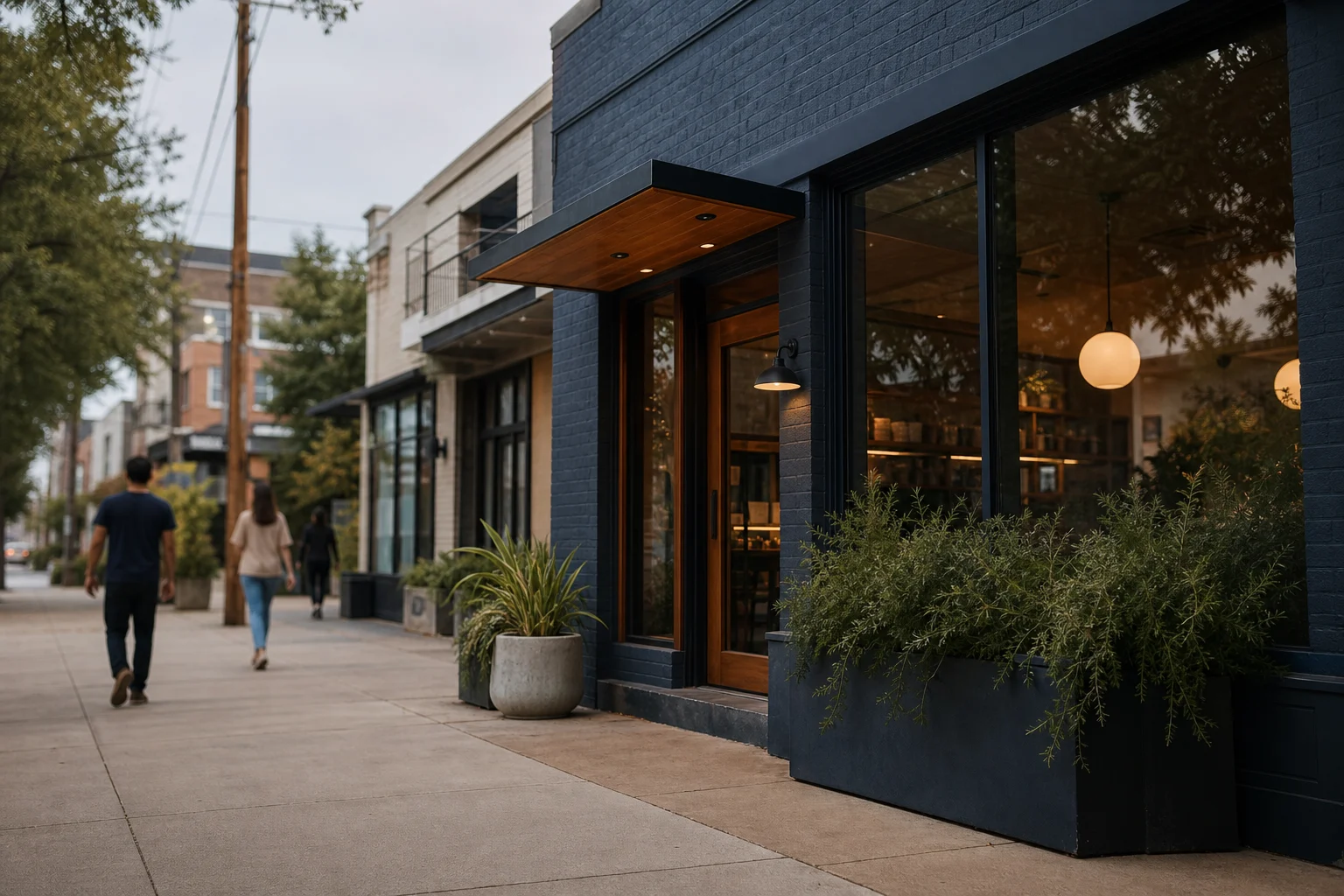
What does it cost to open a hair salon in Denver?
The cost to open a hair salon in Denver varies significantly based on location, size, and service offerings. Unlike many other Colorado cities, Denver's central business districts command premium rents that directly impact startup budgets. The city's popularity among young professionals and its status as a growing tech hub have created strong demand for high-quality beauty services, but this demand comes with corresponding price tags for real estate and operational costs. Founders must carefully evaluate neighborhood-specific factors that influence both startup expenses and long-term profitability.
Major cost categories
Lease deposit and first/last month
Lease deposits and upfront rent payments represent one of the largest initial cash outlays for Denver hair salon founders. The city's top neighborhoods command significant rent premiums that directly impact these costs. In LoDo (Lower Downtown), for example, the rent band sits at $48/sqft/yr NNN, while Cherry Creek commands $75/sqft/yr NNN - a substantial difference that affects both monthly expenses and initial capital requirements. Most commercial leases in Denver require first and last month's rent plus a security deposit, typically equal to one or two months' rent. These upfront costs can easily reach tens of thousands of dollars depending on the space size and location quality.
Tenant improvements and buildout
Tenant improvements (TI) and buildout costs vary dramatically based on the condition of the space and the specific requirements of a hair salon. Denver's older buildings, particularly in historic districts like LoDo and Five Points, often require significant electrical, plumbing, and flooring upgrades to meet modern salon standards. The city's building codes and accessibility requirements add another layer of complexity and expense. Founders should budget carefully for these improvements, as cutting corners on buildout quality can negatively impact customer experience and long-term operational costs.
Equipment and furniture
Salon equipment represents a substantial investment that varies based on the scope of services offered. Basic stations, chairs, mirrors, and lighting form the foundation, while specialized equipment for coloring, styling, and skincare adds to the total. Denver's competitive market means customers expect modern, well-maintained facilities, making quality equipment an important differentiator. The city's dry climate also requires consideration for humidity control systems, which add to equipment costs but protect both client comfort and product integrity.
Licenses, permits, and insurance
Denver requires specific business licenses and permits for hair salons, including cosmetology licenses for all stylists and managers. The city's Department of Excise and Licenses handles business licensing, while the Colorado Department of Regulatory Agencies oversees cosmetology credentials. Insurance requirements in Denver typically include general liability, professional liability, and workers' compensation coverage. These regulatory costs, while not the largest expense, represent essential compliance investments that founders must account for in their startup budget.
Initial inventory or supplies
Initial inventory costs for a Denver hair salon include professional haircare products, tools, and supplies. The city's educated clientele often expects premium product lines, which come with corresponding price points. Inventory needs vary based on the salon's service menu, but founders should plan for sufficient stock to serve clients from day one without overstocking perishable items. Denver's distribution networks provide access to most major beauty suppliers, but shipping times and minimum order requirements affect cash flow planning.
Pre-opening payroll and training
Pre-opening payroll covers staff training and preparation before the grand opening. Denver's competitive labor market means stylists command premium rates, even during training periods. Founders must budget for both paid training hours and potential productivity losses as new hires learn the salon's systems and culture. The city's minimum wage and living wage requirements also influence these costs, making Denver one of Colorado's more expensive markets for labor.
Working capital reserve
A working capital reserve is essential for covering operational expenses during the critical early months when revenue may not yet cover costs. Denver's high fixed costs, including rent and utilities, make this reserve particularly important. Most financial advisors recommend a variable local timeline of operating expenses as a minimum reserve, though Denver's market dynamics might suggest a larger buffer given the city's competitive landscape and potential for slower initial customer acquisition.
How Denver compares to other CO markets
Denver's startup costs for hair salons differ significantly from other Colorado markets. The city's premium real estate, particularly in central neighborhoods, creates higher rent expenses than suburban areas like Aurora or Lakewood. However, Denver's higher average service prices and customer spending power can offset these costs for well-positioned salons. The city's dense population and tourism traffic also provide revenue opportunities not available in smaller Colorado markets. Founders must weigh these factors when comparing Denver to other potential locations.
What competition looks like in the top areas
Denver's top neighborhoods for hair salons showcase diverse competitive landscapes. In LoDo (Lower Downtown), established players like Frank's Barber Shop a Gentlemen's Salon, Forma Collective Salon, and Onyx and Co Salon demonstrate strong market presence with high ratings. RiNo (River North Art District) features multiple competitors including Goldie x Bob Hair Salon, Vibe Salon Denver RiNo, and Rebel Salon, creating a vibrant but crowded market. Cherry Creek's Drybar Denver and Purluxe Beauty Bar Cherry Creek represent chain and independent competition with significant customer bases. These existing businesses indicate both market demand and the competitive intensity founders will face.
Common cost overrun patterns
Several cost overrun patterns frequently impact Denver hair salon startups. Underestimating buildout requirements, particularly in older buildings, is a common issue. Denver's historic districts often have hidden structural or code compliance costs that exceed initial budgets. Another frequent problem is overestimating early revenue, leading to insufficient working capital reserves. The city's seasonal tourism patterns and competitive market mean revenue growth may be slower than anticipated. Finally, many founders overlook the cost of specialized equipment needed for Denver's dry climate, resulting in unexpected expenses for humidity control and climate management systems.
How to validate your number before committing capital
Validating startup cost assumptions is critical for Denver hair salon founders. Researching actual rent prices in target neighborhoods provides the most accurate data - LoDo at $48/sqft/yr NNN and Cherry Creek at $75/sqft/yr NNN offer concrete benchmarks. Contacting local equipment suppliers for quotes on salon-specific needs helps establish realistic equipment budgets. Speaking with Denver salon owners, such as those in RiNo or Cherry Creek, provides invaluable insights into hidden costs and operational realities. Reviewing city permit requirements and associated fees ensures no regulatory costs are overlooked. Finally, creating detailed cash flow projections that account for Denver's specific market conditions helps founders understand the capital needed to reach profitability.
| Neighborhood | Locavisor score | Rent band | Local operator signal | Founder validation check |
|---|---|---|---|---|
| LoDo (Lower Downtown) | 7.1/10 | $48/sqft/yr NNN | Frank's Barber Shop a Gentlemen’s Salon, Forma Collective Salon | Validate lease terms, buildout condition, equipment scope, and reserves. |
| RiNo (River North Art District) | 6.7/10 | $48/sqft/yr NNN | Goldie x Bob Hair Salon, Vibe Salon Denver RiNo ✂ | Validate lease terms, buildout condition, equipment scope, and reserves. |
| Cherry Creek | 6.6/10 | $75/sqft/yr NNN | Drybar Denver - Cherry Creek, Purluxe Beauty Bar Cherry Creek | Validate lease terms, buildout condition, equipment scope, and reserves. |
| Five Points | 6.4/10 | $26-$75/sqft/yr NNN | Great Clips, Salon Sopris | Validate lease terms, buildout condition, equipment scope, and reserves. |
| Central Park (formerly Stapleton) | 6.4/10 | $26-$75/sqft/yr NNN | No direct operator listed | Validate lease terms, buildout condition, equipment scope, and reserves. |

FAQ
Q: What are the most affordable neighborhoods for a hair salon in Denver?
A: Five Points and Central Park (formerly Stapleton) offer more affordable options with rent bands of $26-$75/sqft/yr NNN, compared to LoDo and RiNo at $48/sqft/yr NNN or Cherry Creek at $75/sqft/yr NNN. These areas provide lower fixed costs but may require additional marketing investment to build customer awareness.
Q: How does Denver's regulatory environment affect startup costs?
A: Denver requires specific business licenses through the Department of Excise and Licenses, plus cosmetology licenses from the Colorado Department of Regulatory Agencies. These regulatory requirements add to startup costs and timeline, with potential penalties for non-compliance making thorough research essential.
Q: What's the typical timeline from planning to opening a hair salon in Denver?
A: Most Denver hair salons require a variable local timeline from lease signing to grand opening, depending on buildout complexity and permitting timelines. LoDo's historic buildings may extend this timeline due to additional regulatory requirements, while newer developments in Central Park might move faster.
Last reviewed: 2026-05-30
Sources: U.S. Census Bureau ACS, LEHD LODES, Google Places, OpenStreetMap, Locavisor neighborhood scoring.
Methodology: Locavisor scores neighborhoods across demand, competition fit, rent fit, accessibility, and customer match. Scores reflect a snapshot of recent data and should be combined with on-the-ground research before lease decisions.
Disclaimer: This article provides informational content only and does not constitute legal, financial, accounting, or real-estate advice. Verify lease terms, licensing, local regulations, costs, and professional requirements with qualified local professionals before making business decisions.
Free preview shows top 3 neighborhoods. Full $9.99 report covers all 10 areas with personalized scoring + 90-day check-ins.
Informational only. Verify lease, licensing, local regulations, costs, and professional requirements with qualified local professionals.