Detroit, MI · hair salon
Cost to open a hair salon in Detroit
Opening a hair salon in Detroit requires careful planning of startup costs across multiple categories. The cost to open a hair salon in Detroit varies significantly based on location, size, and business model. Before investing capital, founders must understand the full cost stack to avoid common financial pitfalls that have doomed many new salons.
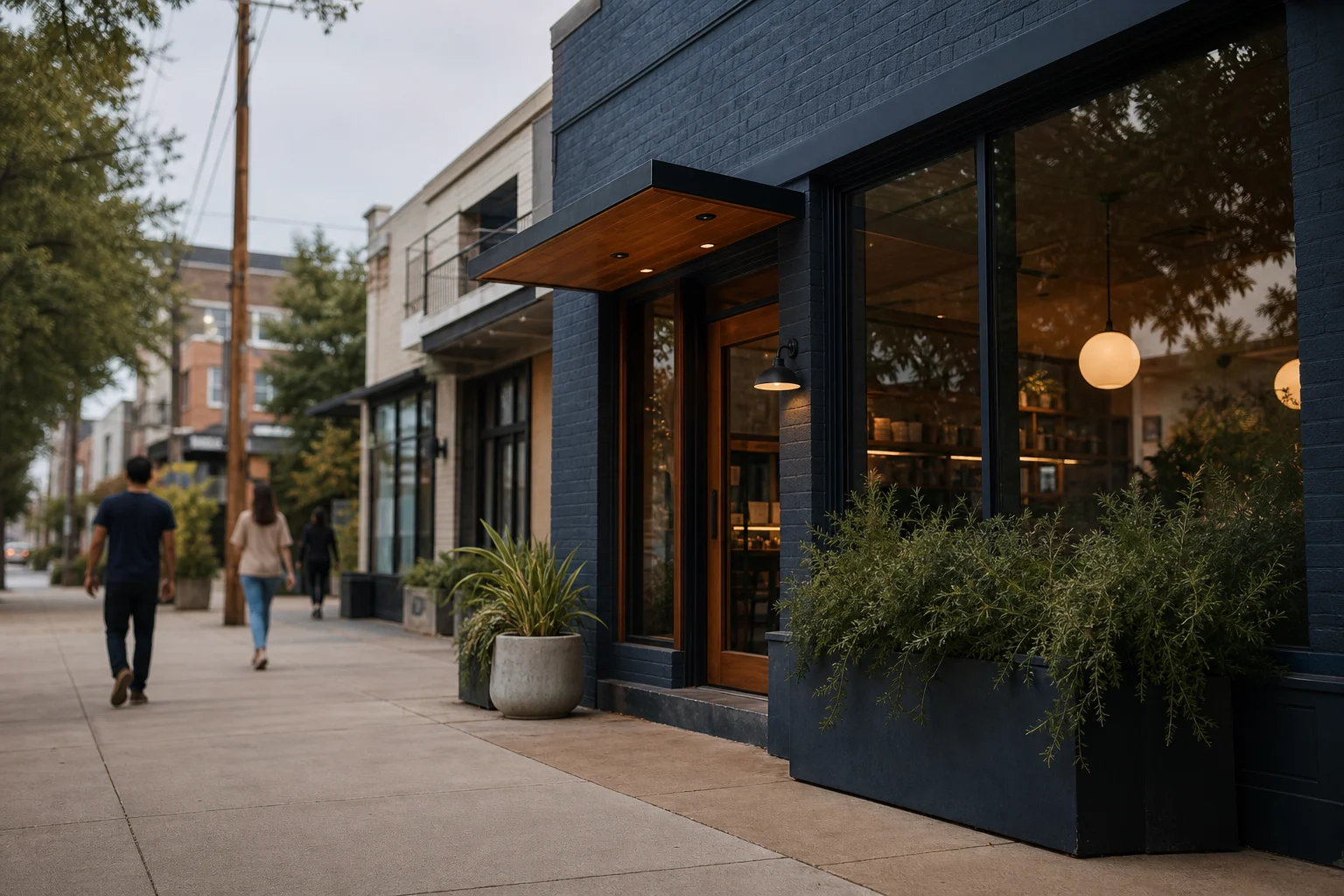
Main startup cost categories
The cost to open a hair salon in Detroit falls into several key categories. Rent represents the largest fixed expense, followed by buildout and equipment costs. Payroll for stylists and support staff forms another major expense category. Opening inventory of hair products, supplies, and retail merchandise adds to initial outlay. Permits and licensing fees, while smaller, can still impact startup capital. Finally, maintaining adequate cash reserves through the initial launch period is critical for survival.
Rent and lease assumptions in Detroit
Detroit offers varied rental options for hair salons across different neighborhoods. Lafayette Park (6.7/10) stands as your strongest bet—a stable residential enclave steps from downtown with maxed-out daytime worker density, strong walkability, and excellent parking. Two nearby salons (Jabrocki Love Beauty 5.0★, Salon On the Park 4.5★) are small-scale, leaving room for a mid-tier appointment-based concept. Expect roughly $30-50/sqft NNN.
Greektown (6.5/10) presents a high-traffic downtown corridor anchored by restaurants, the People Mover, and strong walkability. You'll share the block with 6 salon/hair operators including 6 Salon (4.6★, 215 reviews) and Salon Detroit (4.6★, 146 reviews)—real incumbents. Rent runs roughly $30-50/sqft NNN.
Downtown Detroit (6.4/10) represents the city's commercial core with maxed-out office density and strong transit. However, it's also the most competitive salon market in the city—8 nearby operators including 6 Salon (4.6★, 215 reviews), Salon Detroit (4.6★, 146 reviews), and The Last Tangle (4.6★, 84 reviews). Affluence is below-average for a downtown core, which limits pricing upside.
Buildout, equipment, payroll, opening inventory, permits, and cash reserve
Buildout costs depend heavily on the condition of your chosen space and your desired aesthetic. A basic salon layout requires stations, wash areas, reception, and storage. Equipment costs include styling chairs, wash units, mirrors, and tools. Payroll models must account for stylists, receptionists, and potentially assistants, with compensation structures affecting cash flow.
Opening inventory includes hair products, color lines, styling tools, and retail merchandise. Permits and licensing requirements vary by location but typically include business registration, health department approvals, and cosmetology certifications. Cash reserves should cover at least three months of operating expenses before reaching break-even.

Lean vs moderate vs generous launch budgets
Launch budgets exist on a spectrum from lean to generous. A lean approach minimizes buildout and focuses on essential equipment with a small product inventory. Moderate budgets allow for better branding, more comprehensive equipment, and expanded service offerings. Generous budgets support premium locations, extensive buildout, high-end equipment, and substantial marketing campaigns.
The market temperature in Detroit is mixed, with medium competition density across all three top areas. This balance suggests opportunities exist but require careful positioning. Rent level is low compared to other major cities, which helps control fixed costs. However, the low rent level doesn't automatically translate to lower overall startup costs, as other factors like buildout and equipment remain significant.
What to validate before spending money
Before committing capital, validate your lease assumptions thoroughly. Confirm square footage measurements and NNN terms directly with landlords. Research utility costs specific to your location, as these can vary significantly. Buildout scope should align with your business model and service offerings—avoid overbuilding for your target clientele.
Equipment needs must match your service menu and stylist requirements. Consider both initial purchase costs and long-term maintenance expenses. Payroll models should reflect realistic client acquisition timelines and stylist commission structures. Opening inventory levels should balance immediate needs with reorder lead times.
Permit requirements can create unexpected delays. Research local regulations thoroughly before signing a lease. Cash reserve calculations should account for slower-than-expected ramp-up periods. Finally, conduct a local professional review of your business plan to identify potential blind spots.
FAQ
How much does it cost to open A Hair Salon in Detroit?
The exact total cost to open a hair salon in Detroit cannot be estimated from the provided data. Startup costs vary significantly based on location, size, business model, and buildout quality. Before investing, founders should validate their specific lease terms, buildout requirements, equipment needs, payroll model, opening inventory levels, permit costs, and adequate cash reserves. The three top areas—Lafayette Park (6.7/10), Greektown (6.5/10), and Downtown Detroit (6.4/10)—offer different cost structures and competitive environments that impact overall startup expenses.
Last reviewed: 2026-05-08
Sources: U.S. Census Bureau ACS, LEHD LODES, Google Places, OpenStreetMap, Locavisor neighborhood scoring.
Methodology: Locavisor scores neighborhoods across demand, competition fit, rent fit, accessibility, and customer match. Scores reflect a snapshot of recent data and should be combined with on-the-ground research before lease decisions.
Disclaimer: This article provides informational content only and does not constitute legal, financial, accounting, or real-estate advice. Verify lease terms, licensing, local regulations, costs, and professional requirements with qualified local professionals before making business decisions.
Free preview shows top 3 neighborhoods. Full $9.99 report covers all 10 areas with personalized scoring + 90-day check-ins.
Informational only. Verify lease, licensing, local regulations, costs, and professional requirements with qualified local professionals.