Portland, OR · hair salon
Cost to open a hair salon in Portland
Opening a hair salon in Portland requires navigating a complex web of costs that vary significantly by neighborhood, market conditions, and business model. The city's competitive beauty market, high-quality local clientele, and specific zoning requirements create unique financial pressures for new salon owners. Portland's reputation as a city that values craftsmanship and personal service means customers expect premium experiences, which directly impacts startup investments in both space and talent. The cost structure for a new salon depends heavily on location choices, with downtown and Pearl District spaces commanding premium rates compared to other neighborhoods.
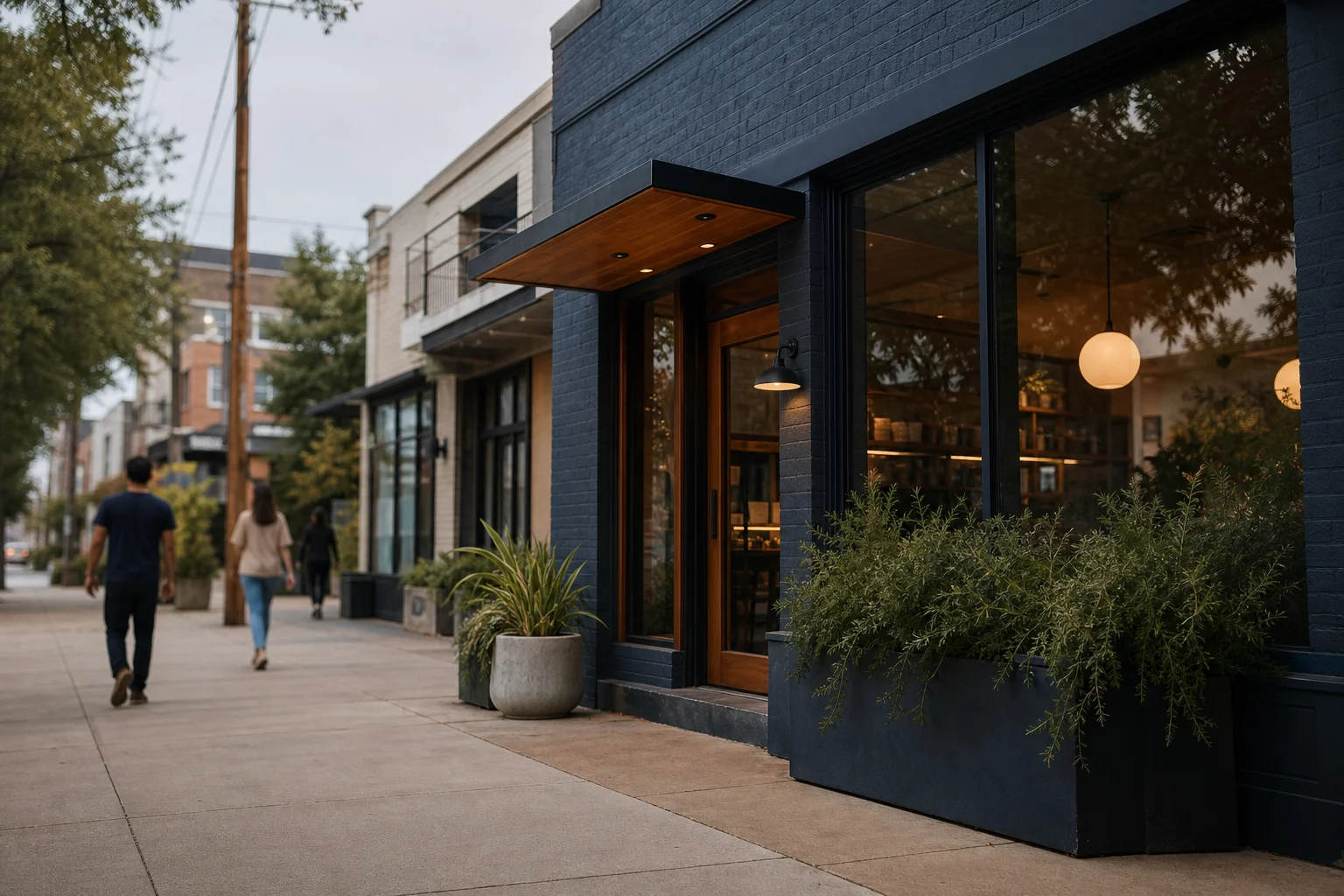
What does it cost to open a hair salon in Portland?
The total investment to launch a hair salon in Portland varies widely based on several key factors, with location being the single most significant cost driver. Unlike many other service businesses, hair salons require substantial upfront investments in specialized equipment, professional talent, and carefully designed spaces that meet both aesthetic and functional requirements. Portland's market presents unique opportunities in neighborhoods like Hollywood District and St. Johns, where rent bands typically range from $25-$42/sqft/yr NNN, while premium locations in Downtown and Pearl District command $42/sqft/yr NNN. These location-based rent differences create a fundamental cost divergence that shapes the entire business model. The city's strong local economy and appreciation for artisan services mean salon owners must balance competitive pricing with the quality expectations of discerning Portland clients.
Major cost categories
Lease deposit and first/last month
Securing a suitable location represents the largest single upfront cost for most Portland hair salon startups. The deposit requirements typically range from one to three months' rent, with first and last month payments due before keys are handed over. In Portland's competitive market, desirable spaces in high-traffic areas often require additional security deposits or personal guarantees. The rent bands vary dramatically by neighborhood - Hollywood District and St. Johns offer more affordable options at $25-$42/sqft/yr NNN, while Downtown and Pearl District command premium rates at $42/sqft/yr NNN. These differences translate to substantial monthly rent variations that directly impact cash flow projections. Salon owners must carefully evaluate the trade-off between higher rent in prime locations versus more affordable spaces in emerging neighborhoods.
Tenant improvements and buildout
Transforming a raw commercial space into a functional hair salon requires significant investment in tenant improvements. Portland's building codes and aesthetic standards mean salon buildouts often exceed typical commercial renovations. The specific requirements depend on the condition of the existing space, with older buildings frequently needing substantial electrical upgrades, plumbing modifications, and specialized ventilation systems. The buildout costs vary dramatically based on the scope of work, with full-service salons requiring more extensive modifications than smaller boutique operations. Many Portland salon owners find that investing in high-quality finishes pays dividends in customer perception and operational efficiency. The city's emphasis on craftsmanship means clients notice and appreciate well-designed spaces that reflect the quality of services provided.
Equipment and furniture
Professional hair salon equipment represents a substantial upfront investment that cannot be overlooked. The core equipment includes styling stations, shampoo bowls, dryers, color stations, and specialized tools for various hair treatments. Portland's market demands high-quality, professional-grade equipment that can withstand heavy daily use while maintaining performance standards. The equipment costs vary based on the number of stations, with full-service salons requiring more extensive investments than specialized boutiques. Many successful Portland salons invest in ergonomic furniture that enhances both client comfort and stylist efficiency. The city's environmentally conscious culture also influences equipment choices, with many salon owners opting for sustainable and eco-friendly options that align with local values.
Licenses, permits, and insurance
Navigating Portland's regulatory landscape requires careful attention to licensing and permitting requirements. Hair salons must obtain specific business licenses, health department permits, and potentially specialized certifications depending on the services offered. The city's regulations regarding waste disposal, chemical storage, and customer safety create additional compliance costs. Insurance represents another significant expense, with liability coverage being particularly important given the nature of beauty services. Portland's regulatory environment is generally business-friendly but requires thorough research to avoid unexpected costs or delays. Many new salon owners find that working with local business advisors or consultants familiar with Portland's specific requirements saves time and money in the long run.
Initial inventory or supplies
Stocking a new salon with professional hair products, tools, and supplies requires careful budgeting and inventory management. Portland's beauty market offers access to both mainstream and specialized product lines, with many salons choosing to carry a curated selection that reflects their brand identity. The initial inventory investment varies based on the salon's service offerings, with color-focused salons requiring substantial investments in professional hair color products. The city's emphasis on quality means clients expect premium product lines that may have higher upfront costs but can justify premium pricing. Smart inventory management becomes crucial as the business scales, with many successful Portland salons implementing just-in-time ordering systems to minimize carrying costs.
Pre-opening payroll and training
Hiring and training staff represents a significant pre-opening expense that directly impacts service quality and customer experience. Portland's competitive labor market means salon owners must offer competitive compensation packages to attract and retain talented stylists. The training period often extends beyond opening day, with many salons investing in ongoing professional development to maintain service standards. The city's strong beauty culture creates high expectations for stylist expertise, making thorough training essential for customer satisfaction and retention. Many successful Portland salons implement structured training programs that combine technical skills with customer service excellence.
Working capital reserve
Establishing a working capital reserve is critical for navigating the initial months of operation when revenue may be inconsistent. Portland's seasonal beauty market means salon revenue can fluctuate based on local events, weather patterns, and tourism cycles. A robust reserve provides the flexibility to handle unexpected expenses, marketing investments, or slow periods without compromising service quality. Many financial advisors recommend maintaining at least three to six months of operating expenses in reserve. The reserve also provides the flexibility to capitalize on unexpected opportunities or address unforeseen challenges that commonly arise during the startup phase.
How Portland compares to other OR markets
Portland's startup costs for hair salons differ significantly from other Oregon markets due to its larger population, higher rent structures, and more competitive beauty market. Cities like Eugene and Bend offer lower rent bands and less saturated markets but may have smaller customer bases and different demographic profiles. Salem presents a middle ground with moderate rent costs and a growing beauty market. The Portland metropolitan area's size and economic diversity create both opportunities and challenges for new salon owners. The city's reputation as a beauty destination means customers are willing to pay premium prices but also expect exceptional service quality. Comparing Portland to other markets requires careful consideration of target clientele, service offerings, and business model differences.
What competition looks like in the top areas
Portland's top neighborhoods for hair salons present varying competitive landscapes that impact startup strategies and cost structures. The Hollywood District hosts established players like Demeanor Hair Studio, Supercuts, Little Wilma's Salon, Valerium Salon, G Best Color Salon, Melat's Dreadlocks at One Luv Salon & Barber, and MERAKI Hair Studio, creating a dense market with multiple service tiers. Downtown features strong competitors including Salon Beck, Urbantopia Nail Salon and Spa, and Le ciel hair salon, catering to a professional clientele with higher price points. Sellwood-Moreland's market includes Chameleon Salon and Vi Hair Salon, serving a neighborhood-focused customer base with community-oriented approaches. Each neighborhood's competitive dynamics influence pricing strategies, service offerings, and marketing approaches that new salon owners must carefully consider.
| Neighborhood | Rent Band | Key Competitors | Market Characteristic |
|---|---|---|---|
| Hollywood District | $25-$42/sqft/yr NNN | Demeanor Hair Studio, Supercuts, Little Wilma's Salon | Dense competition, family-friendly |
| Downtown | $42/sqft/yr NNN | Salon Beck, Urbantopia, Le ciel hair salon | Professional clientele, higher price points |
| Sellwood-Moreland | $25-$42/sqft/yr NNN | Chameleon Salon, Vi Hair Salon | Neighborhood focus, community-oriented |
| St. Johns | $25-$42/sqft/yr NNN | Limited data available | Emerging market, potential for differentiation |
| Pearl District | $42/sqft/yr NNN | Limited data available | Premium location, high-end expectations |
Common cost overrun patterns
New Portland hair salon owners frequently encounter unexpected costs that can derail carefully constructed budgets. Buildout modifications often exceed initial estimates due to hidden structural issues or city code requirements specific to beauty businesses. Equipment purchases frequently run over budget as salon owners discover the need for specialized tools or higher-quality alternatives. Permitting delays can create additional holding costs and disrupt opening timelines. Many new owners underestimate the time and expense required for staff training and certification. Inventory management challenges frequently lead to overstocking or stockouts that impact service delivery and customer satisfaction. The city's seasonal weather patterns can also create unexpected revenue fluctuations that strain cash flow during critical startup periods.
How to validate your number before committing capital
Thorough due diligence is essential for validating startup cost assumptions in Portland's competitive market. Researching comparable spaces in target neighborhoods provides realistic rent benchmarks and helps identify potential hidden costs. Consulting with local salon owners and industry professionals offers valuable insights into actual operating expenses and common pitfalls. Obtaining multiple contractor bids for buildout work reveals the true cost of transforming commercial spaces into functional salons. Testing service pricing with potential customers helps validate revenue assumptions and market positioning. Reviewing local zoning requirements and permit processes with city officials prevents unexpected regulatory costs. Many successful Portland salon owners recommend creating detailed, line-item budgets and regularly updating them as new information becomes available.

FAQ
Q: What are the most affordable neighborhoods for opening a hair salon in Portland?
A: Based on Locavisor research, Hollywood District and St. Johns offer the most affordable rent options at $25-$42/sqft/yr NNN, making them attractive for budget-conscious salon startups. These neighborhoods provide access to established customer bases while maintaining more reasonable lease costs compared to premium locations.
Q: How does Portland's regulatory environment impact hair salon startup costs?
A: Portland's health and safety regulations for beauty businesses require specific permits and compliance measures that add to startup costs. Salon owners must budget for licensing fees, health department inspections, and potentially specialized waste disposal systems that meet city environmental standards.
Q: What factors should I consider when choosing between a high-rent downtown location and a more affordable neighborhood spot?
A: Consider your target clientele, service pricing strategy, and marketing budget. Downtown locations like Pearl District command $42/sqft/yr NNN but attract professional clients willing to pay premium prices, while neighborhoods like Hollywood District offer lower rents but may require more investment in local marketing to build awareness.
Last reviewed: 2026-05-30
Sources: U.S. Census Bureau ACS, LEHD LODES, Google Places, OpenStreetMap, Locavisor neighborhood scoring.
Methodology: Locavisor scores neighborhoods across demand, competition fit, rent fit, accessibility, and customer match. Scores reflect a snapshot of recent data and should be combined with on-the-ground research before lease decisions.
Disclaimer: This article provides informational content only and does not constitute legal, financial, accounting, or real-estate advice. Verify lease terms, licensing, local regulations, costs, and professional requirements with qualified local professionals before making business decisions.
Free preview shows top 3 neighborhoods. Full $9.99 report covers all 10 areas with personalized scoring + 90-day check-ins.
Informational only. Verify lease, licensing, local regulations, costs, and professional requirements with qualified local professionals.