San Antonio, TX · hair salon
Cost to open a hair salon in San Antonio
Opening a hair salon in San Antonio requires careful planning of startup costs across multiple categories. The cost to open a hair salon in San Antonio varies based on location, size, and business model. San Antonio's market temperature is mixed with medium competition density and low rent levels, creating both opportunities and challenges for new salon owners.
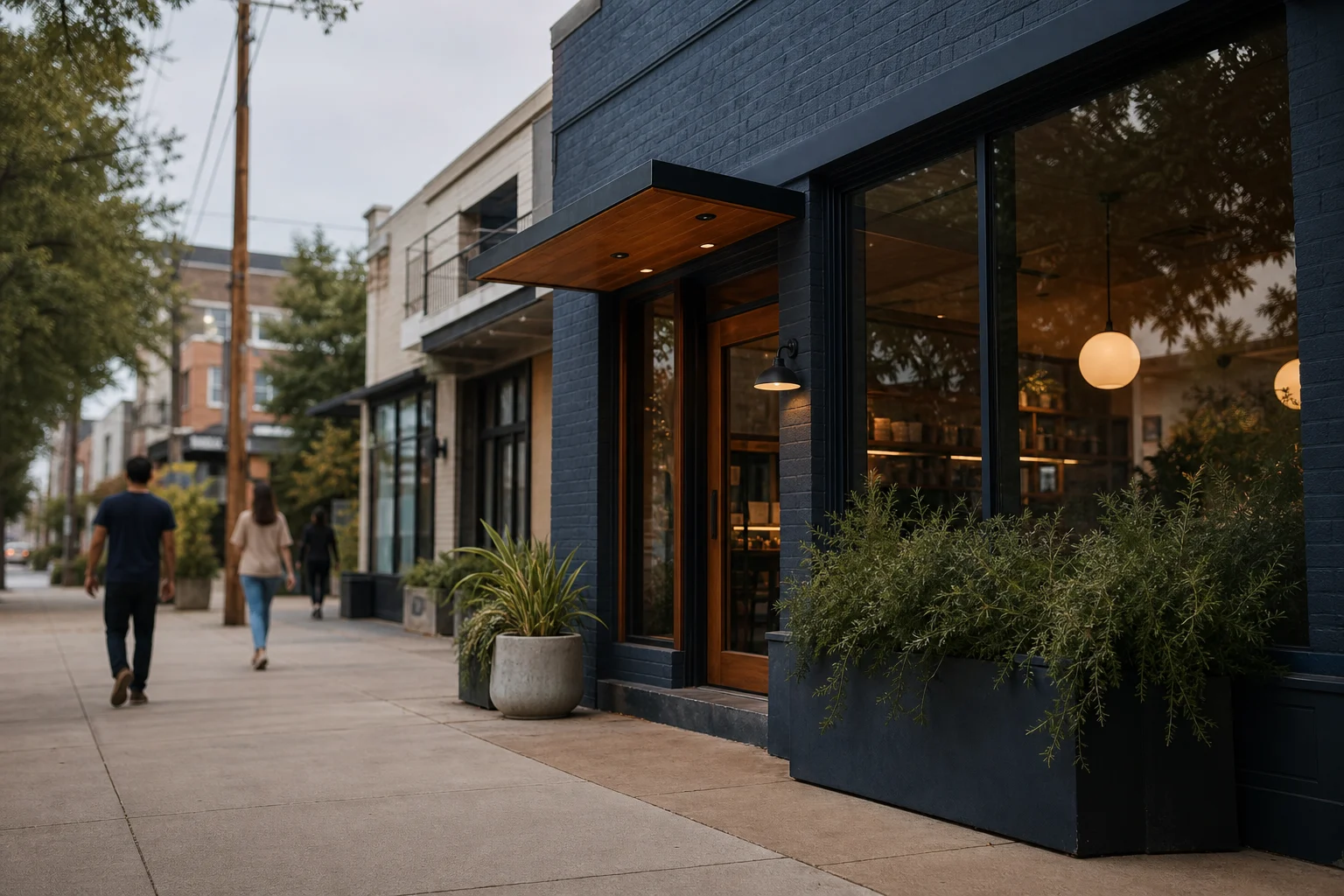
Main startup cost categories
The cost to open a hair salon in San Antonio falls into several key categories. Each requires careful consideration before committing capital. The primary expense categories include rent and lease assumptions, buildout and equipment, payroll, opening inventory, permits, and cash reserves.
San Antonio's market presents a mixed temperature with medium competition density. This balance suggests room for new entrants while requiring careful positioning. The low rent levels in San Antonio provide a cost advantage compared to many other markets, though buildout costs remain significant.
Rent and lease assumptions in San Antonio
Rent represents one of the largest fixed costs for any hair salon. San Antonio's low rent levels provide a competitive advantage. The top three areas for hair salons in San Antonio offer similar rent expectations:
Stone Oak (6.6/10) — This upscale north-side master-planned corridor has solid office density and residential reach. Expect roughly $30-50/sqft NNN. Stone Oak ranks #1 with a strong competitionFit and rentFit profile. Image Makers Hair Studio (4.6★, 184 reviews) and BLUSH BEAUTY PRO (5★, 42 reviews) already operate nearby — but no direct same-format saturation.
West Side / Westside (6.5/10) — This area ranks #2 with the highest rentFit score (9.9) and strong competitionFit. It's a dense retail corridor along Culebra with heavy chain-salon presence (Sport Clips, Supercuts, Great Clips, Fantastic Sams) — but those are walk-in/value formats, not appointment-based salons. Expect roughly $30-50/sqft NNN.
Alamo Heights (6.3/10) — This area ranks #3 — an upscale Broadway corridor adjacent to Trinity University and UIW, with strong walkability and retail-anchor density (Alamo Quarry Market, The Shops at Lincoln Heights). Affluence is city-leading, supporting premium pricing. Expect roughly $30-50/sqft NNN.
Each area offers different advantages. Stone Oak provides an upscale environment with established but not saturated competition. West Side has high rentFit but faces chain competition in different formats. Alamo Heights offers the highest affluence but may come with higher expectations for service quality.
Buildout, equipment, payroll, opening inventory, permits, and cash reserve
Beyond rent, buildout represents a significant portion of startup costs. The scope of buildout depends heavily on the condition of the space and your brand positioning. A turnkey space requires less investment but may not match your vision. A complete renovation offers maximum customization but increases costs.
Equipment needs vary based on services offered. Basic stations, wash units, mirrors, and styling chairs form the foundation. Additional equipment depends on specialized services like coloring, chemical treatments, or barber services. Quality equipment represents a long-term investment that affects service quality and client experience.
Payroll costs extend beyond stylists to receptionists, assistants, and management. San Antonio's labor market offers competitive rates, but skilled stylists command premium compensation. Consider commission structures versus hourly wages when planning your payroll model.
Opening inventory includes products, supplies, and retail merchandise. Product costs can accumulate quickly across multiple brands and categories. Consider your retail strategy and initial inventory needs carefully to avoid overstocking or understocking.
Permit requirements vary by location and services offered. San Antonio requires specific business licenses and health department approvals. Salon-specific permits may include cosmetology licenses and health certifications. Factor in the time and cost associated with obtaining all necessary permits before opening.
Cash reserves provide a safety net during the initial months of operation. Many businesses underestimate the time required to reach profitability. Maintain sufficient operating capital to cover expenses during the ramp-up period, even with optimistic projections.

Lean vs moderate vs generous launch budgets
The cost to open a hair salon in San Antonio can vary significantly based on your budget approach. A lean launch minimizes fixed costs and focuses on essential services and equipment. This approach reduces initial investment but may limit growth potential and service offerings.
A moderate budget allows for quality equipment, comfortable client spaces, and a balanced service menu. This approach provides flexibility while maintaining reasonable cost controls. Many successful salons find this middle ground offers the best balance of investment and return.
A generous launch budget supports premium buildout, high-end equipment, and comprehensive service offerings. This approach positions your salon as a market leader but requires substantial upfront investment. Consider your target market and long-term goals when determining your budget level.
What to validate before spending money
Before committing significant capital to your hair salon venture, validate several key assumptions. Lease terms represent one of the most critical areas to verify. Ensure you understand the full cost of occupancy, including common area maintenance, property taxes, and insurance.
Buildout scope requires careful planning based on actual space dimensions and conditions. Obtain multiple contractor bids and verify that your budget accounts for unexpected issues. Consider phased buildout if resources are limited.
Equipment needs should align with your service offerings and client expectations. Research industry standards for quality and durability. Consider both initial purchase costs and long-term maintenance requirements.
Payroll models must reflect San Antonio's labor market realities. Commission structures can reduce fixed costs but require careful calculation to ensure fair compensation. Factor in payroll taxes and benefits when planning your staffing model.
Opening inventory levels should match realistic sales projections. Consider vendor relationships and reorder timelines when planning initial stock levels. Avoid overcommitting to product lines before establishing client demand.
Permit requirements vary by location and services. Consult with local authorities early in the planning process to avoid delays. Factor in the time required for license applications and inspections.
Cash reserves should cover at least six months of operating expenses. Conservative planning helps weather unexpected challenges during the critical ramp-up period. Consider seasonal fluctuations when determining your reserve requirements.
FAQ
How much does it cost to open a Hair Salon in San Antonio?
The exact total cost to open a hair salon in San Antonio cannot be estimated from the provided data. Startup costs vary significantly based on location, size, buildout scope, equipment quality, service offerings, and business model. Variables to validate include lease terms and occupancy costs, buildout requirements, equipment needs, payroll models, opening inventory levels, permit requirements, and cash reserve needs. San Antonio's low rent levels provide a cost advantage, but buildout and equipment costs remain substantial. Careful planning based on your specific business model is essential before committing capital.
Last reviewed: 2026-05-05
Sources: U.S. Census Bureau ACS, LEHD LODES, Google Places, OpenStreetMap, Locavisor neighborhood scoring.
Methodology: Locavisor scores neighborhoods across demand, competition fit, rent fit, accessibility, and customer match. Scores reflect a snapshot of recent data and should be combined with on-the-ground research before lease decisions.
Disclaimer: This article provides informational content only and does not constitute legal, financial, accounting, or real-estate advice. Verify lease terms, licensing, local regulations, costs, and professional requirements with qualified local professionals before making business decisions.
Free preview shows top 3 neighborhoods. Full $9.99 report covers all 10 areas with personalized scoring + 90-day check-ins.
Informational only. Verify lease, licensing, local regulations, costs, and professional requirements with qualified local professionals.