Seattle, WA · hair salon
Cost to open a hair salon in Seattle
Opening a hair salon in Seattle requires careful planning of startup costs across multiple categories. The cost to open a hair salon in Seattle varies significantly based on location, size, and business model. Before committing capital, founders should understand the full cost stack and validate key assumptions.
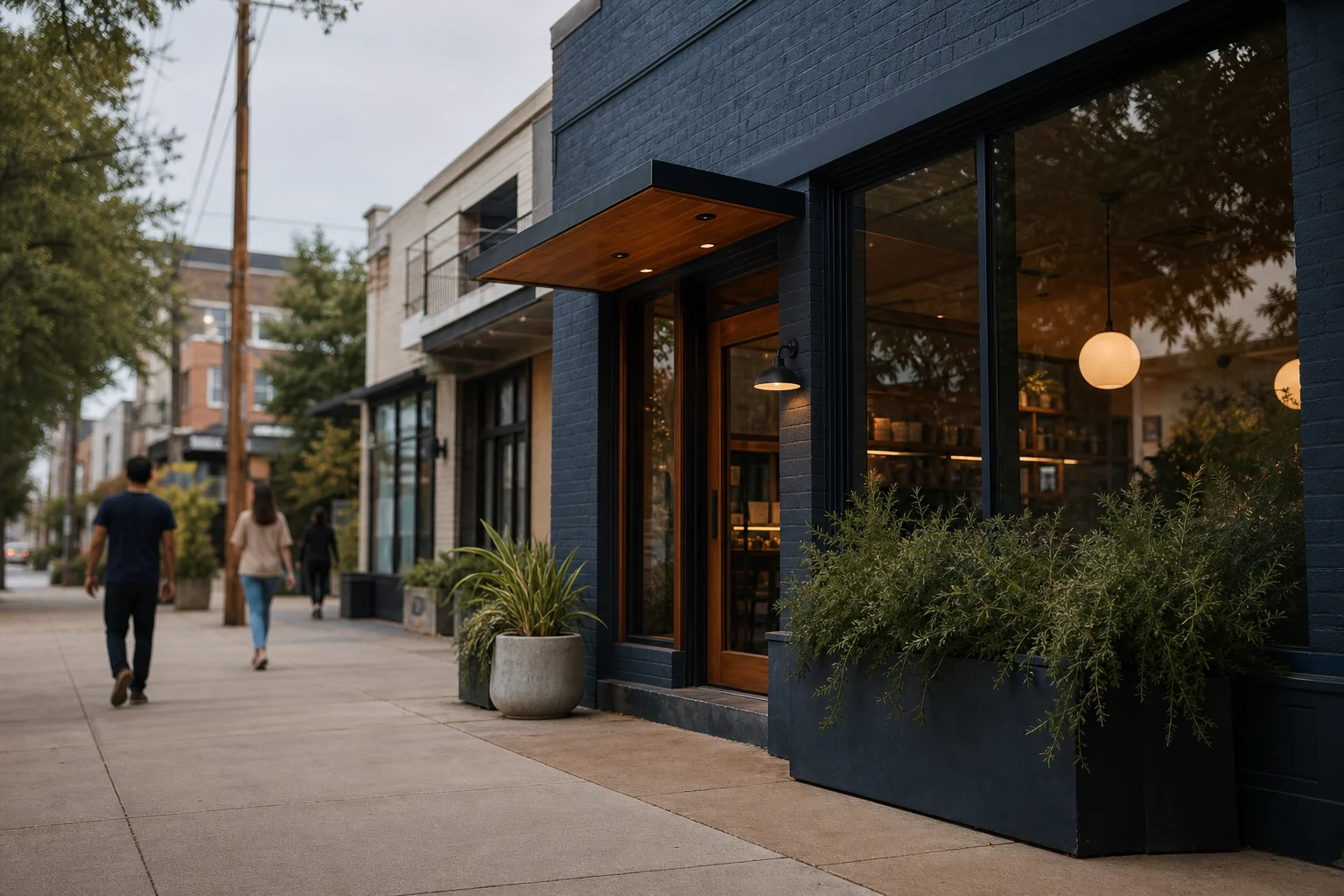
Main startup cost categories
The primary cost categories for a Seattle hair salon include rent, buildout, equipment, permits, hiring, launch inventory, and cash reserves. Each category carries different cost pressures depending on neighborhood characteristics and market conditions. Rent typically represents the largest fixed cost, followed by buildout and equipment investments.
Rent and lease assumptions in Seattle
Seattle offers distinct neighborhood options for hair salons, each with different rent levels and market characteristics. Locavisor neighborhood scoring identifies three top areas for consideration:
Madrona / Leschi (6.7/10) — Madrona / Leschi leads the pack with strong walkability, dense residential base, and a tight cluster of existing beauty operators that validate demand. Expect roughly $30-50/sqft NNN.
Eastlake / Cascade (6.7/10) — Eastlake / Cascade sits adjacent to South Lake Union's tech employment hub with strong daytime worker density — ≈10,500 weekday lunch workers within 800m. Rent runs roughly $30-50/sqft NNN. The area has solid parking access (better than Madrona) and good walkability.
Fremont (6.6/10) — Fremont is Seattle's iconic 'Center of the Universe' — high walkability, strong tourist draw (Fremont Troll, Sunday market), and dense residential. Rent runs roughly $30-50/sqft NNN. The area already supports multiple hair salons (Salon Ritual 4.9★, Adele Salon 4.8★, The Colour Distillery 4.9★) plus barbershops and nail salons — the beauty category is saturated.
The rent level across these areas is considered low, which helps control fixed costs. Market temperature is promising, while competition density varies from medium in Madrona/Leschi and Eastlake/Cascade to high in Fremont. Score confidence sits at 78% according to Locavisor neighborhood scoring.
Buildout, equipment, payroll, opening inventory, permits, and cash reserve
Buildout costs depend heavily on the condition of the space and your design vision. Seattle's commercial real estate market offers varied conditions that affect renovation expenses. Equipment represents another major investment, with stations, wash units, mirrors, and styling tools adding up quickly.
Payroll costs include stylists, receptionists, and potentially assistants. Seattle's service industry wages influence these expenses. Opening inventory covers products like shampoos, conditioners, and styling products that you'll need at launch.
Permits and licensing requirements add another layer of cost. Seattle has specific regulations for beauty businesses that must be followed before opening. Cash reserves are critical for covering expenses before the business becomes profitable. A healthy reserve helps navigate the initial slow period when client acquisition takes time.

Lean vs moderate vs generous launch budgets
Launch budgets vary significantly based on business model and risk tolerance. A lean approach minimizes fixed costs with smaller spaces and basic equipment. This model works well in areas with lower rent levels like Madrona/Leschi or Eastlake/Cascade.
A moderate budget allows for better equipment, more stations, and stronger branding. This approach can help compete in areas with medium competition density. A generous budget supports premium locations, extensive buildout, and marketing campaigns. This model makes sense in areas with promising market temperatures like the top three neighborhoods identified.
What matters most is aligning your budget with neighborhood characteristics and your business positioning. Fremont's saturated beauty market might require a more generous approach to stand out, while Madrona/Leschi's validated demand might support a moderate investment.
What to validate before spending money
Before committing significant capital, validate these key assumptions:
First, verify lease terms and renewal options. Commercial leases in Seattle often come with multi-year commitments. Understand the full cost beyond base rent, including NNN (triple net) expenses that cover taxes, insurance, and maintenance.
Second, assess buildout requirements. Some spaces may need substantial renovation to meet salon standards. Get professional estimates before signing a lease. Third, evaluate equipment needs based on your service offerings and stylist count.
Fourth, understand local licensing requirements. Seattle has specific regulations for beauty businesses that affect both time and money. Fifth, model staffing needs based on projected client flow. Seattle's service industry wages impact your payroll structure.
Sixth, evaluate inventory requirements for your opening. Product costs add up quickly and should be factored into your startup budget. Finally, assess cash reserve needs based on your break-even projections. Seattle's market conditions affect how quickly you might reach profitability.
FAQ
How much does it cost to open a Hair Salon in Seattle?
The exact total cost to open a hair salon in Seattle cannot be estimated from the provided data. Startup costs vary significantly based on location, size, equipment quality, and business model. Before spending money, validate lease assumptions, buildout requirements, equipment needs, licensing requirements, staffing structure, inventory requirements, and cash reserve needs. The cost stack includes rent, buildout, equipment, permits, hiring, launch inventory, and operating reserves. Seattle's neighborhood characteristics affect each cost category differently, making location-specific validation essential.
Last reviewed: 2026-05-05
Sources: U.S. Census Bureau ACS, LEHD LODES, Google Places, OpenStreetMap, Locavisor neighborhood scoring.
Methodology: Locavisor scores neighborhoods across demand, competition fit, rent fit, accessibility, and customer match. Scores reflect a snapshot of recent data and should be combined with on-the-ground research before lease decisions.
Disclaimer: This article provides informational content only and does not constitute legal, financial, accounting, or real-estate advice. Verify lease terms, licensing, local regulations, costs, and professional requirements with qualified local professionals before making business decisions.
Free preview shows top 3 neighborhoods. Full $9.99 report covers all 10 areas with personalized scoring + 90-day check-ins.
Informational only. Verify lease, licensing, local regulations, costs, and professional requirements with qualified local professionals.