Atlanta, GA · sandwich and deli shop
Cost to open a sandwich and deli shop in Atlanta
Opening a sandwich and deli shop in Atlanta presents unique cost considerations shaped by the city's competitive market dynamics, high real estate values, and specific local regulations. The cost to open a sandwich and deli shop in Atlanta varies significantly based on location, size, and operational model, with rent representing one of the largest fixed costs for new business owners. Atlanta's diverse neighborhoods offer different opportunities and challenges, from high-traffic downtown locations to growing suburban areas. Understanding these cost drivers is essential for founders planning their startup budget and securing adequate funding.
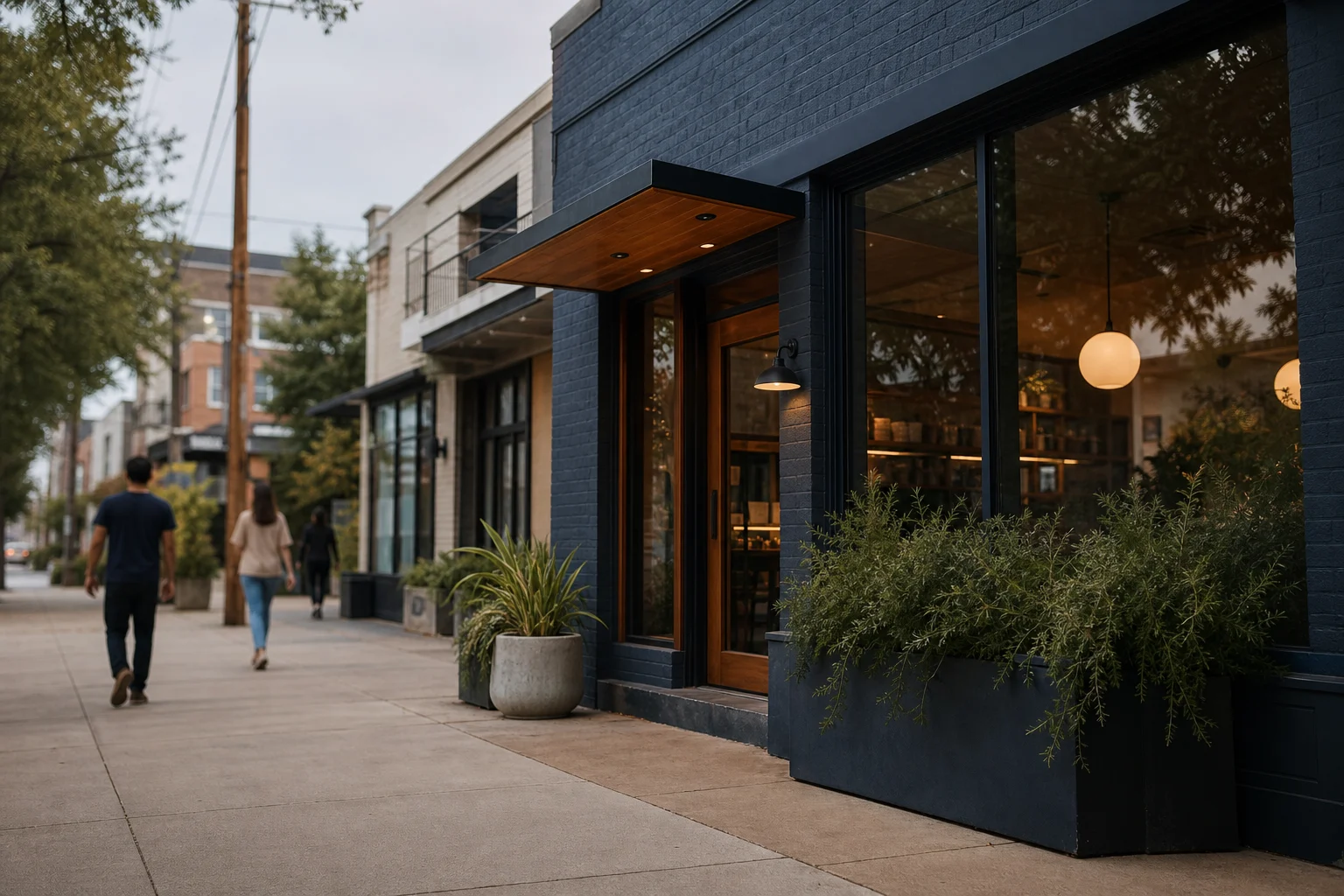
What does it cost to open a sandwich and deli shop in Atlanta?
The cost to open a sandwich and deli shop in Atlanta depends on multiple factors including location, size, equipment needs, and operational complexity. While exact figures vary widely, founders should expect significant upfront investments in real estate, buildout, equipment, and initial inventory. Atlanta's commercial real estate market, particularly in desirable neighborhoods, commands premium rents that directly impact startup costs. The city's business environment also requires specific permits, licenses, and insurance coverage that add to the initial financial requirements.
Major cost categories
Lease deposit and first/last month
Lease deposits and first/last month payments represent substantial upfront costs for sandwich and deli shop founders in Atlanta. The city's commercial real estate market, particularly in high-demand areas, often requires significant security deposits and advance rent payments. Founders should budget for these costs alongside potential broker fees and legal expenses associated with lease negotiations. Atlanta's competitive market means desirable locations may require higher deposits or more favorable terms from landlords seeking established tenants.
Tenant improvements and buildout
Tenant improvements and buildout costs vary dramatically based on the condition of the space and specific requirements for food service operations. Atlanta's older buildings may require substantial renovations to meet health code standards and create an inviting customer environment. These costs include plumbing and electrical upgrades, kitchen equipment installation, and interior finishes. The condition of the space and local building codes significantly impact these expenses, with downtown locations often commanding higher buildout costs due to stricter regulations and higher construction labor rates.
Equipment and furniture
Equipment represents a major capital expenditure for sandwich and deli shop startups in Atlanta. Founders must budget for refrigeration, cooking equipment, point-of-sale systems, and customer seating. The specific needs depend on the operational model-whether focusing on quick service, full-service dining, or a hybrid approach. Atlanta's market offers various equipment suppliers, but quality and durability should take precedence over initial cost savings. Furniture selection also impacts customer experience and operational efficiency, with durable, easy-to-clean options being essential for high-traffic environments.
Licenses, permits, and insurance
Atlanta requires specific licenses and permits for food service businesses, including health department permits, business licenses, and potentially alcohol permits depending on the menu. These regulatory requirements add to startup costs and timeline considerations. Insurance coverage, particularly liability and property insurance, is essential for protecting the business and represents another necessary expense. Founders should budget for these costs and factor in potential delays in obtaining necessary approvals, which can impact opening timelines and cash flow.
Initial inventory or supplies
Initial inventory and supplies represent a significant upfront cost that founders often underestimate. This includes food ingredients, packaging materials, cleaning supplies, and office essentials. The specific requirements depend on the menu offerings and expected initial sales volume. Atlanta's distribution networks offer various suppliers, but founders should consider relationships with local producers that align with the "local" positioning many sandwich and deli shops emphasize. Inventory management systems and initial stock levels directly impact cash flow and operational efficiency from day one.
Pre-opening payroll and training
Pre-opening payroll and training costs include salaries for key staff during the setup phase and training expenses for the opening team. Atlanta's competitive labor market means founders must offer competitive wages to attract qualified employees. Training programs, whether internal or external, represent additional costs that ensure consistent quality and operational standards from the first day of business. These expenses extend beyond opening day, as ongoing training and development remain essential for maintaining service quality.
Working capital reserve
A working capital reserve is critical for sandwich and deli shop startups in Atlanta, providing a financial buffer for unexpected expenses and slow initial sales periods. Atlanta's business environment, while vibrant, presents competition that may impact early revenue projections. Founders should maintain sufficient reserves to cover operational costs during the ramp-up phase, which often extends beyond the initial opening months. This reserve also provides flexibility to adapt to market conditions and capitalize on unexpected opportunities.
How Atlanta compares to other GA markets
Atlanta's commercial real estate market typically commands higher rents than other Georgia markets, impacting startup costs for sandwich and deli shop founders. The city's population density, tourism, and business activity create demand that drives up property values, particularly in desirable neighborhoods. However, Atlanta's larger customer base can support higher sales volumes, potentially offsetting higher fixed costs over time. Comparing Atlanta to markets like Savannah, Augusta, or Columbus reveals significant differences in rent bands, with Atlanta's premium locations falling within the $24-$55/sqft/yr NNN range, while smaller Georgia cities may offer more affordable options.
What competition looks like in the top areas
Atlanta's top neighborhoods for sandwich and deli shops present varying competitive landscapes that impact startup costs and market positioning. Downtown Atlanta, with an overall score of 6.0/10, features established players like Kwan's Deli and Korean Kitchen (4.4 stars, 1129 reviews), Reuben's Deli (4.6 stars, 933 reviews), and multiple national chains including Quiznos, Firehouse Subs, and Jersey Mike's. The area's high foot traffic and tourist presence create opportunities but also intense competition. Smyrna/Vinings, scoring 6.7/10, offers a more suburban environment with Henri's Bakery & Deli (4.3 stars, 444 reviews) and Subway as key competitors. These established businesses demonstrate the market saturation and customer expectations founders must consider when planning their offerings and pricing strategies.
Common cost overrun patterns
Sandwich and deli shop founders in Atlanta often encounter unexpected costs that exceed initial budgets. Common overruns include underestimated buildout requirements, particularly in older buildings requiring substantial renovations to meet health codes. Equipment costs frequently exceed projections as founders discover the need for higher-quality or more specialized equipment than initially planned. Inventory management challenges, especially for fresh ingredients, can lead to waste and additional purchasing costs. Atlanta's specific regulations, including parking requirements and signage restrictions, may also add unexpected expenses. Founders should build contingency funds into their budgets to accommodate these common overruns and maintain financial stability during the startup phase.
How to validate your number before committing capital
Validating startup cost assumptions is critical for sandwich and deli shop founders in Atlanta. Researching actual rent prices in target neighborhoods, rather than relying on averages, provides more accurate projections. Contacting local real estate brokers specializing in food service properties can offer insights into market conditions and negotiation strategies. Speaking with equipment suppliers and contractors about specific needs helps establish realistic equipment and buildout budgets. Consulting with local business owners, such as those operating in similar neighborhoods, provides valuable firsthand experience about hidden costs and operational challenges. Atlanta's Small Business Development Center offers resources and counseling that can help founders refine their financial projections and identify potential cost-saving opportunities.
| Neighborhood | Locavisor score | Rent band | Local operator signal | Founder validation check |
|---|---|---|---|---|
| Smyrna / Vinings | 6.7/10 | $24-$55/sqft/yr NNN | No direct operator listed | Validate lease terms, buildout condition, equipment scope, and reserves. |
| Sandy Springs | 6.4/10 | $24-$55/sqft/yr NNN | Henri's Bakery & Deli, Subway | Validate lease terms, buildout condition, equipment scope, and reserves. |
| Roswell | 6.0/10 | $24-$55/sqft/yr NNN | No direct operator listed | Validate lease terms, buildout condition, equipment scope, and reserves. |
| Old Fourth Ward (O4W) | 6.0/10 | $24-$55/sqft/yr NNN | No direct operator listed | Validate lease terms, buildout condition, equipment scope, and reserves. |
| Downtown | 6.0/10 | $24-$55/sqft/yr NNN | Kwan's Deli and Korean Kitchen, Reuben's Deli | Validate lease terms, buildout condition, equipment scope, and reserves. |

FAQ
Q: What are the most affordable neighborhoods in Atlanta for opening a sandwich and deli shop?
A: Based on Locavisor research, Roswell (overall score 6.0/10) offers competitive rental rates within the $24-$55/sqft/yr NNN range while providing access to Greenbriar Mall and Discount Mall as customer anchors. Smyrna/Vinings (6.7/10) also presents opportunities with slightly higher scores but similar rent bands, benefiting from proximity to Cumberland Mall and Vinings Jubilee. Founders should evaluate these areas based on their specific target market and operational needs.
Q: How do Atlanta's health department requirements impact startup costs for sandwich and deli shops?
A: Atlanta's health department regulations require specific equipment and facility standards that can increase startup costs. These include commercial-grade refrigeration, proper ventilation systems, and easy-to-clean surfaces. The city's health inspections are rigorous, so founders should budget for equipment that meets or exceeds these standards to avoid costly modifications after initial installation.
Q: What's the typical timeline for securing permits and licenses in Atlanta?
A: Permit and license approval timelines in Atlanta vary depending on the specific requirements and current processing volumes. Health department permits for food service operations typically take a variable local timeline, while business licenses can be obtained more quickly. Founders should factor these timelines into their opening schedule and budget for potential delays that may extend their pre-opening period.
Last reviewed: 2026-05-30
Sources: U.S. Census Bureau ACS, LEHD LODES, Google Places, OpenStreetMap, Locavisor neighborhood scoring.
Methodology: Locavisor scores neighborhoods across demand, competition fit, rent fit, accessibility, and customer match. Scores reflect a snapshot of recent data and should be combined with on-the-ground research before lease decisions.
Disclaimer: This article provides informational content only and does not constitute legal, financial, accounting, or real-estate advice. Verify lease terms, licensing, local regulations, costs, and professional requirements with qualified local professionals before making business decisions.
Free preview shows top 3 neighborhoods. Full $9.99 report covers all 10 areas with personalized scoring + 90-day check-ins.
Informational only. Verify lease, licensing, local regulations, costs, and professional requirements with qualified local professionals.