Boston, MA · sandwich and deli shop
Cost to open a sandwich and deli shop in Boston
Opening a sandwich and deli shop in Boston requires careful planning and budgeting for various startup costs. The city's competitive market and high rent levels make it essential to understand the financial commitments involved before launching your business. 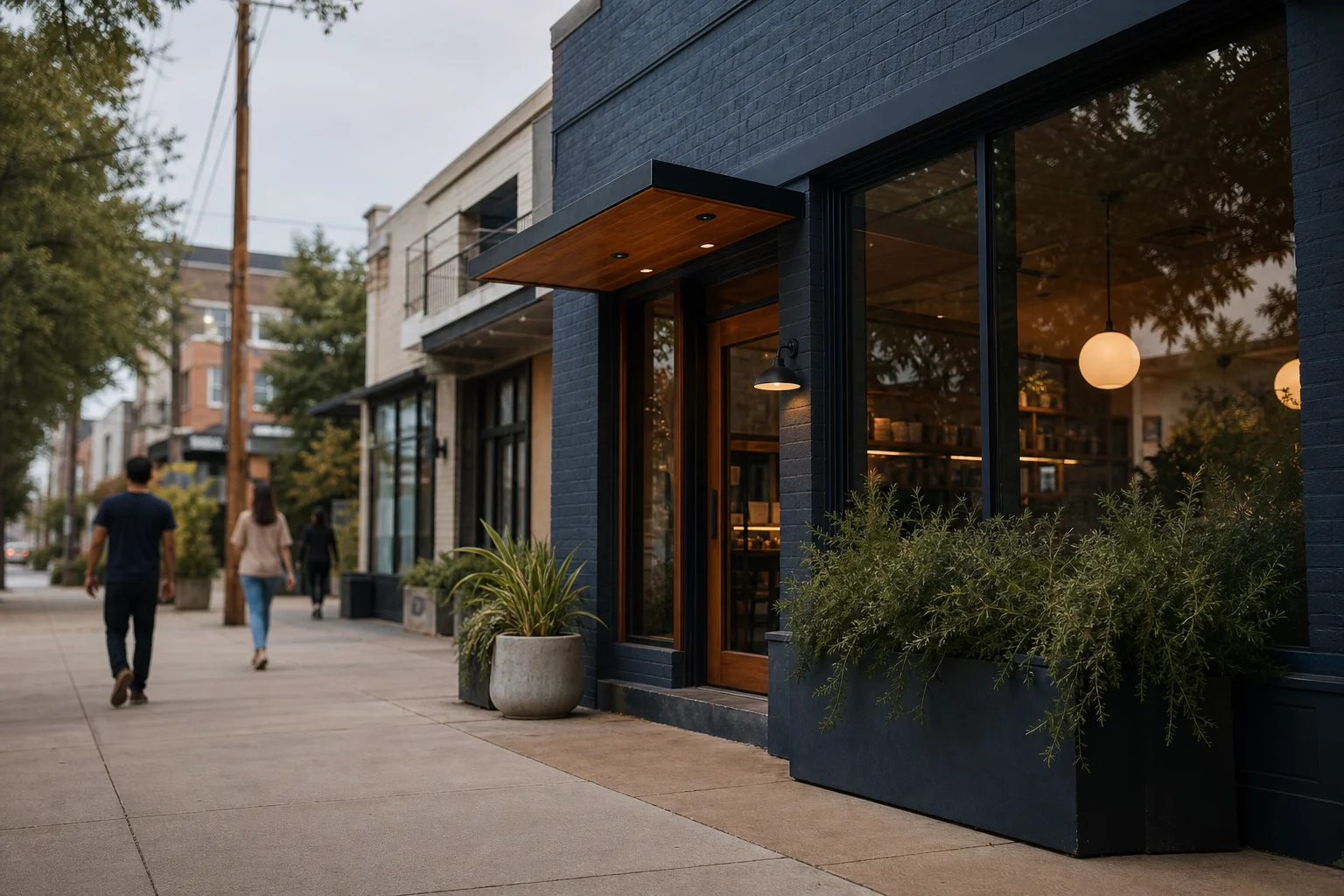
Main Startup Cost Categories
When planning to open a sandwich and deli shop in Boston, several key cost categories require consideration. These include rent and lease assumptions, buildout and equipment costs, payroll expenses, opening inventory, permits and licenses, and cash reserves for the initial launch period. Each category carries its own financial implications and requires thorough research and planning.
Rent and Lease Assumptions in Boston
Rent represents one of the largest startup costs for a sandwich and deli shop in Boston. According to Locavisor neighborhood scoring data, rent levels in Boston are medium-high, which significantly impacts your budget planning. The top three areas for opening a sandwich and deli shop in Boston offer different rent structures:
Quincy Center / North Quincy (7.8/10) — This area offers the most affordable option with rent roughly $30-50/sqft NNN. Quincy Center / North Quincy is your strongest bet — top-ranked at 7.8 overall with a near-perfect competitionFit (10) and rentFit (9.8). The corridor along Hancock St has strong lunch-daypart dynamics, Red Line transit access, and a dense residential base.
Assembly Row (Somerville) (6.6/10) — This premium mixed-use node has the highest rent band of the set, with expectations of roughly $65-95/sqft NNN. Assembly Row scores 6.6 overall — strong demand (6.9) and perfect competitionFit (10), but rentFit plummets to 2.9. This area features maxed-out walkability, daytime population, and retail anchor density.
East Boston (6.5/10) — Similar to Assembly Row, East Boston has rent expectations of roughly $65-95/sqft NNN. East Boston scores 6.5 overall — solid demand (6.3) and perfect competitionFit (10), but rentFit is low at 3.6. The Blue Line corridor has strong daytime population and residential density, with one existing deli operator (Sammy Carlo's Delicatessen, 4.7★, 212 reviews) about 650m from centroid.
Buildout, Equipment, Payroll, Opening Inventory, Permits, and Cash Reserve
Beyond rent, several other significant costs factor into opening a sandwich and deli shop in Boston. Buildout costs will depend on the condition of your space and the extent of renovations required. Equipment needs include refrigeration units, sandwich preparation stations, ovens, POS systems, and furniture.
Payroll expenses represent another major consideration, covering salaries for your initial staff during the launch phase. Opening inventory costs will vary based on your menu offerings and supplier relationships. Permits and licenses required in Boston include food service permits, health department certifications, and business licenses.
Cash reserves are critical for covering expenses before your sandwich and deli shop becomes profitable. Market temperature in Boston is promising, but competition density is medium, meaning you'll need sufficient capital to sustain operations until you establish a customer base. 
Lean vs Moderate vs Generous Launch Budgets
When planning your budget for opening a sandwich and deli shop in Boston, consider different approaches based on your financial resources:
A lean launch budget focuses on essential equipment and minimal buildout, potentially using a smaller space with lower rent. This approach requires careful selection of equipment and may limit your initial menu offerings.
A moderate launch budget allows for more comprehensive equipment, better buildout quality, and a more spacious location. This approach provides greater flexibility in menu development and customer experience.
A generous launch budget enables premium equipment, extensive buildout, a prime location, and robust marketing efforts. This approach maximizes your potential for immediate market presence but requires significantly more capital.
What to Validate Before Spending Money
Before committing significant funds to your sandwich and deli shop in Boston, validate several key assumptions:
Lease assumptions: Verify the terms of your lease agreement, including rent increases, maintenance responsibilities, and lease duration. Ensure the location aligns with your target customer demographics and foot traffic patterns.
Buildout scope: Confirm that your buildout plans comply with Boston's building codes and health department regulations. Obtain accurate quotes for construction and renovation work.
Equipment list: Validate that your equipment selections meet both your operational needs and Boston's health department requirements. Consider energy efficiency and maintenance costs.
Payroll model: Research Boston's minimum wage requirements and typical wage rates for food service staff. Factor in payroll taxes and benefits costs.
Opening inventory: Determine optimal inventory levels based on projected sales and supplier lead times. Establish relationships with reliable suppliers.
Cash reserve: Calculate your burn rate and determine how many months of operating expenses you need in reserve before becoming profitable.
Local professional review: Consult with local attorneys, accountants, and business advisors who understand Boston's specific requirements and market conditions.
FAQ
How much does it cost to open A Sandwich and Deli Shop in Boston?
The exact total cost to open a sandwich and deli shop in Boston cannot be estimated from the provided data. Startup costs vary significantly based on location, size, equipment quality, buildout requirements, and other factors. To determine your specific startup costs, you'll need to validate lease terms, obtain equipment quotes, research local labor costs, calculate inventory needs, account for permit fees, and establish an appropriate cash reserve based on your specific business model and market conditions.
Last reviewed: 2026-05-08
Sources: U.S. Census Bureau ACS, LEHD LODES, Google Places, OpenStreetMap, Locavisor neighborhood scoring.
Methodology: Locavisor scores neighborhoods across demand, competition fit, rent fit, accessibility, and customer match. Scores reflect a snapshot of recent data and should be combined with on-the-ground research before lease decisions.
Disclaimer: This article provides informational content only and does not constitute legal, financial, accounting, or real-estate advice. Verify lease terms, licensing, local regulations, costs, and professional requirements with qualified local professionals before making business decisions.
Free preview shows top 3 neighborhoods. Full $9.99 report covers all 10 areas with personalized scoring + 90-day check-ins.
Informational only. Verify lease, licensing, local regulations, costs, and professional requirements with qualified local professionals.