Charlotte, NC · sandwich and deli shop
Cost to open a sandwich and deli shop in Charlotte
Opening a sandwich and deli shop in Charlotte requires careful planning of startup costs. The cost to open a sandwich and deli shop in Charlotte varies based on location, size, and business model. Understanding these costs is crucial for setting realistic expectations and securing appropriate funding. Charlotte's food scene offers opportunities for sandwich and deli businesses, but success depends on thorough financial planning.
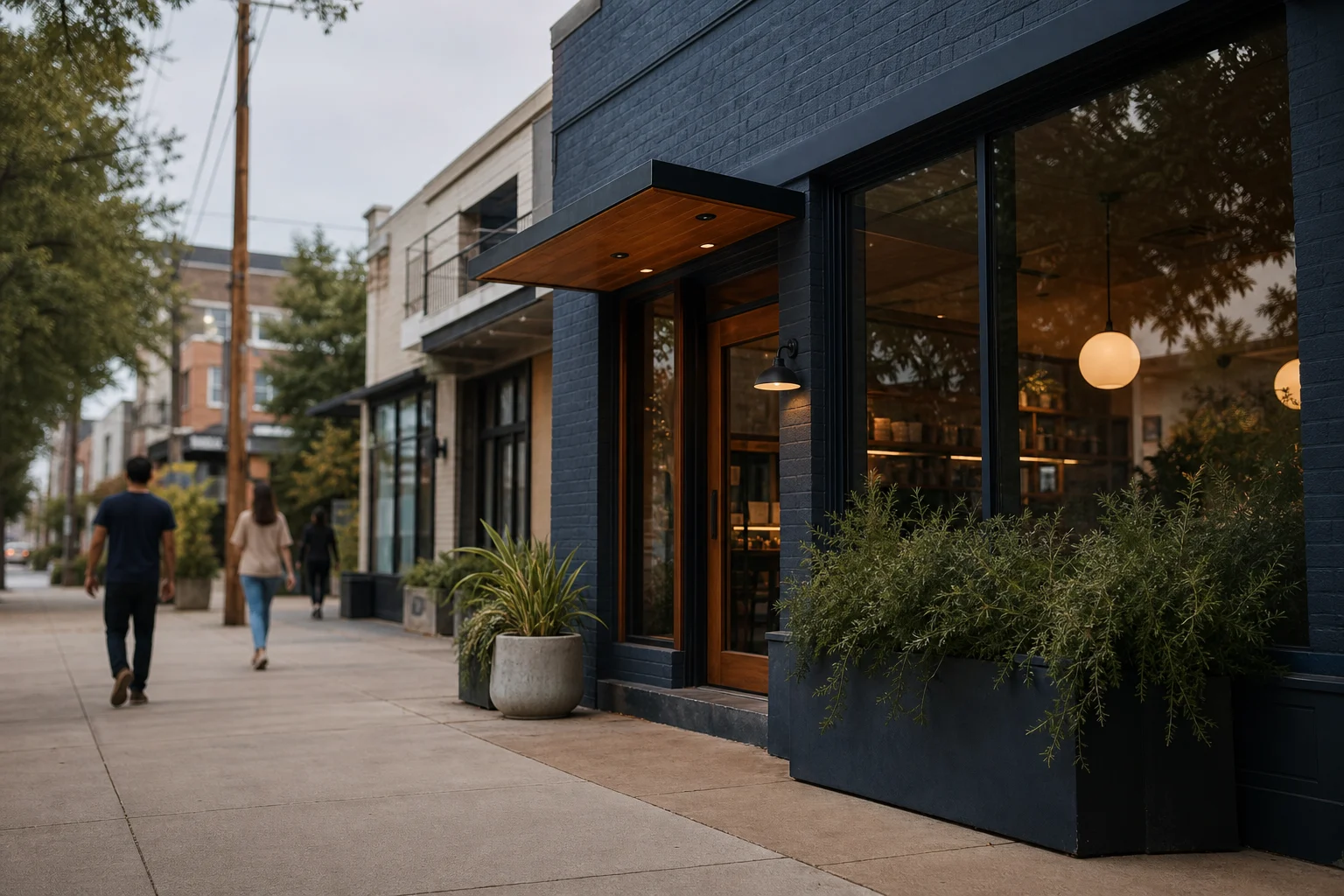
Main startup cost categories
The cost to open a sandwich and deli shop in Charlotte falls into several key categories. Each category requires careful consideration and budgeting. The main startup cost categories include rent and lease assumptions, buildout and equipment, payroll, opening inventory, permits and licenses, and cash reserves. Understanding these categories helps founders create a comprehensive financial plan.
Rent and lease assumptions in Charlotte
Rent represents one of the largest fixed costs for a sandwich and deli shop. Charlotte's rent level is medium-high, affecting overall startup costs. Locavisor neighborhood scoring identifies three top areas for sandwich-deli businesses:
Park Road / Madison Park (6.7/10) — Park Road / Madison Park is the strongest sandwich-deli play in Charlotte for a medium-budget operator. Office-index is near ceiling — expect roughly $45-70/sqft NNN. Park Road Shopping Center anchors the corridor with strong daytime worker density (~10,500 weekday lunch workers within 800m).
Camp North End (6.7/10) — Camp North End is an adaptive-reuse creative district with zero direct sandwich-deli competitors — a blue-ocean opportunity. Rent is more affordable at roughly $30-50/sqft NNN. The trade-off: the tourist/visitor index is near ceiling but the office-lunch captive audience is weaker than Park Road.
Optimist Park / Belmont (6.5/10) — Optimist Park / Belmont combines the highest office index in the dataset with Optimist Hall food hall as a major foot-traffic anchor. Rent is premium at roughly $65-95/sqft NNN — the highest of all five areas. No direct sandwich-deli competitors exist within the immediate area, but Optimist Hall itself is a food hall with diverse vendors (Suárez Bakery does sandwiches, Honeysuckle Gelato, etc.).
The market temperature in Charlotte is mixed, with medium competition density. These factors influence rent negotiations and overall cost structure. Founders should consider the specific characteristics of each area when evaluating lease options.
Buildout, equipment, payroll, opening inventory, permits, and cash reserve
Beyond rent, several significant costs require consideration. Buildout costs depend on the condition of the space and desired aesthetic. Equipment needs include sandwich preparation stations, refrigeration, point-of-sale systems, and furniture. Payroll costs vary based on staffing requirements and local wage standards.
Opening inventory encompasses ingredients, packaging supplies, and initial stock of prepared items. Permits and licenses include health department approvals, food handler certifications, and business registration fees. Cash reserves should cover at least three months of operating expenses to navigate the initial launch period.

Lean vs moderate vs generous launch budgets
Founders can approach startup costs with different budget philosophies. A lean budget minimizes initial investment but may limit growth potential. A moderate budget balances cost control with necessary investments. A generous budget allows for premium locations, extensive buildout, and comprehensive marketing.
The choice of budget affects the business's ability to weather challenges and capitalize on opportunities. Charlotte's medium-high rent level and mixed market temperature create cost pressures that budget decisions must address. Each approach has trade-offs that founders should carefully consider.
What to validate before spending money
Before committing significant funds, founders should validate several key assumptions. Lease assumptions require verification of foot traffic, competition analysis, and lease terms. Buildout scope needs professional assessment of existing conditions and renovation requirements.
Equipment requirements should be validated against operational needs and space constraints. Payroll models must account for local labor market conditions and staffing requirements. Opening inventory levels should align with projected demand and supplier capabilities.
Permit requirements vary by location and business type, requiring thorough research. Cash reserve needs should reflect realistic operating expense projections. Local professional review from attorneys, accountants, and industry experts provides valuable insights before finalizing financial commitments.
FAQ
How much does it cost to open A Sandwich and Deli Shop in Charlotte?
The exact total cost to open a sandwich and deli shop in Charlotte cannot be estimated from the provided data. Startup costs vary significantly based on location, size, business model, and operational choices. Founders should validate key variables including lease terms, buildout requirements, equipment needs, staffing levels, inventory requirements, permit costs, and cash reserve needs before developing a comprehensive financial plan. Locavisor neighborhood scoring provides location insights but does not constitute financial advice.
Last reviewed: 2026-05-08
Sources: U.S. Census Bureau ACS, LEHD LODES, Google Places, OpenStreetMap, Locavisor neighborhood scoring.
Methodology: Locavisor scores neighborhoods across demand, competition fit, rent fit, accessibility, and customer match. Scores reflect a snapshot of recent data and should be combined with on-the-ground research before lease decisions.
Disclaimer: This article provides informational content only and does not constitute legal, financial, accounting, or real-estate advice. Verify lease terms, licensing, local regulations, costs, and professional requirements with qualified local professionals before making business decisions.
Free preview shows top 3 neighborhoods. Full $9.99 report covers all 10 areas with personalized scoring + 90-day check-ins.
Informational only. Verify lease, licensing, local regulations, costs, and professional requirements with qualified local professionals.