Denver, CO · sandwich and deli shop
Cost to open a sandwich and deli shop in Denver
Opening a sandwich and deli shop in Denver presents unique cost considerations shaped by the city's competitive food scene, high demand for quick-service dining, and specific real estate dynamics. Denver's vibrant downtown and surrounding neighborhoods offer opportunities but come with significant upfront investments that founders must carefully evaluate. The cost structure varies dramatically depending on location, with prime areas commanding premium rents and requiring substantial buildout investments. Understanding these cost drivers helps founders make informed decisions about their business model and location strategy.
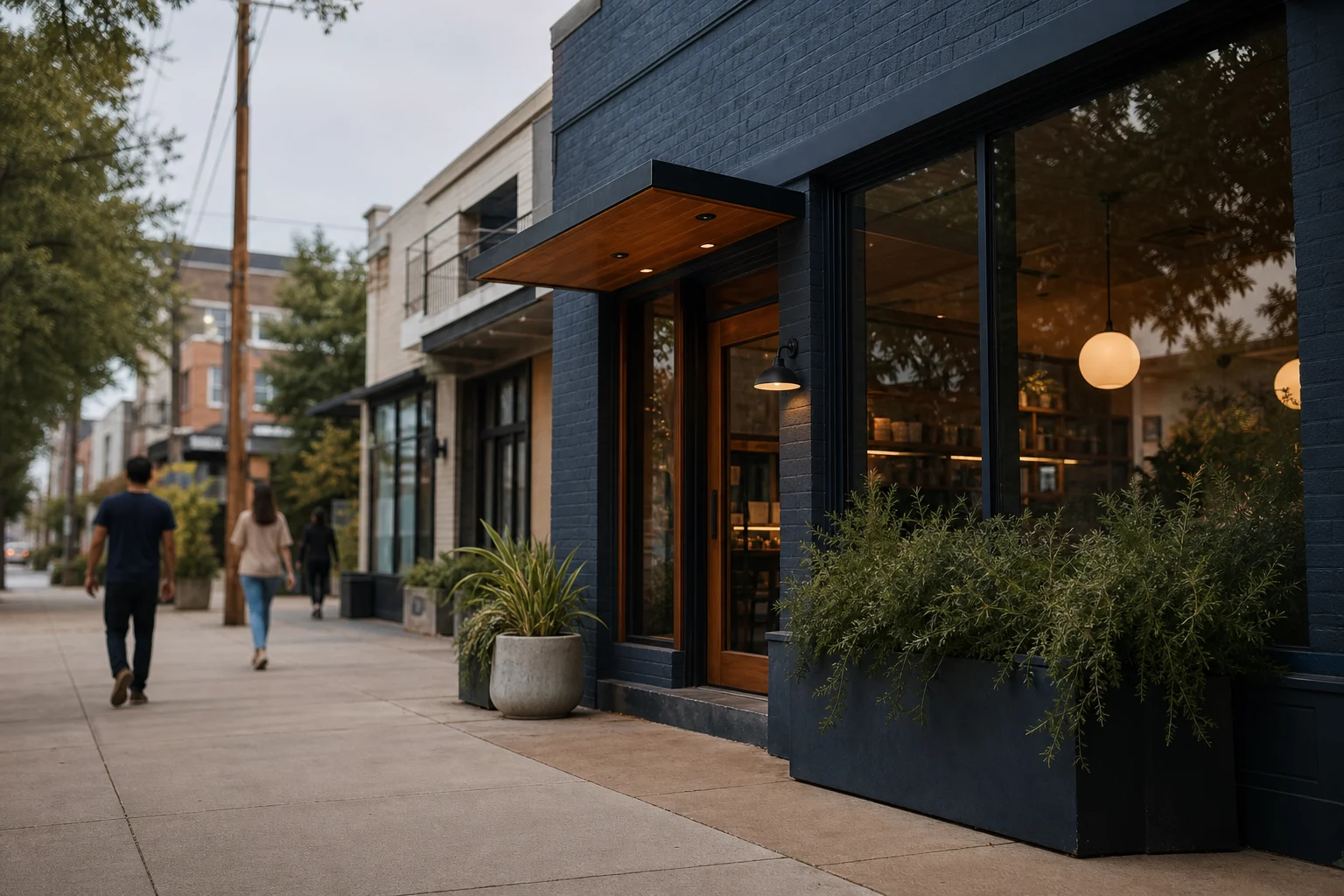
What does it cost to open a sandwich and deli shop in Denver?
The cost to open a sandwich and deli shop in Denver depends heavily on location, size, and operational model. Denver's food market is competitive, with established players like Snarf's Sandwiches, Ike's Love & Sandwiches, and Jimmy John's occupying prime real estate. Founders must account for lease deposits, tenant improvements, equipment purchases, licensing fees, and initial inventory-all while maintaining enough working capital to sustain operations during the critical early months. The city's diverse neighborhoods offer different cost structures, from premium downtown locations to more affordable options in developing areas.
Major cost categories
Lease deposit and first/last month
Securing a suitable location is often the largest upfront cost for a sandwich and deli shop in Denver. The city's top neighborhoods command varying rent bands that directly impact startup expenses. LoDo (Lower Downtown) and RiNo (River North Art District) both feature rent bands of $48/sqft/yr NNN, while Five Points and Baker offer more variable pricing between $26-$75/sqft/yr NNN. Cherry Creek represents the premium end at $75/sqft/yr NNN. Lease deposits typically equal one to three months' rent, with first and last month payments required before occupancy. Founders should budget for these costs alongside potential broker fees and security deposits that can add 10-20% to the total lease-related expenses. Negotiating favorable lease terms requires understanding Denver's commercial real estate market and being prepared to commit to longer lease durations for better rates.
Tenant improvements and buildout
Denver's commercial spaces often require significant tenant improvements to meet food service standards. The city's building codes and health department regulations mandate specific layouts, ventilation systems, and equipment installations. Buildout costs vary dramatically based on the condition of the space and the complexity of the design. In established neighborhoods like LoDo, where spaces may be older, founders should anticipate substantial renovation expenses to create a functional kitchen and dining area. Modern spaces in newer developments might require less structural work but could need extensive electrical and plumbing upgrades to accommodate commercial kitchen equipment. Health department requirements for food preparation, storage, and service areas add to the complexity and cost of buildout projects.
Equipment and furniture
A fully equipped sandwich and deli shop requires substantial capital investment in specialized equipment. Denver's health department requires commercial-grade refrigeration, food preparation surfaces, cooking equipment, and storage solutions. The specific needs depend on the menu offerings-whether the shop focuses on cold cuts, hot sandwiches, or specialty items. Furniture costs include seating, tables, counters, and display cases. Founders should research local suppliers and consider both new and used equipment options to manage costs while maintaining compliance with health and safety standards. Equipment choices impact both initial investment and long-term operational costs, with energy-efficient models potentially offering savings over time.
Licenses, permits, and insurance
Denver requires multiple licenses and permits for food service operations, including a business license, food service license, and potentially a liquor license if alcohol will be served. The city's Department of Environmental Health handles food service permits, while the Department of Revenue manages business licensing. Insurance costs include general liability, property insurance, and workers' compensation. These expenses, while smaller than real estate or equipment costs, represent essential budget items that founders must account for in their startup planning. Compliance with local regulations prevents costly fines and ensures smooth business operations from day one.
Initial inventory or supplies
Starting inventory for a sandwich and deli shop includes ingredients, packaging materials, and cleaning supplies. Denver's competitive market means founders must balance quality with cost efficiency. Specialty ingredients, bread, meats, cheeses, and produce represent ongoing costs that require careful budgeting. Packaging materials, napkins, utensils, and cleaning supplies add to the initial investment. Founders should work with local suppliers to establish relationships that can provide favorable terms and reliable delivery schedules. Inventory management systems help track stock levels and reduce waste, contributing to better cost control.
Pre-opening payroll and training
Hiring and training staff before opening requires careful cash flow management. Denver's competitive labor market means founders must offer competitive wages to attract qualified employees. Pre-opening payroll includes salaries for the founder and any early hires, plus training costs. The city's minimum wage requirements and potential tip credits for service staff impact payroll calculations. Founders should budget for at least a variable local timeline of payroll before opening to ensure smooth operations from day one. Training programs ensure staff can deliver consistent quality and service, which is crucial for customer retention in Denver's competitive food scene.
Working capital reserve
A working capital reserve is critical for sandwich and deli shop survival in Denver's competitive market. This reserve covers unexpected expenses, slow periods, and operational costs before the business becomes profitable. Industry experts recommend having at least three to six months of operating expenses in reserve. Denver's seasonal variations and competitive landscape make this reserve particularly important for new businesses trying to establish customer loyalty and market share. The reserve provides flexibility to adapt to market changes and invest in growth opportunities as they arise.
How Denver compares to other CO markets
Denver's startup costs for sandwich and deli shops differ significantly from other Colorado markets. The Front Range cities of Boulder, Colorado Springs, and Fort Collins offer different rent structures and market dynamics. Denver's downtown core commands premium pricing, while suburban areas provide more affordable options. The city's density and foot traffic justify higher rents in prime locations, but founders must carefully evaluate whether the revenue potential justifies the increased costs. Comparing Denver to other markets helps founders understand the local cost structure and make informed location decisions. For example, Boulder's Pearl Street Mall offers high foot traffic but comes with premium rents, while Colorado Springs provides more affordable options with growing demand.
What competition looks like in the top areas
Denver's top neighborhoods for sandwich and deli shops feature established competition that founders must analyze carefully. LoDo (Lower Downtown) hosts multiple operators including Snarf's Sandwiches, Ike's Love & Sandwiches, Jimmy John's, Yampa Sandwich Co., Krave It Pizza & Sandwich Joint & Bar, Heidi's Brooklyn Deli, Potbelly, Subway, and STACK Subs Denver. Five Points features Rosenberg's Bagels & Delicatessen, Curtis Park Delicatessen, and Duke's Good Sandwiches & Burgers. This density means new entrants must differentiate themselves through menu, service, or unique value proposition. Customer reviews highlight the importance of quick service, fair pricing, and quality-factors that can help new businesses stand out in crowded markets. Understanding competitor strengths and weaknesses helps founders position their business effectively.
Common cost overrun patterns
Several cost overrun patterns frequently impact sandwich and deli shop startups in Denver. Underestimating buildout costs is common, especially in older buildings that require unexpected structural upgrades. Equipment purchases often exceed budgets when founders discover the need for specialized or commercial-grade items not accounted for in initial planning. Rent negotiations can lead to higher-than-expected costs if founders don't fully understand triple net leases (NNN) that include property taxes, insurance, and maintenance. Inventory management challenges frequently cause cash flow issues as founders stock too much or too little of certain items. These patterns highlight the importance of detailed planning and contingency budgeting. Founders who anticipate these common pitfalls can better manage their startup costs and improve their chances of success.
How to validate your number before committing capital
Validating startup costs requires thorough research and due diligence. Founders should obtain detailed lease proposals that include all fees and responsibilities. Consulting with local contractors and equipment suppliers provides realistic buildout and equipment cost estimates. Speaking with existing sandwich and deli shop owners in Denver offers valuable insights into actual operating expenses. Reviewing city permits and licensing requirements ensures no hidden costs are overlooked. Creating detailed financial projections with multiple scenarios helps founders understand the range of potential outcomes and make informed decisions about their investment. Locavisor research and Google Places data on existing businesses provide additional context for these validation efforts.
| Cost Category | Key Considerations in Denver | Typical Range (NNN) | Notes |
|---|---|---|---|
| Working Capital | a variable local timeline operating expenses | 20-30% of total startup | Critical for survival |

FAQ
Q: What are the most affordable neighborhoods in Denver to open a sandwich and deli shop?
A: Five Points and Baker offer more affordable rent options with bands between $26-$75/sqft/yr NNN, compared to LoDo and RiNo at $48/sqft/yr NNN or Cherry Creek at $75/sqft/yr NNN. These neighborhoods provide opportunities for cost-conscious founders while still offering access to foot traffic and customers. Five Points, with a score of 7.2/10, balances affordability with good location factors including proximity to 16th Street and multiple transit options.
Q: How important is location within Denver for a sandwich and deli shop's success?
A: Location significantly impacts success. Neighborhoods like LoDo (score 7.9/10) and RiNo (score 7.6/10) offer higher foot traffic and visibility but come with premium rents. Founders must balance location costs against potential revenue, considering factors like nearby offices, schools, and transit access when making location decisions. LoDo's anchors including Union Station and the University of Colorado Denver provide consistent customer bases.
Q: What should I look for in a commercial lease for a sandwich and deli shop in Denver?
A: Look for clear terms on triple net (NNN) expenses, lease duration, renewal options, and any restrictions on food service operations. Ensure the space meets Denver's health department requirements for commercial kitchens and has adequate utilities. Consider nearby competition and customer demographics when evaluating location suitability. Verify that the space can accommodate your specific equipment needs and has proper ventilation for food preparation.
Last reviewed: 2026-05-30
Sources: U.S. Census Bureau ACS, LEHD LODES, Google Places, OpenStreetMap, Locavisor neighborhood scoring.
Methodology: Locavisor scores neighborhoods across demand, competition fit, rent fit, accessibility, and customer match. Scores reflect a snapshot of recent data and should be combined with on-the-ground research before lease decisions.
Disclaimer: This article provides informational content only and does not constitute legal, financial, accounting, or real-estate advice. Verify lease terms, licensing, local regulations, costs, and professional requirements with qualified local professionals before making business decisions.
Free preview shows top 3 neighborhoods. Full $9.99 report covers all 10 areas with personalized scoring + 90-day check-ins.
Informational only. Verify lease, licensing, local regulations, costs, and professional requirements with qualified local professionals.