Detroit, MI · sandwich and deli shop
Cost to open a sandwich and deli shop in Detroit
Opening a sandwich and deli shop in Detroit requires careful financial planning. The Motor City presents unique opportunities and challenges for food entrepreneurs. Understanding the cost structure is critical before committing capital. Detroit's commercial real estate market, local competition, and regulatory environment all impact startup expenses.
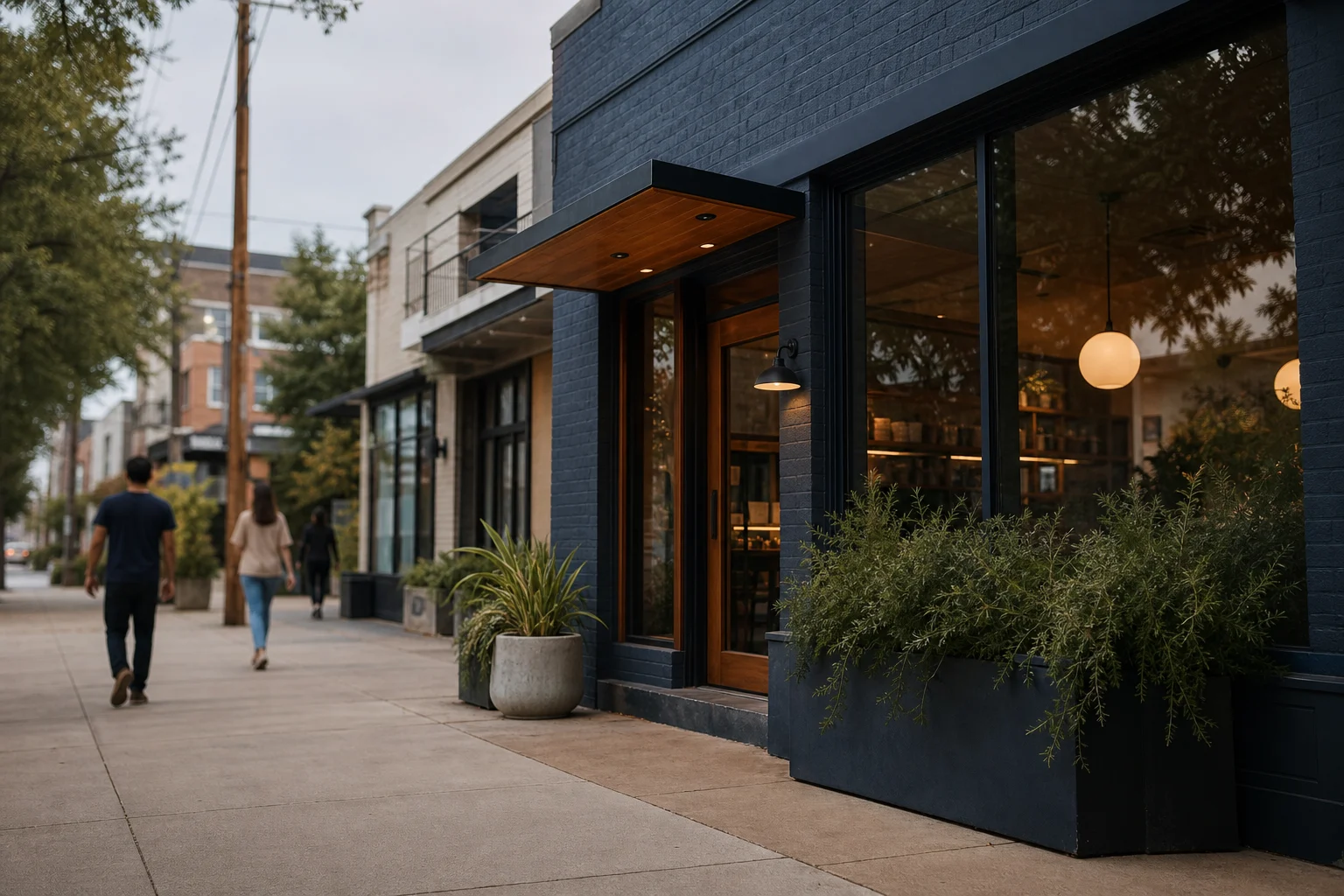
What does it cost to open a sandwich and deli shop in Detroit?
The cost to open a sandwich and deli shop in Detroit varies significantly based on location, size, and concept. Detroit offers competitive commercial rents compared to other major cities, with prime locations in neighborhoods like Lafayette Park and Downtown Detroit commanding rent bands of $11-$29/sqft/yr NNN. These areas attract foot traffic from office workers, students, and tourists, but come with higher lease costs. The actual startup costs depend on multiple factors including lease deposits, buildout expenses, equipment purchases, licensing fees, and initial inventory. Entrepreneurs must account for these variables when creating their business plan.
Major cost categories
Lease deposit and first/last month
Tenant improvements and buildout
Converting a raw space into a functional deli requires substantial investment in tenant improvements. Detroit's older buildings may need electrical upgrades, plumbing modifications, and HVAC improvements. The condition of the space dramatically impacts costs - a "turnkey" location with existing infrastructure costs far less than a shell space requiring complete buildout. Entrepreneurs should budget for permits, contractor fees, and materials. The type of concept (fast-casual vs. full-service) also affects buildout complexity and expense.
Equipment and furniture
A sandwich and deli shop requires specialized equipment including refrigeration, prep tables, ovens, POS systems, and seating. Quality commercial equipment represents a major capital expense. Entrepreneurs must balance initial investment with long-term durability and energy efficiency. Used equipment can reduce costs but may increase maintenance expenses. Furniture selection impacts both customer experience and operational flow.
Licenses, permits, and insurance
Detroit requires various licenses and permits for food establishments, including health department permits, business licenses, and potentially alcohol permits if serving beer or wine. Insurance costs include general liability, property insurance, and workers' compensation. These expenses vary based on location, size, and coverage levels. Entrepreneurs should consult with local authorities early in the planning process to understand all regulatory requirements.
Initial inventory or supplies
Starting inventory includes ingredients, packaging, cleaning supplies, and marketing materials. The variety of menu items directly impacts initial inventory costs. Fresh ingredients require careful purchasing and inventory management to minimize waste. Suppliers may offer startup discounts or payment terms that can ease cash flow pressures.
Pre-opening payroll and training
Hiring and training staff before opening requires capital. This includes wages for the owner and initial employees during setup and training periods. Training programs ensure consistent quality and service standards. Entrepreneurs should budget for this period when cash flow is negative but expenses are ongoing.
Working capital reserve
A working capital reserve is essential for covering operational expenses during the early months when revenue may be below projections. Experts recommend having a variable local timeline of operating capital available. This reserve provides flexibility to adjust to market conditions and unexpected expenses without jeopardizing the business.
How Detroit compares to other MI markets
Detroit's commercial real estate costs are generally more affordable than Michigan's other major markets. Ann Arbor and Grand Rapids typically have higher rent bands, while smaller cities may offer lower costs but reduced foot traffic. Detroit's downtown revitalization has created competitive rental markets in prime locations, but still offers value compared to coastal cities. The city's tax incentives for small businesses and food entrepreneurs can offset some costs. Entrepreneurs should compare Detroit's market conditions with their target customer base and revenue projections.
What competition looks like in the top areas
Detroit's top neighborhoods for sandwich and deli shops feature established competitors. In Lafayette Park, businesses like Birmingham Deli (4.1 stars, 32 reviews) and Subway (3.5 stars, 75 reviews) operate in the $$$$ price range. Downtown Detroit hosts multiple options including Potbelly (3.6 stars, 229 reviews), Terrace Café & Deli (4.9 stars, 28 reviews), Jimmy John's (3.6 stars, 136 reviews), and Frank's Deli in the Buhl (4.7 stars, 56 reviews). Corktown features Mudgie's Deli and Wine Shop (4.5 stars, 1944 reviews) as a notable competitor. These establishments demonstrate the market saturation and customer expectations in Detroit's prime locations.
Common cost overrun patterns
Entrepreneurs often underestimate several cost categories. Buildout expenses frequently exceed initial budgets due to unexpected structural issues or regulatory requirements. Equipment costs can escalate when replacing budget options with commercial-grade alternatives. Inventory waste during the learning curve period impacts cash flow. Many founders overlook marketing expenses needed to build initial customer awareness. Permitting delays can extend the pre-opening timeline and increase holding costs. Working capital depletion is a common challenge during the first six months of operation.
How to validate your number before committing capital
Validating cost assumptions requires thorough research. Entrepreneurs should:
- Obtain multiple lease quotes in target neighborhoods
- Get detailed buildout estimates from contractors
- Research equipment costs from multiple suppliers
- Consult with local health department about permit requirements
- Interview existing deli owners about operational expenses
- Create detailed cash flow projections
- Build in contingency funds (typically 15-20% of total estimated costs)
The following table compares key cost factors across Detroit's top neighborhoods for sandwich and deli shops:
| Neighborhood | Score | Rent Band | Key Competitors | Transit Access |
|---|---|---|---|---|
| Lafayette Park | 7.7/10 | $11-$29/sqft/yr NNN | Birmingham Deli, Subway | Rosa Parks Transit Center, I-375 & Lafayette |
| Downtown Detroit | 7.7/10 | $11-$29/sqft/yr NNN | Potbelly, Terrace Café & Deli, Jimmy John's, Frank's Deli | Rosa Parks Transit Center, Michigan Avenue People Mover |
| Greektown | 7.6/10 | $11-$29/sqft/yr NNN | (no specific delis listed) | Greektown Transit, Broadway Street People Mover |
| Eastern Market | 6.9/10 | $11-$29/sqft/yr NNN | (no specific delis listed) | Michigan Avenue People Mover, Rosa Parks Transit Center |
| Corktown | 6.8/10 | $11-$29/sqft/yr NNN | Mudgie's Deli and Wine Shop | Michigan Central, Michigan Central Station |

FAQ
What are the most affordable neighborhoods for a sandwich and deli shop in Detroit?
Eastern Market (score 6.9/10) and Corktown (score 6.8/10) offer slightly lower scores but still competitive rent bands of $11-$29/sqft/yr NNN. These areas may have lower foot traffic than Lafayette Park or Downtown Detroit but come with more affordable lease costs. Entrepreneurs should evaluate the trade-off between rent savings and potential revenue differences.
How does Detroit's regulatory environment impact startup costs?
Detroit requires standard food service permits including health department approval, business licensing, and potentially alcohol permits. The city has streamlined some processes for small businesses, but entrepreneurs should budget for inspection fees and potential modifications to meet code requirements. Insurance costs vary based on location and coverage needs.
What's the typical timeline from planning to opening?
The timeline varies based on lease negotiations, buildout complexity, and permitting processes. Entrepreneurs should allow a variable local timeline from concept finalization to opening. Lease negotiations and buildout typically take a variable local timeline, while permitting and equipment installation require additional time. Rushing the process often leads to cost overruns and operational issues.
Last reviewed: 2026-05-30
Sources: U.S. Census Bureau ACS, LEHD LODES, Google Places, OpenStreetMap, Locavisor neighborhood scoring.
Methodology: Locavisor scores neighborhoods across demand, competition fit, rent fit, accessibility, and customer match. Scores reflect a snapshot of recent data and should be combined with on-the-ground research before lease decisions.
Disclaimer: This article provides informational content only and does not constitute legal, financial, accounting, or real-estate advice. Verify lease terms, licensing, local regulations, costs, and professional requirements with qualified local professionals before making business decisions.
Free preview shows top 3 neighborhoods. Full $9.99 report covers all 10 areas with personalized scoring + 90-day check-ins.
Informational only. Verify lease, licensing, local regulations, costs, and professional requirements with qualified local professionals.