Los Angeles, CA · sandwich and deli shop
Cost to open a sandwich and deli shop in Los Angeles
Los Angeles presents a unique cost landscape for sandwich and deli shop founders. The city's high real estate values, competitive labor market, and dense urban environment create specific financial pressures that differ from other California markets. Understanding these cost drivers is essential before committing capital to a new venture.
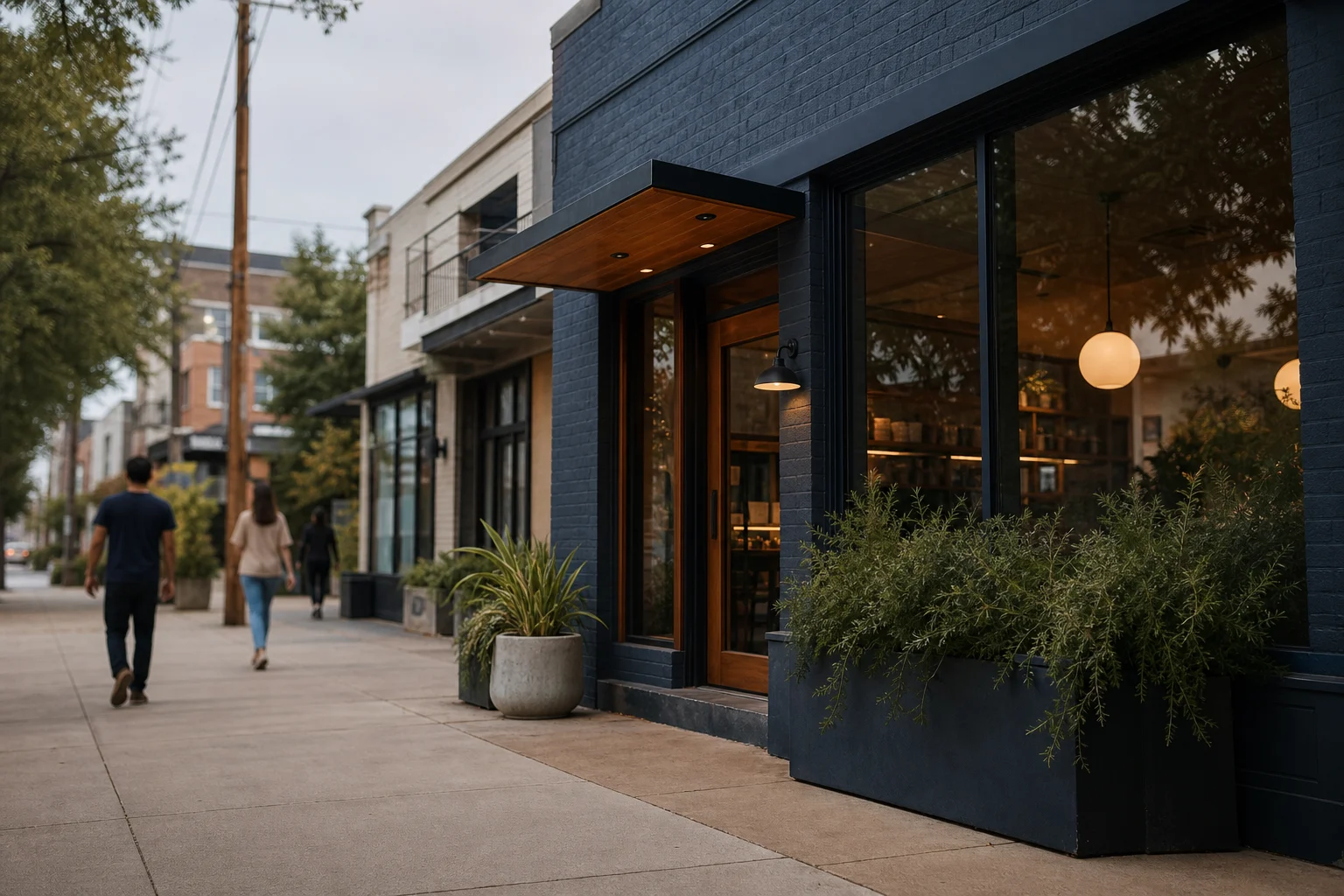
What does it cost to open a sandwich and deli shop in Los Angeles?
The cost to open a sandwich and deli shop in Los Angeles varies significantly based on location, size, and operational model. Unlike many other markets, Los Angeles demands careful consideration of real estate expenses, which often represent the largest upfront investment. The city's diverse neighborhoods offer different rent structures, foot traffic patterns, and customer demographics that directly impact startup costs and ongoing operational expenses.
Major cost categories
Lease deposit and first/last month
Securing commercial space in Los Angeles requires substantial upfront capital. Most landlords expect first month's rent, last month's rent, and a security deposit, typically equal to one to three months' rent. In prime areas like Downtown LA, this can represent a significant portion of your initial capital. The rent bands in Los Angeles typically range from $32-$450/sqft/yr NNN, with Downtown LA commanding the higher end of this spectrum at $32-$450/sqft/yr NNN. This wide range reflects the city's diverse commercial real estate market, from established business districts to emerging neighborhoods.
Tenant improvements and buildout
Converting raw or previously used commercial space into a functional sandwich and deli shop requires significant investment in tenant improvements. This includes plumbing for food preparation areas, electrical work for kitchen equipment, HVAC systems, and interior finishes. The condition of the space you lease directly impacts these costs-older buildings may require more extensive renovations, while newer spaces might need only cosmetic updates. In neighborhoods like Culver City, where rent bands are $32-$450/sqft/yr NNN, the buildout costs can vary dramatically based on the existing condition of available properties.
Equipment and furniture
Outfitting a sandwich and deli shop requires specialized equipment that meets health and safety standards. This includes refrigeration units, food preparation tables, cooking equipment, point-of-sale systems, and customer seating. The scale of your operation determines the scope of equipment needed. A full-service deli with prepared foods will require more extensive kitchen equipment than a simple sandwich shop focusing on made-to-order items. Equipment costs can represent 15-25% of total startup expenses, though exact figures depend on your specific menu and service model.
Licenses, permits, and insurance
Operating a food service business in Los Angeles requires multiple licenses and permits from city and county agencies. These include health department permits, business licenses, and potentially conditional use permits depending on your location. Insurance is another critical expense, including general liability, property insurance, and workers' compensation coverage. The permitting process can be time-consuming and may require professional assistance, adding to your startup costs.
Initial inventory or supplies
Stocking your sandwich and deli shop with initial inventory requires capital for food ingredients, packaging materials, and cleaning supplies. The amount needed depends on your menu complexity and projected opening sales volume. Fresh ingredients, especially high-quality meats and cheeses, represent ongoing costs that impact cash flow. Many successful operators recommend having at least a variable local timeline of inventory on hand at opening to avoid stockouts during the critical early months.
Pre-opening payroll and training
Hiring and training staff before opening is essential for a smooth launch. This includes salaries or wages for your team during the pre-opening period, as well as training materials and possibly external training programs. In Los Angeles's competitive labor market, offering competitive wages is crucial for attracting and retaining quality employees. The pre-opening payroll investment ensures your team is ready to deliver consistent service from day one.
Working capital reserve
Beyond startup costs, maintaining a working capital reserve is vital for covering operational expenses during the early months when revenue may be inconsistent. Most financial advisors recommend having a variable local timeline of operating expenses in reserve. This buffer helps manage cash flow challenges and unexpected expenses that commonly occur during the first year of operation.
How Los Angeles compares to other CA markets
Los Angeles presents different cost dynamics compared to other major California markets. While San Francisco has higher rent bands in prime locations, Los Angeles offers a more diverse range of commercial spaces at various price points. San Diego's cost structure is generally lower, while Orange County presents a middle ground. The key difference in Los Angeles is the extreme variation between neighborhoods-Downtown LA at $32-$450/sqft/yr NNN versus more affordable areas on the city's periphery. This geographic diversity allows founders to find locations that match their budget while still accessing significant customer bases.
What competition looks like in the top areas
The top neighborhoods for sandwich and deli shops in Los Angeles, according to Locavisor research, include Downtown LA (score 7.7/10), Burbank (7.6/10), Culver City (7.4/10), Sawtelle Japantown (7.3/10), and Studio City (7.0/10). Each of these areas has established players and distinct competitive dynamics.
In Downtown LA, the market is saturated with established chains and local favorites. Businesses like Mendocino Farms (4.4 stars, 405 reviews), Marie's Coffee & Deli (4.7 stars, 343 reviews), and Ike's Love & Sandwiches (4.4 stars, 78 reviews) compete for the lunch crowd. The presence of major anchors like FIGat7th mall and The Bloc creates high foot traffic but also intense competition. Rent bands in this area are $32-$450/sqft/yr NNN, reflecting the premium location.
Burbank offers a different competitive landscape with businesses like Baked Pizza and Sandwiches (4.7 stars, 233 reviews) serving the local community. The area's anchors include Burbank Town Center and Regus office spaces, creating a customer base of both residents and office workers. Rent bands remain consistent at $32-$450/sqft/yr NNN, though actual rates may be more moderate than prime Downtown locations.
Culver City presents opportunities for independent operators, with Jackson Market and Deli (4.6 stars, 1432 reviews) and Potato Chips Deli Culver City (4.1 stars, 84 reviews) establishing strong local reputations. The neighborhood's mix of offices, schools, and residential areas creates diverse customer segments. Rent bands are $32-$450/sqft/yr NNN, with many spaces offering more favorable terms than prime Downtown locations.
Common cost overrun patterns
Several cost overruns frequently impact sandwich and deli shop startups in Los Angeles. Underestimating buildout costs is common, especially when dealing with older properties that require unexpected repairs or upgrades to meet health codes. Many founders also overlook the time value of money during the permitting process, which can extend timelines and increase holding costs.
Another frequent issue is equipment overspending. The temptation to purchase top-of-the-line commercial kitchen equipment can quickly exceed budget, while cheaper alternatives may not withstand the demands of a busy sandwich shop. Finding the right balance between quality and cost requires careful research and potentially consulting with experienced operators.
Inventory mismanagement represents another common pitfall. Overstocking perishable items leads to waste, while understocking can disappoint customers and harm your reputation. The high cost of quality ingredients in Los Angeles makes this balance particularly critical.
How to validate your number before committing capital
Before committing significant capital, founders should validate their cost assumptions through several methods. First, obtain multiple commercial real estate quotes to understand the true range of available spaces and their associated costs. This includes not just rent but also common area maintenance (CAM) fees and property taxes that impact net effective rent.
Second, consult with local contractors and equipment suppliers to get realistic buildout and equipment quotes. Many suppliers offer leasing options that can preserve cash flow while still accessing necessary equipment. Third, talk to existing operators in your target neighborhoods-businesses like Mendocino Farms or Jackson Market and Deli can provide insights into hidden costs and operational realities.
Fourth, create detailed cash flow projections that account for seasonal variations and potential slow periods. Los Angeles has distinct business cycles that impact customer traffic, particularly in office-heavy neighborhoods. Finally, maintain flexibility in your budget to accommodate unexpected expenses, which are particularly common in a complex market like Los Angeles.
Neighborhood Comparison: Top 5 Areas for Sandwich and Deli Shops
| Neighborhood | Locavisor Score | Rent Band | Key Anchors | Competition Density |
|---|---|---|---|---|
| Downtown LA | 7.7/10 | $32-$450/sqft/yr NNN | FIGat7th, The Bloc, Cal State LA | High (Mendocino Farms, Marie's Coffee & Deli, Ike's Love & Sandwiches) |
| Burbank | 7.6/10 | $32-$450/sqft/yr NNN | Burbank Town Center, Regus | Medium (Baked Pizza and Sandwiches) |
| Culver City | 7.4/10 | $32-$450/sqft/yr NNN | West Los Angeles College, Culver City transit | Medium (Jackson Market and Deli, Potato Chips Deli) |
| Sawtelle Japantown | 7.3/10 | $32-$450/sqft/yr NNN | Sawtelle Centre, Japanese Institute | Low-Medium |
| Studio City | 7.0/10 | $32-$450/sqft/yr NNN | Studio City Plaza, Universal City/Studio City Station | Low-Medium |

FAQ
Q: What are the most affordable neighborhoods for a sandwich and deli shop in Los Angeles?
A: While all top neighborhoods have rent bands of $32-$450/sqft/yr NNN, Studio City (score 7.0/10) and Sawtelle Japantown (7.3/10) often offer more moderate actual rates compared to prime Downtown LA. These areas provide good foot traffic without the extreme premium of the city's core business districts.
Q: How do I choose between leasing new versus existing restaurant space?
A: New spaces offer modern infrastructure but may require significant tenant improvements. Existing restaurant spaces can reduce buildout costs but may have layout limitations or require health department approvals for new use. In Los Angeles, the condition of the space and its compliance with current health codes are critical factors.
Q: What permits are absolutely essential for a sandwich and deli shop in Los Angeles?
A: Essential permits include a Los Angeles County Health Department food service permit, a Los Angeles business tax registration, and potentially a conditional use permit depending on your location. The Department of Building and Safety will also need to approve any structural changes during your buildout.
Q: How much working capital should I reserve for the first year?
A: Most financial advisors recommend a variable local timeline of operating expenses as a working capital reserve. In Los Angeles's competitive market, having additional reserve funds can provide flexibility during unexpected challenges or slower-than-expected revenue periods.
Q: Are there any neighborhood-specific cost considerations I should know?
A: Yes, each neighborhood has unique factors. Downtown LA has higher foot traffic but also higher competition and potentially higher security costs. Burbank offers a more suburban customer base with different spending patterns. Culver City's mix of creative offices and residential areas creates diverse demand throughout the day.
Last reviewed: 2026-05-30
Sources: U.S. Census Bureau ACS, LEHD LODES, Google Places, OpenStreetMap, Locavisor neighborhood scoring.
Methodology: Locavisor scores neighborhoods across demand, competition fit, rent fit, accessibility, and customer match. Scores reflect a snapshot of recent data and should be combined with on-the-ground research before lease decisions.
Disclaimer: This article provides informational content only and does not constitute legal, financial, accounting, or real-estate advice. Verify lease terms, licensing, local regulations, costs, and professional requirements with qualified local professionals before making business decisions.
Free preview shows top 3 neighborhoods. Full $9.99 report covers all 10 areas with personalized scoring + 90-day check-ins.
Informational only. Verify lease, licensing, local regulations, costs, and professional requirements with qualified local professionals.