New York, NY · sandwich and deli shop
Cost to open a sandwich and deli shop in New York
Opening a sandwich and deli shop in New York requires careful planning of startup costs. The cost to open a sandwich and deli shop in New York varies significantly based on location, scale, and operational approach. New York's high rent level and mixed market temperature create both opportunities and challenges for new sandwich and deli ventures. Understanding the practical startup-cost stack is essential for founders looking to enter this competitive market.
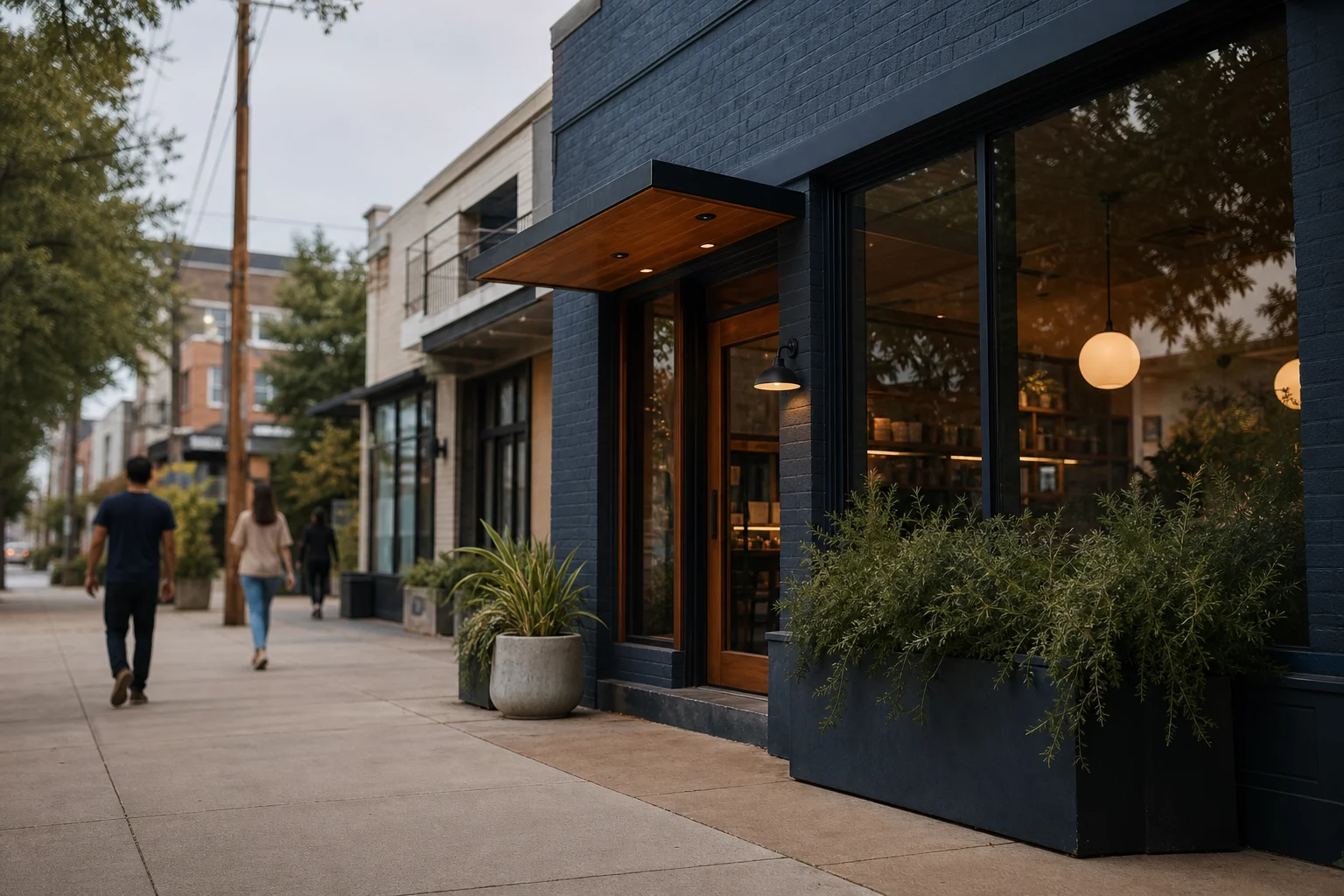
Main startup cost categories
The cost structure for opening a sandwich and deli shop in New York includes several key components. Rent typically represents the largest fixed expense, followed by buildout costs, equipment purchases, payroll, opening inventory, permits, and cash reserves. Each category requires careful consideration and validation before committing significant capital. Market conditions in New York, particularly the high rent level and medium competition density, create cost pressures that founders must navigate strategically.
Rent and lease assumptions in New York
Rent in New York for a sandwich and deli shop sits at a high level, significantly impacting startup costs. Locavisor neighborhood scoring identifies three top areas for consideration, each with distinct advantages and challenges.
Murray Hill (6.3/10) stands as the strongest overall pick for a sandwich-deli in NYC. This area features maxed-out office density, near-perfect lunch daypart, and a dense young-professional residential base. The catch is trophy-level rent: expect roughly $90-140/sqft NNN. Approximately 10,500 weekday lunch workers are within 800m of potential locations here.
Tribeca (6.2/10) offers strong office density, high affluence, and excellent walkability. Rent reaches the absolute ceiling in this neighborhood, with the same $90-140/sqft NNN range. Existing competition includes Stage Door Delicatessen (4.5★, 1,845 reviews) and Pisillo Italian Panini (4.8★, 1,781 reviews), providing both market validation and competitive benchmarks.
Times Square / Theater District (6.1/10) presents unmatched pedestrian volume and transit connectivity. However, the customer base is 90% tourists and theater-goers—a known failure mode for sandwich shops that depend on weekday lunch repeat business. Rent remains trophy-tier at roughly $90-140/sqft NNN. No direct sandwich-deli competitors were found in the immediate area, though the audience mismatch represents a significant risk.
Buildout, equipment, payroll, opening inventory, permits, and cash reserve
Buildout costs for a sandwich and deli shop in New York vary based on the condition of the space and the scope of renovations. The high rent level in top areas often correlates with spaces that may require substantial investment to meet food service standards and operational needs.
Equipment represents another major cost category. A sandwich and deli shop requires specialized equipment including refrigeration units, sandwich preparation stations, ovens, slicers, and point-of-sale systems. The efficiency and capacity of this equipment directly impact operational costs and service quality.
Payroll considerations include not just initial hiring but also training costs and potential overtime during the launch phase. The dense professional base in areas like Murray Hill suggests a potential labor pool, but competition for skilled workers may drive up wage expectations.
Opening inventory must balance variety with cost efficiency. Fresh ingredients, bread, meats, cheeses, and specialty items all contribute to initial inventory costs. The high rent level in prime locations creates pressure to maximize inventory turnover from day one.
Permits and licensing represent both direct costs and time investments. New York's regulatory environment requires careful navigation to ensure compliance with health, safety, and business licensing requirements. The mixed market temperature suggests varying levels of regulatory scrutiny across different neighborhoods.
Cash reserves are critical for weathering the initial period when revenue may not cover all expenses. The high fixed costs in New York, particularly rent, make adequate cash reserves essential for long-term viability.

Lean vs moderate vs generous launch budgets
Founders must consider their approach to launch budgets carefully. A lean launch minimizes fixed costs and focuses on core offerings, reducing initial investment but potentially limiting market positioning. A moderate launch balances cost control with sufficient investment to create a compelling customer experience. A generous launch maximizes initial investment in location, equipment, and staffing, creating a strong market presence but requiring higher revenue targets to achieve profitability.
The medium competition density in New York suggests opportunities for differentiation regardless of budget approach. However, the high rent level creates pressure for rapid revenue generation, particularly in premium locations like Murray Hill and Tribeca.
What to validate before spending money
Before committing significant capital to a sandwich and deli shop in New York, founders should validate several key assumptions. Lease assumptions require careful scrutiny, particularly regarding the rent levels of $90-140/sqft NNN in top areas and the relationship between rent and expected revenue.
Buildout scope must align with both operational needs and budget constraints. The condition of the space and local building codes significantly impact buildout costs. Equipment needs should be validated against projected volume and efficiency requirements, avoiding both under-investment and unnecessary expense.
Payroll models must reflect realistic staffing needs for the specific location and concept. The dense professional base in areas like Murray Hill suggests potential customer volume but also potential wage pressure. Opening inventory levels should align with realistic sales projections while maintaining freshness standards.
Cash reserve requirements depend on multiple factors including rent levels, payroll, and the time required to reach operational stability. Local professional review, including legal, accounting, and industry-specific expertise, provides critical validation before finalizing any commitments.
FAQ
How much does it cost to open A Sandwich and Deli Shop in New York?
The exact total cost to open a sandwich and deli shop in New York cannot be estimated from the provided data. Startup costs vary significantly based on location within the city, particularly given the high rent level in prime areas like Murray Hill, Tribeca, and Times Square / Theater District. Founders should validate lease assumptions, buildout scope, equipment requirements, payroll models, opening inventory needs, and adequate cash reserves before determining their specific startup costs. The medium competition density and mixed market temperature in New York suggest that careful planning and validation are essential for success.
Last reviewed: 2026-05-08
Sources: U.S. Census Bureau ACS, LEHD LODES, Google Places, OpenStreetMap, Locavisor neighborhood scoring.
Methodology: Locavisor scores neighborhoods across demand, competition fit, rent fit, accessibility, and customer match. Scores reflect a snapshot of recent data and should be combined with on-the-ground research before lease decisions.
Disclaimer: This article provides informational content only and does not constitute legal, financial, accounting, or real-estate advice. Verify lease terms, licensing, local regulations, costs, and professional requirements with qualified local professionals before making business decisions.
Free preview shows top 3 neighborhoods. Full $9.99 report covers all 10 areas with personalized scoring + 90-day check-ins.
Informational only. Verify lease, licensing, local regulations, costs, and professional requirements with qualified local professionals.