San Antonio, TX · sandwich and deli shop
Cost to open a sandwich and deli shop in San Antonio
Opening a sandwich and deli shop in San Antonio requires careful planning of startup costs. The cost to open a sandwich and deli shop in San Antonio varies based on location, size, concept, and operational approach. This guide breaks down the practical startup-cost stack for aspiring entrepreneurs looking to enter San Antonio's food service market.
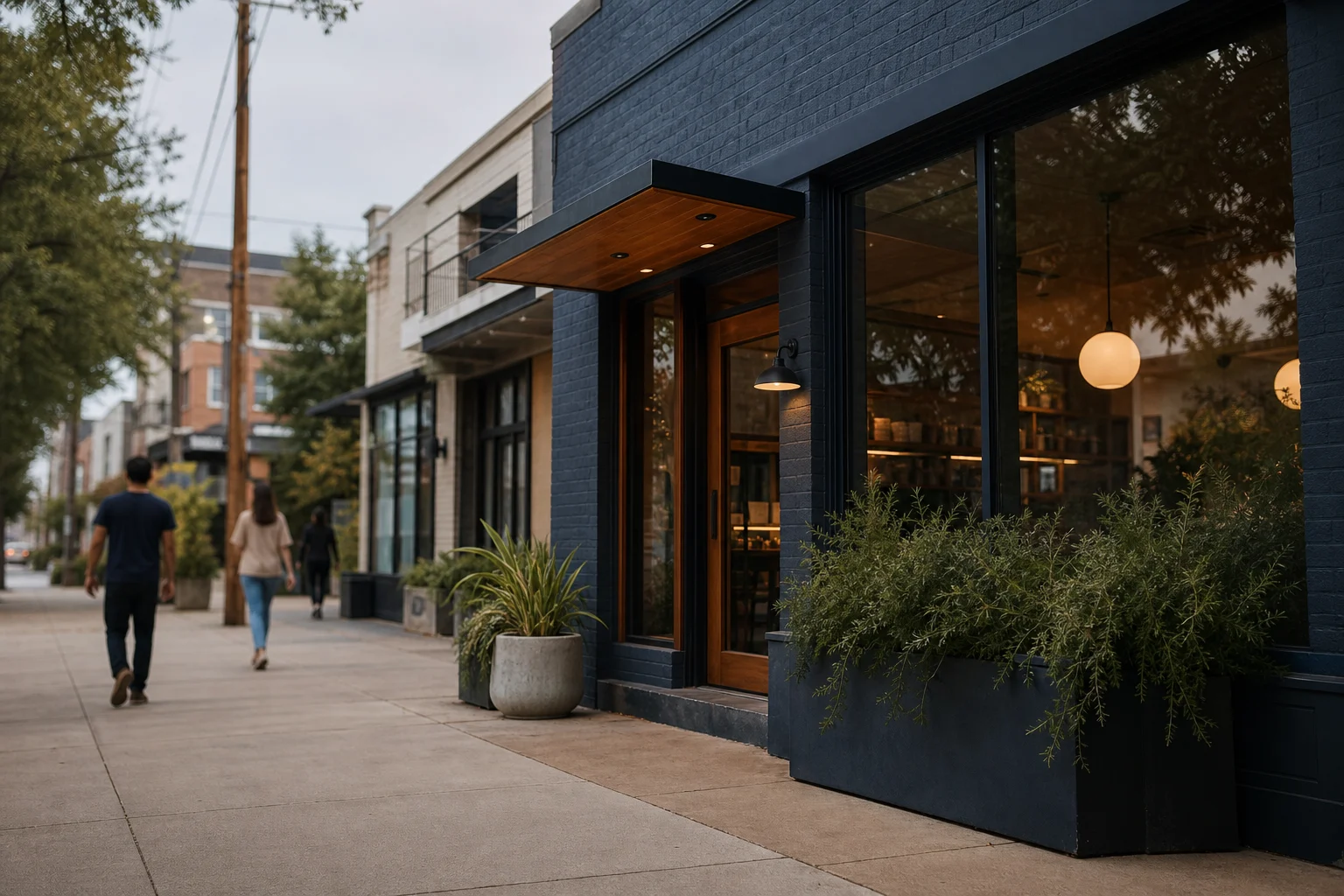
Main startup cost categories
The primary startup cost categories for a sandwich and deli shop include rent and lease assumptions, buildout and equipment, payroll, opening inventory, permits, and cash reserves. Each category carries different cost pressures depending on your chosen location within San Antonio. Understanding these categories helps you allocate resources effectively and avoid common financial pitfalls when launching your business.
Rent and lease assumptions in San Antonio
San Antonio offers several promising locations for a sandwich and deli shop, each with different rent levels and market characteristics. Locavisor neighborhood scoring identifies three top areas for this business type:
Quarry Market (7.1/10) — Top-ranked area anchored by Alamo Quarry Market — a high-traffic outdoor retail center with maxed-out office density and strong lunch daypart. Only one direct competitor (Market Sandwich, no rating data) means you'd be the first independent deli concept in a proven lunch corridor. Expect roughly $20-35/sqft NNN, which is a value corridor price for this much daytime foot traffic.
West Side / Westside (6.9/10) — West Side offers the best rent value in the set at roughly $30-50/sqft NNN, with a strong office index and solid residential density. Four sandwich competitors (Jimmy John's 3.8★, Schlotzsky's 4.3★, Subway 3.7★, HEB Deli) create a competitive field, but all are chains — an independent concept with better ingredients can carve out a niche.
Stone Oak (6.5/10) — Stone Oak is an upscale master-planned community with above-average affluence and a family-oriented customer base. One Subway (3.4★, 231 reviews) is the only direct competitor. Rent is roughly $30-50/sqft NNN — reasonable for a north-side corridor with solid daytime population and good parking access.
The market temperature across these areas is promising, with medium competition density. Rent levels are considered low compared to other major markets, which presents an opportunity for entrepreneurs. The score confidence across these areas is 85%, based on the 2026-05 snapshot of Locavisor neighborhood scoring.
Buildout, equipment, payroll, opening inventory, permits, and cash reserve
Buildout costs for a sandwich and deli shop in San Antonio will depend on your chosen location and the condition of the space. Older buildings in established areas may require more extensive renovation, while newer spaces might need only minor modifications. The equipment list should include commercial-grade sandwich preparation stations, refrigeration units, point-of-sale systems, and seating appropriate for your target market.
Payroll represents a significant ongoing cost that must be factored into your startup planning. San Antonio's labor market conditions will influence wage requirements and staffing levels. Consider whether you'll hire full-time or part-time staff, and how many employees you'll need during different dayparts.
Opening inventory costs will vary based on your menu offerings and supplier relationships. Fresh ingredients, bread, meats, cheeses, and other supplies must be stocked before opening. Establishing relationships with local suppliers can help manage these costs and ensure product quality.
Permitting requirements in San Antonio include health department permits, food handler certifications, and potentially alcohol permits if you plan to serve beer or wine. The specific requirements and associated costs should be verified with local authorities before finalizing your budget.
Cash reserves are critical for covering unexpected expenses and sustaining operations during the initial launch period. Many businesses underestimate the time required to reach profitability, so maintaining adequate reserves is essential for long-term success.

Lean vs moderate vs generous launch budgets
Entrepreneurs approach sandwich and deli shop launches with different budget philosophies. A lean launch might focus on a smaller footprint, minimal seating, and simplified menu to reduce initial investment. A moderate budget allows for more comfortable seating, expanded menu options, and better equipment. A generous launch budget supports premium locations, extensive buildout, and comprehensive marketing campaigns.
The right approach depends on your concept, target market, and financial resources. A lean launch might be appropriate for testing a new concept in a secondary location, while a generous budget makes sense for a premium deli in a high-traffic area like Quarry Market.
What to validate before spending money
Before committing significant funds to your sandwich and deli shop, validate several key assumptions:
Lease terms and conditions: Carefully review lease agreements, including rent increases, maintenance responsibilities, and renewal options. Ensure the location aligns with your business hours and operational needs.
Buildout scope and costs: Obtain detailed quotes for construction and renovation work. Verify that contractors understand food service requirements and can complete work within your timeline.
Equipment list and specifications: Research equipment needs thoroughly and obtain multiple quotes. Consider energy efficiency and maintenance requirements when selecting equipment.
Payroll model: Develop a detailed staffing plan based on expected customer traffic. Research local wage rates and benefit requirements to ensure accurate budgeting.
Opening inventory requirements: Calculate initial inventory needs based on projected sales and supplier lead times. Establish relationships with multiple suppliers to ensure product availability.
Cash reserve requirements: Maintain adequate reserves to cover unexpected expenses and sustain operations during the initial launch period. Many businesses underestimate the time required to reach profitability.
Local professional review: Consult with local attorneys, accountants, and business advisors who understand San Antonio's market. Their insights can help identify potential issues and opportunities.
FAQ
How much does it cost to open A Sandwich and Deli Shop in San Antonio?
The exact total cost to open a sandwich and deli shop in San Antonio cannot be estimated from the provided data. Startup costs vary significantly based on location, size, concept, and operational approach. Key variables to validate include lease terms and rent levels, buildout scope and equipment needs, staffing requirements, inventory costs, permitting expenses, and cash reserves. Entrepreneurs should develop detailed budgets based on their specific plans and consult with local professionals to ensure accurate financial planning.
Last reviewed: 2026-05-08
Sources: U.S. Census Bureau ACS, LEHD LODES, Google Places, OpenStreetMap, Locavisor neighborhood scoring.
Methodology: Locavisor scores neighborhoods across demand, competition fit, rent fit, accessibility, and customer match. Scores reflect a snapshot of recent data and should be combined with on-the-ground research before lease decisions.
Disclaimer: This article provides informational content only and does not constitute legal, financial, accounting, or real-estate advice. Verify lease terms, licensing, local regulations, costs, and professional requirements with qualified local professionals before making business decisions.
Free preview shows top 3 neighborhoods. Full $9.99 report covers all 10 areas with personalized scoring + 90-day check-ins.
Informational only. Verify lease, licensing, local regulations, costs, and professional requirements with qualified local professionals.