San Diego, CA · sandwich and deli shop
Cost to open a sandwich and deli shop in San Diego
Opening a sandwich and deli shop in San Diego requires careful planning of startup costs. The cost to open a sandwich and deli shop in San Diego varies significantly based on location, size, and operational approach. Understanding these costs helps founders allocate resources effectively and avoid common financial pitfalls. San Diego's diverse neighborhoods offer different opportunities and challenges for sandwich and deli entrepreneurs.
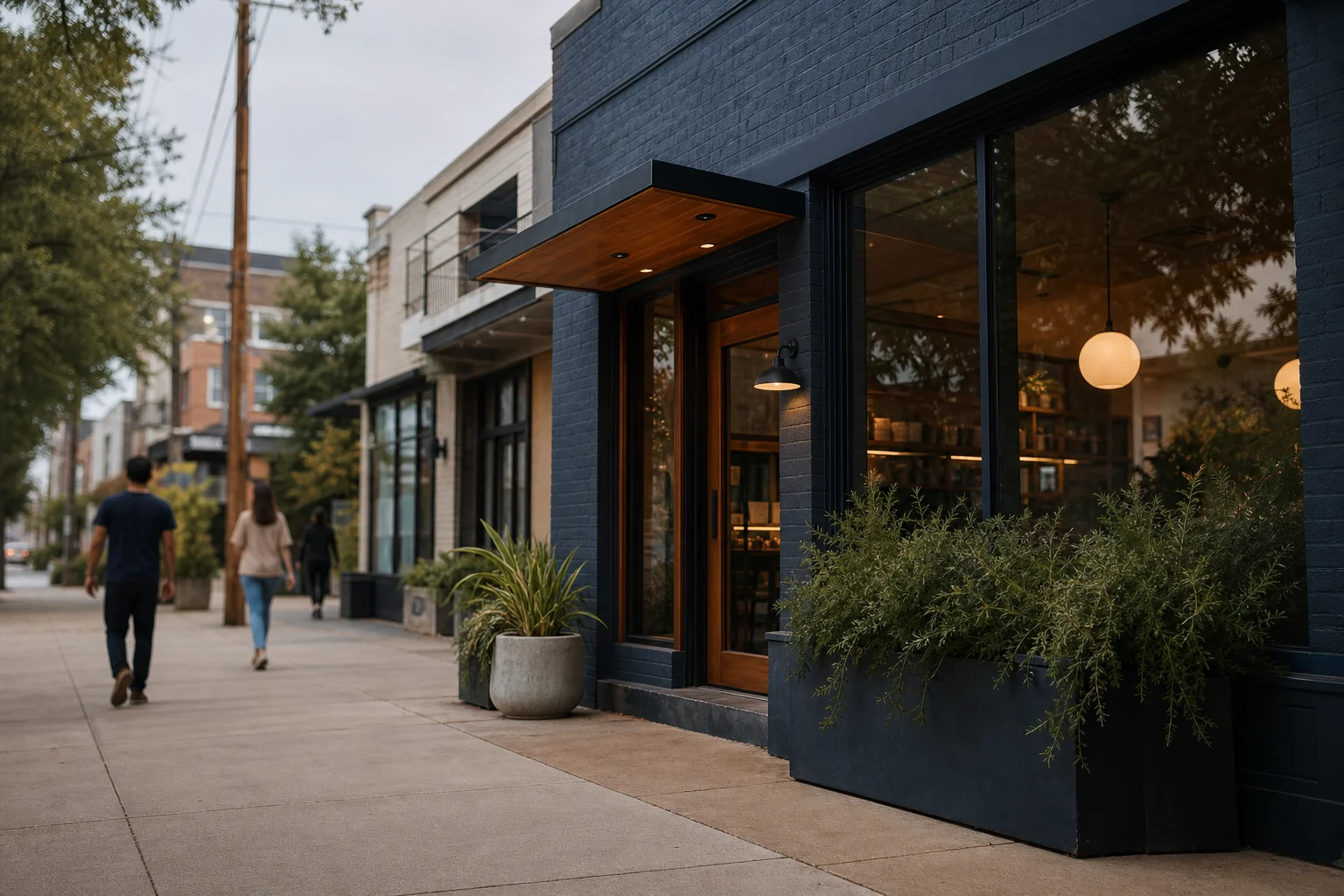
Main startup cost categories
The startup cost stack for a sandwich and deli shop includes several key categories. Rent forms the largest fixed expense, followed by buildout and equipment costs. Payroll for initial staffing, opening inventory, permits and licenses, and cash reserves for the launch period round out the essential expenses. Each category carries its own cost pressures and requires validation before committing funds. The total investment depends on your chosen neighborhood and business model.
Rent and lease assumptions in San Diego
Location selection significantly impacts your rent expense and overall cost structure. Locavisor neighborhood scoring identifies three promising areas for a sandwich and deli shop in San Diego:
University City / UTC (7.5/10) — UCSD-adjacent corridor with maxed-out office density, strong walkability, and Westfield UTC as a foot-traffic anchor. Expect roughly $45-70/sqft NNN. The lunch daypart signal is near ceiling — this is the strongest weekday-lunch sandwich play in San Diego, but rent at this tier demands volume. ≈10,500 weekday office workers within 800m make the lunch rush real.
Convoy Asian Cultural District (6.7/10) — Convoy Street's designated Asian cultural district with strong daytime population density and moderate rent. Expect roughly $30-50/sqft NNN. The lunch daypart is solid but not dominant — this is more of an evening/weekend dining corridor. Two existing deli operators nearby (Knockout Deli 4.4★, Surf N Sub Deli 4.7★) but both close by 3-5PM, leaving the dinner window open.
Downtown / Gaslamp Quarter (6.7/10) — Gaslamp Quarter is San Diego's iconic tourist + nightlife corridor with maxed-out walkability and daytime population density. Expect roughly $30-50/sqft NNN. The challenge: sandwich shops are 80% weekday lunch business, and Gaslamp's customer mix skews evening/nightlife and weekend tourism. Office density is above-average but not dominant.
University City / UTC emerges as the best fit with an overall score of 7.5/10. The area's promising market temperature and medium competition density create favorable conditions despite the higher rent level. The UTC area's lunch-focused customer base aligns perfectly with sandwich and deli business models. However, the rent at $45-70/sqft NNN requires substantial volume to justify the investment.
Buildout, equipment, payroll, opening inventory, permits, and cash reserve
Buildout costs depend on your space's condition and your brand's aesthetic requirements. A sandwich and deli shop typically needs specialized food preparation areas, refrigeration units, display cases, and customer seating areas. Equipment costs include sandwich stations, meat slicers, refrigeration units, POS systems, and furniture. The scale of your operation determines equipment needs.
Payroll represents another significant expense. Initial staffing typically includes a manager, sandwich makers, and counter staff. Labor costs vary based on San Diego's minimum wage requirements and your staffing model. Opening inventory covers initial food supplies, packaging materials, and beverages. Permits and licenses include health department approvals, food handler certifications, and business registrations.
Cash reserves are critical for covering expenses before reaching profitability. The amount needed depends on your location, operating costs, and revenue projections. San Diego's regulatory environment requires specific health and safety compliance, which may impact buildout and operational costs.

Lean vs moderate vs generous launch budgets
Founders approach sandwich and deli shop launches with different budget philosophies. A lean launch minimizes fixed costs by opting for smaller spaces, used equipment, and minimal seating. This approach reduces initial investment but may limit growth potential. A moderate launch balances cost considerations with operational needs, allowing for quality equipment and adequate seating. A generous launch maximizes customer experience with premium finishes, extensive menu options, and ample seating.
The rent level in your chosen neighborhood significantly influences budget decisions. University City / UTC's higher rent ($45-70/sqft NNN) demands a more robust business model with higher volume expectations. In contrast, Convoy Asian Cultural District and Downtown / Gaslamp Quarter's moderate rent ($30-50/sqft NNN) offers more flexibility in budget allocation.
Market temperature and competition density also affect budget planning. University City / UTC's promising market temperature and medium competition density suggest a well-positioned business can capture significant market share. However, the presence of established competitors in Convoy Asian Cultural District requires differentiation strategies that may impact budget allocation.
What to validate before spending money
Before committing funds to your sandwich and deli shop, validate several critical assumptions. Lease assumptions should include not just rent but also common area maintenance fees, property taxes, and lease terms. Buildout scope must align with health department requirements while reflecting your brand's aesthetic. Your equipment list should balance immediate needs with future expansion plans.
Payroll models need validation against San Diego's labor market realities, including wage rates and availability of skilled sandwich makers. Opening inventory requirements should be based on realistic sales projections rather than optimistic assumptions. Cash reserve calculations should account for slower-than-expected ramp-up periods.
Professional review from local experts provides valuable insights before finalizing your budget. A commercial real estate broker can validate location assumptions. A restaurant consultant can assess buildout and equipment needs. An accountant can help structure your finances for optimal cash flow management. Each professional review adds cost but reduces the risk of expensive mistakes.
FAQ
How much does it cost to open A Sandwich and Deli Shop in San Diego?
The exact total cannot be estimated from the provided data. The cost to open a sandwich and deli shop in San Diego depends on multiple variables that require validation. Key factors include your chosen neighborhood's rent level, space size, buildout requirements, equipment needs, staffing model, inventory requirements, and cash reserve needs. University City / UTC's higher rent ($45-70/sqft NNN) creates different cost pressures than Convoy Asian Cultural District or Downtown / Gaslamp Quarter's moderate rent ($30-50/sqft NNN). Before committing funds, validate lease assumptions, buildout scope, equipment requirements, payroll model, opening inventory needs, and adequate cash reserves. A professional review from local experts can provide more accurate cost estimates based on your specific business plan.
Last reviewed: 2026-05-08
Sources: U.S. Census Bureau ACS, LEHD LODES, Google Places, OpenStreetMap, Locavisor neighborhood scoring.
Methodology: Locavisor scores neighborhoods across demand, competition fit, rent fit, accessibility, and customer match. Scores reflect a snapshot of recent data and should be combined with on-the-ground research before lease decisions.
Disclaimer: This article provides informational content only and does not constitute legal, financial, accounting, or real-estate advice. Verify lease terms, licensing, local regulations, costs, and professional requirements with qualified local professionals before making business decisions.
Free preview shows top 3 neighborhoods. Full $9.99 report covers all 10 areas with personalized scoring + 90-day check-ins.
Informational only. Verify lease, licensing, local regulations, costs, and professional requirements with qualified local professionals.