San Francisco, CA · sandwich and deli shop
Cost to open a sandwich and deli shop in San Francisco
Opening a sandwich and deli shop in San Francisco requires careful planning of startup costs. The city's high rent level and competitive market make understanding your financial commitments essential before investing. Locavisor neighborhood scoring shows promising market temperature with medium competition density across the city's top areas for sandwich shops.
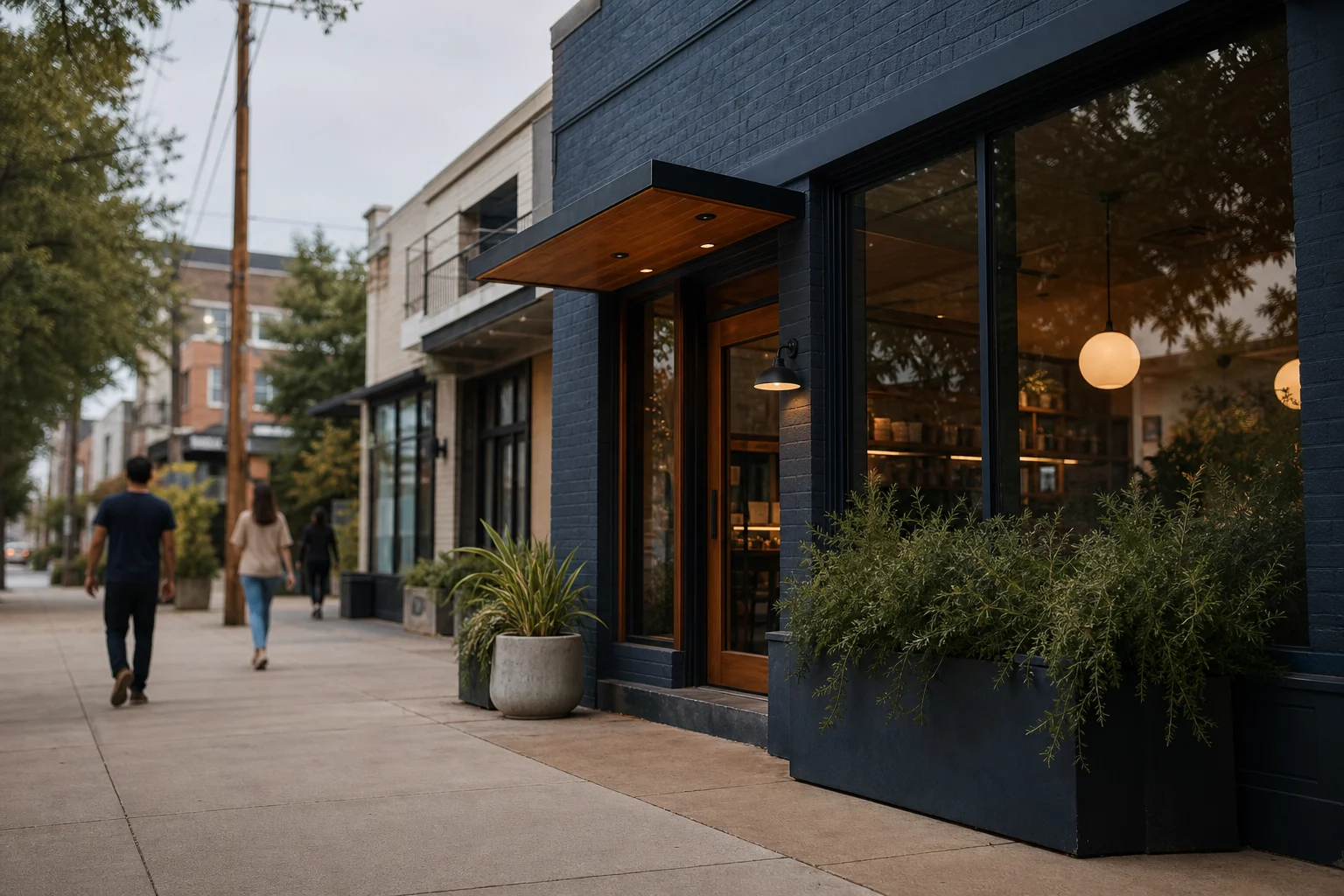
Main startup cost categories
The cost to open a sandwich and deli shop in San Francisco involves several key expense categories that founders must plan for. Rent typically represents your largest fixed cost, followed by buildout and equipment expenses, staffing costs, inventory, permits, and cash reserves to sustain operations during the launch phase. Each category carries different financial pressures depending on your chosen neighborhood and business model.
Rent and lease assumptions in San Francisco
San Francisco's rent level is high, significantly impacting your startup budget. Locavisor neighborhood scoring identifies three top areas for sandwich and deli shops: Tenderloin (7.0/10), Nob Hill (6.8/10), and Chinatown (6.6/10). Each neighborhood offers different advantages and cost considerations. Tenderloin ranks #1 for a sandwich-deli on paper — maxed-out walkability, transit, and daytime population density mean foot traffic is the best in the city. Chinatown delivers maximum office-worker lunch demand and world-class transit access, but the rent proxy is punishing — roughly $65-95/sqft NNN. Nob Hill offers strong office-worker lunch demand and excellent transit connectivity, with two sandwich competitors that leave room for a differentiated concept.
Buildout, equipment, payroll, opening inventory, permits, and cash reserve
Beyond rent, your buildout and equipment represent substantial investments. San Francisco's high cost environment extends to construction and equipment purchases. Payroll costs will be significant given the city's living wage requirements. Opening inventory must balance variety with cash flow considerations. Permits in San Francisco can be complex and time-consuming, potentially delaying your launch timeline. Cash reserves are critical to sustain operations during the initial months when revenue builds gradually.

Lean vs moderate vs generous launch budgets
Founders must consider different budget approaches based on their financial resources and risk tolerance. A lean budget minimizes fixed costs and focuses on core offerings with minimal buildout. A moderate budget allows for more complete equipment and a comfortable inventory position. A generous budget provides maximum flexibility in location selection, buildout quality, staffing levels, and marketing spend. The high rent level in San Francisco makes a lean approach particularly challenging, as space costs remain significant regardless of your budget philosophy.
What to validate before spending money
Before committing significant capital, validate your lease assumptions by understanding exactly what's included in the rent and what additional costs you'll face. Review your buildout scope carefully to ensure it aligns with your operational needs without unnecessary expenses. Confirm your equipment list includes only essential items with room for expansion. Validate your payroll model against San Francisco's wage requirements and your expected staffing needs. Assess your opening inventory requirements based on projected sales and supplier relationships. Verify permit requirements and timelines specific to your location and concept. Maintain adequate cash reserves to cover unexpected expenses during the launch phase.
FAQ
How much does it cost to open A Sandwich and Deli Shop in San Francisco?
The exact total startup cost cannot be estimated from the provided data. Variables to validate include your specific location within San Francisco's neighborhoods, lease terms and buildout requirements, equipment needs, staffing model, inventory requirements, permit costs, and cash reserve needs. The high rent level in San Francisco significantly impacts startup costs, with Chinatown showing rent proxies of roughly $65-95/sqft NNN. Each neighborhood presents different competitive landscapes and market conditions that affect your financial requirements. Before making significant investments, conduct thorough research and consult with local professionals to develop accurate cost projections for your specific business concept.
Last reviewed: 2026-05-08
Sources: U.S. Census Bureau ACS, LEHD LODES, Google Places, OpenStreetMap, Locavisor neighborhood scoring.
Methodology: Locavisor scores neighborhoods across demand, competition fit, rent fit, accessibility, and customer match. Scores reflect a snapshot of recent data and should be combined with on-the-ground research before lease decisions.
Disclaimer: This article provides informational content only and does not constitute legal, financial, accounting, or real-estate advice. Verify lease terms, licensing, local regulations, costs, and professional requirements with qualified local professionals before making business decisions.
Free preview shows top 3 neighborhoods. Full $9.99 report covers all 10 areas with personalized scoring + 90-day check-ins.
Informational only. Verify lease, licensing, local regulations, costs, and professional requirements with qualified local professionals.