Seattle, WA · sandwich and deli shop
Cost to open a sandwich and deli shop in Seattle
Seattle's competitive restaurant market creates unique cost pressures for sandwich and deli shop founders. The city's high demand for quality food options, combined with premium real estate costs and operational expenses, means careful planning is essential before committing capital. Understanding the specific cost drivers in Seattle's neighborhoods can help founders make informed decisions about where to locate and how to budget for their new venture.
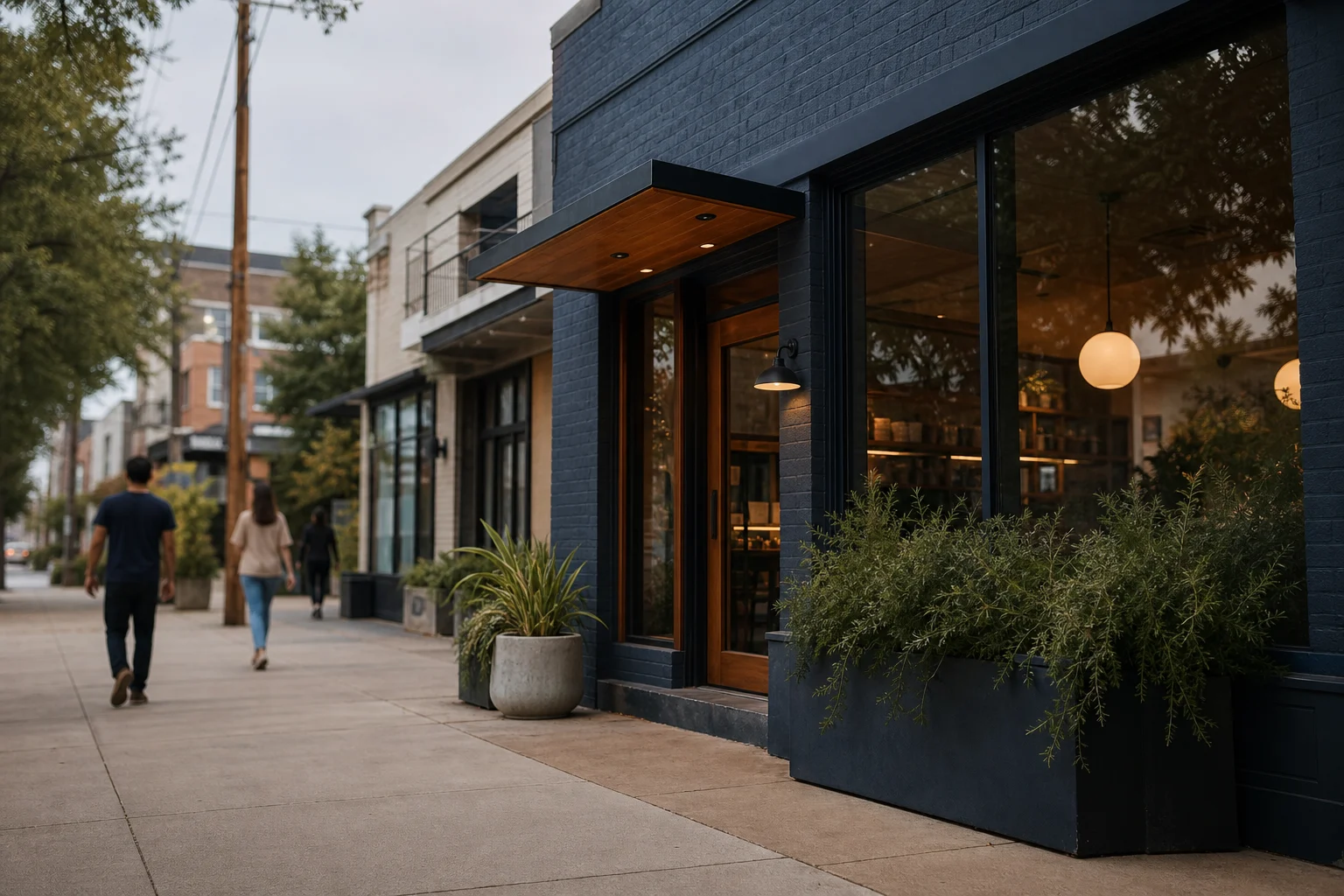
What does it cost to open a sandwich and deli shop in Seattle?
The cost to open a sandwich and deli shop in Seattle varies significantly based on location, size, and operational model. Unlike many other markets, Seattle's premium real estate prices and competitive labor market create higher baseline costs for new food businesses. Founders must account for not just the obvious expenses like equipment and inventory, but also the often-overlooked costs associated with securing prime locations in desirable neighborhoods.
Major cost categories
Lease deposit and first/last month
Tenant improvements and buildout
Seattle's older buildings often require significant tenant improvements to meet health code requirements and create an inviting customer experience. The condition of the space, local building codes, and the extent of modifications needed will dramatically impact these costs. Founders should budget for everything from plumbing and electrical upgrades to custom millwork and seating installations. The quality of finishes and compliance with ADA accessibility standards will also affect the total investment required.
Equipment and furniture
A fully-equipped sandwich and deli shop requires substantial capital for professional-grade equipment. This includes refrigeration, cooking appliances, point-of-sale systems, and customer seating. The specific needs will depend on the menu offerings, service model, and space configuration. Quality equipment that can withstand Seattle's operational pace is essential for long-term success.
Licenses, permits, and insurance
Seattle requires multiple licenses and permits to operate a food business, including health department permits, business licenses, and potentially liquor licenses if alcohol service is planned. Insurance costs must also be factored in, with liability coverage being particularly important for food service operations. These requirements vary by neighborhood and specific business model.
Initial inventory or supplies
Starting inventory for a sandwich and deli shop includes ingredients, packaging, and cleaning supplies. The volume needed depends on the initial menu, expected customer traffic, and supplier relationships. Quality ingredients are particularly important in Seattle's discerning market, where customers expect fresh, high-quality products.
Pre-opening payroll and training
Hiring and training staff before opening requires careful cash flow management. Seattle's competitive labor market means founders must offer competitive wages to attract qualified employees. Training programs ensure staff can deliver the consistent customer experience that builds reputation in a crowded market.
Working capital reserve
A working capital reserve of a variable local timeline of operating expenses is critical for weathering the initial slow period and unexpected costs. Seattle's higher operational costs mean this reserve should be substantial enough to cover rent, payroll, and inventory during the ramp-up phase.
How Seattle compares to other WA markets
Seattle's costs exceed most other Washington markets due to its dense population, high demand, and premium real estate. While cities like Spokane or Tacoma offer lower rent and labor costs, they also present smaller customer bases and different market dynamics. The trade-off between lower operating costs and potential revenue must be carefully evaluated based on the specific business model and target customer.
What competition looks like in the top areas
Seattle's top neighborhoods for sandwich and deli shops show varying competitive landscapes. Madrona/Leschi (score 7.5/10) features established players like Madrona Market & Deli (4.1 stars) and King's Deli & Grocery (4.2 stars), indicating customer acceptance of local options. Eastlake/Cascade (score 7.4/10) has Hamlin Market & Deli (4.6 stars) and Subway (3.3 stars), showing both independent and chain competition. Capitol Hill (score 7.2/10) includes Safeway Deli, while Central District (score 7.2/10) and Queen Anne (score 7.1/10) present their own competitive dynamics. These existing businesses demonstrate what customers expect in terms of quality, pricing, and service in each neighborhood.
Common cost overrun patterns
Many Seattle sandwich and deli shop founders experience cost overruns in several key areas. Underestimating buildout requirements, particularly in older buildings, is common. Equipment purchases often exceed budgets when founders discover the need for higher-quality or more specialized machinery. Inventory costs can also surprise new operators who don't account for the volume needed to maintain fresh offerings. Additionally, Seattle's permitting process can be more complex and time-consuming than anticipated, leading to unexpected delays and costs.
How to validate your number before committing capital
Before committing capital, founders should validate their assumptions through several key steps. Research comparable spaces in target neighborhoods to confirm rent bands and availability. Obtain multiple equipment quotes to establish realistic budgets. Consult with local contractors experienced in food service buildouts. Research local suppliers to understand ingredient costs and minimum order requirements. Finally, talk to existing operators in the area to gain insights into operational costs and challenges specific to Seattle's market.
| Neighborhood | Locavisor score | Rent band | Local operator signal | Founder validation check |
|---|---|---|---|---|
| Madrona / Leschi | 7.5/10 | $31-$110/sqft/yr NNN | Madrona Market & Deli, King's Deli & Grocery | Validate lease terms, buildout condition, equipment scope, and reserves. |
| Eastlake / Cascade | 7.4/10 | $31-$110/sqft/yr NNN | Hamlin Market & Deli, Subway | Validate lease terms, buildout condition, equipment scope, and reserves. |
| Capitol Hill | 7.2/10 | $55/sqft/yr NNN | Subway, Safeway Deli | Validate lease terms, buildout condition, equipment scope, and reserves. |
| Central District | 7.2/10 | $31-$110/sqft/yr NNN | Madrona Market & Deli, King's Deli & Grocery | Validate lease terms, buildout condition, equipment scope, and reserves. |
| Queen Anne | 7.1/10 | $31-$110/sqft/yr NNN | No direct operator listed | Validate lease terms, buildout condition, equipment scope, and reserves. |

FAQ
What are the best neighborhoods in Seattle for a sandwich and deli shop?
According to Locavisor research, the top neighborhoods for sandwich and deli shops in Seattle are Madrona/Leschi (score 7.5/10), Eastlake/Cascade (7.4/10), Capitol Hill (7.2/10), Central District (7.2/10), and Queen Anne (7.1/10). These areas offer strong foot traffic, customer demand, and appropriate rent bands for food service businesses.
How do I find affordable commercial space in Seattle?
Start by focusing on neighborhoods with lower rent bands within your target range. Madrona/Leschi, Eastlake/Cascade, Central District, and Queen Anne all offer rent bands from $31-$110/sqft/yr NNN, providing more affordable options than Capitol Hill's $55/sqft/yr NNN. Work with a commercial real estate broker familiar with Seattle's food service market and be prepared to act quickly on suitable spaces.
What permits do I need to open a sandwich and deli shop in Seattle?
You'll need a Seattle business license, food service permit from the King County Department of Health, and potentially additional permits depending on your specific operations. The exact requirements vary by neighborhood and business model, so consult with the appropriate city and county agencies early in your planning process.
Last reviewed: 2026-05-30
Sources: U.S. Census Bureau ACS, LEHD LODES, Google Places, OpenStreetMap, Locavisor neighborhood scoring.
Methodology: Locavisor scores neighborhoods across demand, competition fit, rent fit, accessibility, and customer match. Scores reflect a snapshot of recent data and should be combined with on-the-ground research before lease decisions.
Disclaimer: This article provides informational content only and does not constitute legal, financial, accounting, or real-estate advice. Verify lease terms, licensing, local regulations, costs, and professional requirements with qualified local professionals before making business decisions.
Free preview shows top 3 neighborhoods. Full $9.99 report covers all 10 areas with personalized scoring + 90-day check-ins.
Informational only. Verify lease, licensing, local regulations, costs, and professional requirements with qualified local professionals.