Washington, DC · sandwich and deli shop
Cost to open a sandwich and deli shop in Washington
Opening a sandwich and deli shop in Washington requires careful planning of startup costs. The market temperature is promising with medium competition density and medium rent level. Locavisor neighborhood scoring identifies three top areas for this concept: Foggy Bottom / GWU (7.2/10), Logan Circle (7.0/10), and Chevy Chase DC (7.0/10). Each location offers different advantages and cost considerations for your sandwich and deli shop in Washington.
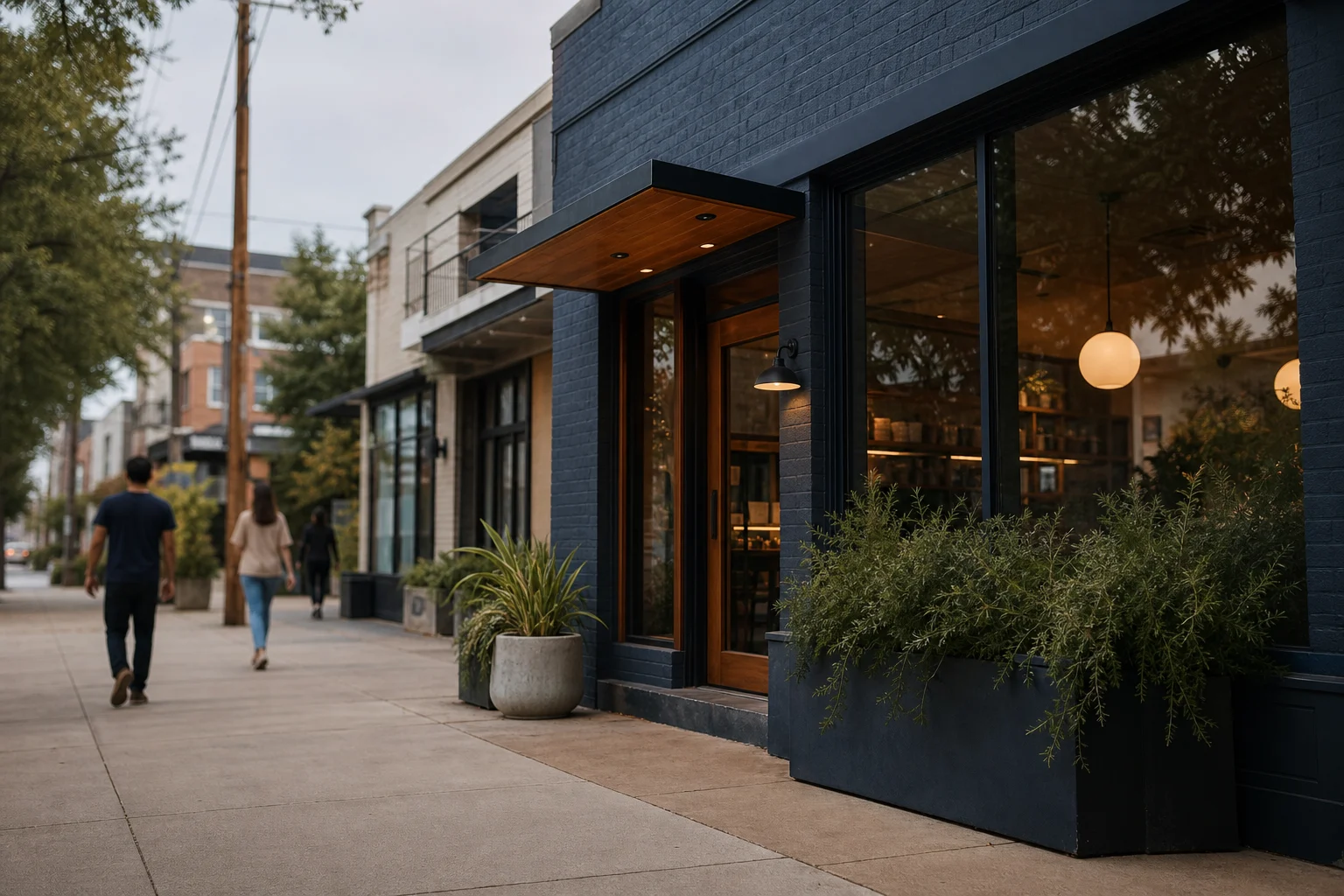
Main startup cost categories
The cost to open a sandwich and deli shop in Washington involves several key categories. Rent typically represents your largest fixed cost, followed by buildout and equipment expenses. Payroll requirements will depend on your staffing model, while opening inventory and permits represent necessary initial investments. Finally, maintaining adequate cash reserves through your early months is critical for sustainability.
Each cost category carries different pressure points based on your chosen location. The rent level varies significantly across Washington's neighborhoods, directly impacting your overall startup budget. Equipment costs depend on whether you purchase new or used, and the scope of your menu offerings. Payroll expenses will fluctuate based on local wage rates and your staffing needs.
Rent and lease assumptions in Washington
Rent assumptions form the foundation of your startup cost planning. Locavisor neighborhood scoring shows rent ranges of $45-70/sqft NNN for both Foggy Bottom / GWU and Logan Circle, with Chevy Chase DC offering a more affordable option at $30-50/sqft NNN. These figures represent triple net leases, which include property taxes, insurance, and maintenance passed through to tenants.
Foggy Bottom / GWU commands premium rent due to its daytime population density driven by GWU's campus (20,000+ students, faculty, staff) plus State Department and Watergate office clusters. Logan Circle offers strong urban corridor rent with high lunch and evening daypart scores. Chevy Chase DC provides the most affordable rent among the top three areas, though with lower daytime foot traffic compared to the other locations.
When evaluating lease terms, consider the length of commitment, renewal options, and potential rent escalations. Triple net leases require careful calculation of your total occupancy costs beyond base rent. Factor in common area maintenance charges that can vary significantly between properties.
Buildout, equipment, payroll, opening inventory, permits, and cash reserve
Buildout costs will depend on the condition of your space and your brand requirements. A turnkey space may require minimal investment, while a raw shell could demand substantial construction expenses. Equipment needs include refrigeration, preparation surfaces, cooking appliances, point-of-sale systems, and furniture. The scale of your operation will determine your equipment requirements.
Payroll expenses must account for local wage rates in Washington. Your staffing model will impact these costs, with full-time employees typically more expensive than part-time or contract workers. Consider peak demand periods when planning your staffing levels.
Opening inventory represents another significant cost category. Your initial stock of ingredients, packaging supplies, and other consumables should align with your projected sales volume. Maintaining optimal inventory levels without excessive waste requires careful planning.
Permitting requirements in Washington include necessary approvals for food service operations. These processes can be time-consuming and may involve multiple city agencies. Factor in potential delays when planning your timeline.
Cash reserves are essential for covering expenses before your business becomes profitable. The amount needed depends on your burn rate and how long it takes to reach operational stability. Conservative planning typically recommends maintaining several months of operating expenses in reserve.

Lean vs moderate vs generous launch budgets
A lean launch budget minimizes upfront investment by focusing on essential elements. This approach might involve a smaller space, basic equipment, and minimal staffing. While reducing initial costs, a lean approach may limit your ability to create a strong first impression or handle peak demand effectively.
A moderate launch budget balances cost considerations with operational needs. This approach typically allows for a well-designed space, quality equipment, and adequate staffing to deliver consistent service. Many successful sandwich shops find this middle ground provides the best foundation for growth.
A generous launch budget maximizes your investment in every aspect of the business. This approach includes premium locations, extensive buildout, high-end equipment, and robust staffing. While potentially offering advantages in market positioning, a generous budget requires higher sales volume to justify the investment.
The appropriate budget level depends on your financial resources, market positioning, and growth expectations. Each approach carries different risk profiles and potential returns. Careful consideration of your specific circumstances will help determine the right balance for your sandwich and deli shop in Washington.
What to validate before spending money
Before committing significant funds to your sandwich and deli shop in Washington, validate several key assumptions. Lease assumptions should be thoroughly researched, including actual square footage measurements, common area maintenance charges, and utility costs. Negotiate favorable terms that align with your business needs and growth plans.
Buildout scope requires careful planning based on your operational requirements. Consider workflow efficiency, customer flow, and future expansion possibilities. Obtain multiple contractor bids to ensure competitive pricing for your buildout project.
Equipment needs should be based on your specific menu requirements and service model. Research different equipment options to balance quality, cost, and durability. Consider whether purchasing new or used equipment makes sense for your budget and timeline.
Payroll modeling should account for local wage rates and staffing requirements. Consider different staffing scenarios to understand how labor costs impact your overall budget. Factor in payroll taxes and benefits when calculating total labor expenses.
Opening inventory requirements should align with your projected sales volume. Consider supplier relationships and delivery schedules when planning your initial inventory levels. Factor in potential waste and spoilage when calculating inventory needs.
Cash reserve requirements depend on your burn rate and time to profitability. Conservative planning typically recommends maintaining several months of operating expenses in reserve. Consider potential unexpected expenses when determining your cash reserve needs.
Finally, engage local professionals to review your plans. A commercial real estate broker can help evaluate lease terms, while an accountant can review your financial projections. Industry-specific consultants can provide valuable insights into operational requirements and best practices.
FAQ
How much does it cost to open A Sandwich and Deli Shop in Washington?
The exact total cost to open a sandwich and deli shop in Washington cannot be estimated from the provided data. Startup costs vary significantly based on location, space size, buildout requirements, equipment needs, staffing levels, and other factors. To determine your specific startup costs, validate lease assumptions, obtain equipment quotes, calculate payroll requirements, estimate inventory needs, research permit costs, and determine appropriate cash reserves for your specific situation. Each of these elements carries different cost pressures depending on your chosen location and business model.
This article provides qualitative guidance on cost considerations rather than specific dollar amounts or ranges. The actual investment required will depend on numerous variables unique to your specific circumstances and business plan.
Last reviewed: 2026-05-08
Sources: U.S. Census Bureau ACS, LEHD LODES, Google Places, OpenStreetMap, Locavisor neighborhood scoring.
Methodology: Locavisor scores neighborhoods across demand, competition fit, rent fit, accessibility, and customer match. Scores reflect a snapshot of recent data and should be combined with on-the-ground research before lease decisions.
Disclaimer: This article provides informational content only and does not constitute legal, financial, accounting, or real-estate advice. Verify lease terms, licensing, local regulations, costs, and professional requirements with qualified local professionals before making business decisions.
Free preview shows top 3 neighborhoods. Full $9.99 report covers all 10 areas with personalized scoring + 90-day check-ins.
Informational only. Verify lease, licensing, local regulations, costs, and professional requirements with qualified local professionals.