Austin, TX · dessert shop
Best neighborhoods for a dessert shop in Austin
Finding the right location can make or break your dessert shop business. In a competitive market like Austin, where food entrepreneurs are constantly opening new establishments, choosing the best neighborhoods for a dessert shop in Austin requires careful analysis of multiple factors. This guide examines the top areas based on demand, competition, rent fit, accessibility, and customer match to help you make an informed decision.
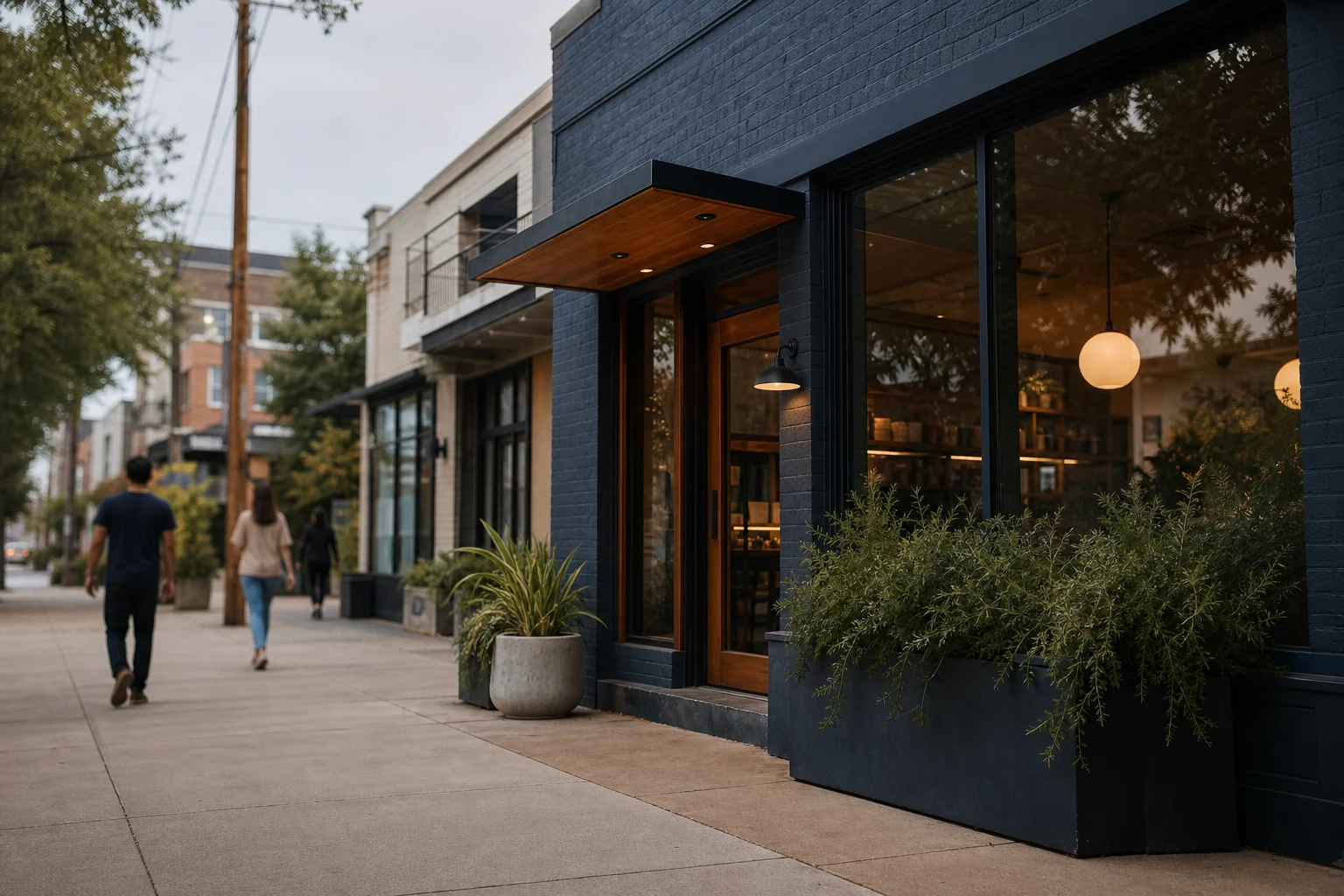
Why location fit matters for a dessert shop
Location determines your customer base, visibility, and operating costs. A dessert shop thrives in areas with high foot traffic, complementary businesses, and the right demographic profile. Austin's diverse neighborhoods offer distinct advantages depending on your concept. Some areas attract families seeking treats after dinner, while others draw students looking for study snacks. The right location aligns with your target customer's habits and expectations. Your choice impacts everything from daily sales volume to marketing effectiveness.
Top 3 neighborhoods to consider
Based on Locavisor neighborhood scoring, these three Austin neighborhoods offer the best potential for a dessert shop:
1. Hyde Park (6.3/10)
Hyde Park leads the pack for dessert-specialty in Austin — zero direct competitors, strong walkability, and a student-heavy customer base that aligns with your target archetypes. The historic bungalow corridor along Duval/Avenue B delivers solid foot traffic from UT faculty, young families, and students. Rent runs roughly $45-70/sqft NNN — mid-range for Austin's inner core.
2. UT Campus / West Campus (5.9/10)
UT Campus / West Campus is the highest-density student corridor in Austin — the student index is maxed out, daytime population density is near ceiling, and there are zero direct dessert-specialty competitors. The Drag (Guadalupe St) sees constant foot traffic from 50K+ students.
3. North Loop (5.8/10)
North Loop offers a quirky indie corridor with vintage shops, Epoch Coffee, and the Brewtorium anchoring foot traffic. Rent is manageable at roughly $45-70/sqft NNN, and there's a cluster of existing bakeries (Zucchini Kill Bakery at 4.7★/433 reviews, Polkadots Cupcake Factory at 4.4★/132 reviews, Mrs Johnson's Bakery at 4.0★/682 reviews) — but no dedicated dessert-specialty shop.
How the neighborhood scores are built
Locavisor neighborhood scoring evaluates areas based on five key factors: demand, competition density, rent fit, accessibility, and customer match. Each neighborhood receives a score from 1-10, with higher scores indicating better overall potential for a dessert shop. The scoring system considers both quantitative metrics like foot traffic counts and qualitative factors like neighborhood character.
The market temperature for these top areas is mixed, with medium competition density across all three locations. Rent levels remain medium in each neighborhood, providing a balance between affordability and visibility. The overall score confidence for these rankings stands at 78%, based on data from the 2026-05 snapshot. This confidence level reflects the reliability of the underlying metrics while acknowledging that market conditions can change.
How to validate the shortlist before signing a lease
Before committing to a location, conduct thorough due diligence. Visit each neighborhood at different times of day and week to observe actual foot traffic patterns. Note when potential customers are most active and what complementary businesses draw crowds. Talk to local business owners about their experiences and challenges. Consider setting up a pop-up or participating in local events to test customer response to your concept.
Review demographic data to ensure the neighborhood's population aligns with your target customer profile. Check for any planned developments or construction that might impact accessibility or visibility. Analyze parking availability and public transportation access, as these factors affect customer convenience. The goal is to gather firsthand information that complements the neighborhood rankings.
Common mistakes founders make in Austin
Many dessert shop founders underestimate the importance of aligning their concept with neighborhood character. A high-end patisserie might struggle in a student-heavy area where price sensitivity is higher. Conversely, a budget-friendly ice cream shop might not thrive in an upscale neighborhood where customers expect premium offerings.
Another common error is failing to research existing food establishments thoroughly. Even without direct dessert competitors, nearby coffee shops or bakeries might capture your potential customers. Founders often overlook how nearby businesses can either complement or compete with their offerings.
Timing your opening is crucial. Many new businesses launch during peak seasons without considering how slower periods might impact cash flow. Understanding seasonal fluctuations in foot traffic and customer spending habits is essential for sustainable operations.

FAQ
Where is the best location for A Dessert Shop in Austin?
Based on Locavisor neighborhood scoring, Hyde Park currently ranks as the best location for a dessert shop in Austin with a score of 6.3/10. This neighborhood offers zero direct competitors, strong walkability, and a customer base that includes UT faculty, young families, and students.
What's the average rent for a dessert shop in these top neighborhoods?
Rent in the top three neighborhoods ranges from $45-70 per square foot NNN (triple net), which is considered mid-range for Austin's inner core. This typically includes base rent plus property taxes, insurance, and common area maintenance.
How important is walkability for a dessert shop?
Walkability is crucial for dessert shops, as many customers make spontaneous decisions to purchase treats. All three top-ranked neighborhoods offer good walkability, with Hyde Park and UT Campus/West Campus particularly strong in this regard.
Should I be concerned about competition in these areas?
Competition density is medium across all three neighborhoods. Interestingly, none currently have direct dessert-specialty competitors, though North Loop has several bakeries that might capture some of your potential market share.
How can I test customer demand before opening?
Consider setting up a pop-up shop in your target neighborhood, participating in local farmers markets, or offering catering to nearby businesses. Social media campaigns targeting neighborhood residents can also help gauge interest and build anticipation for your opening.
Last reviewed: 2026-05-08
Sources: U.S. Census Bureau ACS, LEHD LODES, Google Places, OpenStreetMap, Locavisor neighborhood scoring.
Methodology: Locavisor scores neighborhoods across demand, competition fit, rent fit, accessibility, and customer match. Scores reflect a snapshot of recent data and should be combined with on-the-ground research before lease decisions.
Disclaimer: This article provides informational content only and does not constitute legal, financial, accounting, or real-estate advice. Verify lease terms, licensing, local regulations, costs, and professional requirements with qualified local professionals before making business decisions.
Free preview shows top 3 neighborhoods. Full $9.99 report covers all 10 areas with personalized scoring + 90-day check-ins.
Informational only. Verify lease, licensing, local regulations, costs, and professional requirements with qualified local professionals.