Chicago, IL · dessert shop
Best neighborhoods for a dessert shop in Chicago
Finding the best neighborhoods for a dessert shop in Chicago requires careful analysis of market conditions, competition, and customer demographics. The right location can make or break your business, especially in a competitive market like Chicago's food scene. This guide breaks down the top three neighborhoods based on Locavisor neighborhood scoring, helping you make an informed decision for your dessert shop venture.
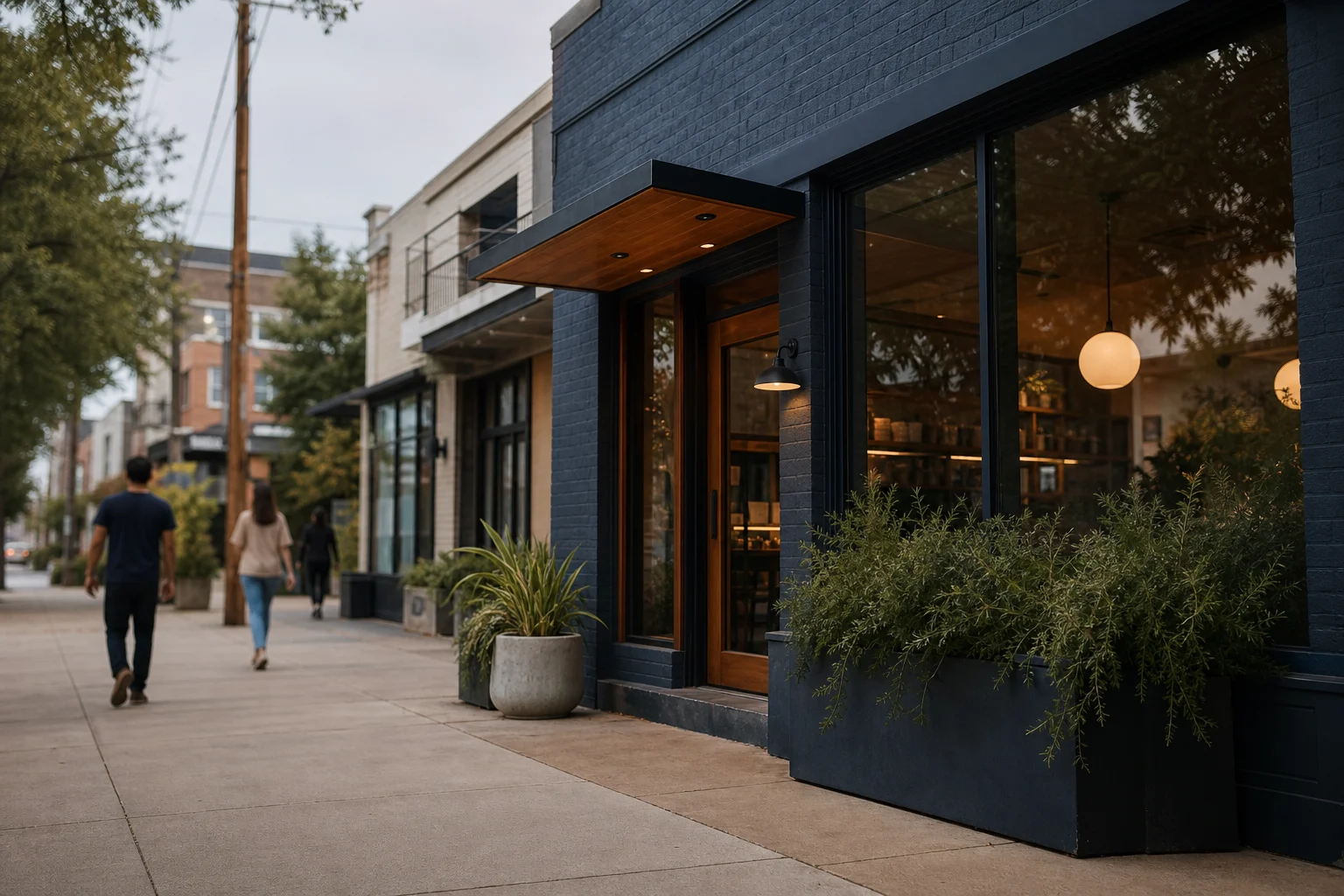
Why location fit matters for a dessert shop
Location is critical for any food business, but especially for dessert shops that rely on foot traffic and impulse purchases. A well-chosen neighborhood provides the right mix of residential density, accessibility, and complementary businesses to support your concept. The best neighborhoods for a dessert shop in Chicago balance these factors while minimizing direct competition and operating costs.
Dessert shops thrive in areas with high foot traffic, good transit connections, and a customer base that values quality treats. Your location should match your concept—whether you're targeting students, families, or professionals. The neighborhoods we've identified offer these advantages while presenting different opportunities for differentiation.
Top 3 neighborhoods to consider
Based on Locavisor neighborhood scoring from our 2026-05 snapshot, these three Chicago neighborhoods stand out as the best options for opening a dessert shop:
1. Hyde Park (6.4/10)
Hyde Park is your strongest bet — anchored by the University of Chicago with strong walkability, transit access, and a dense residential base. The existing dessert scene is thin: Insomnia Cookies (3.9★, 453 reviews) and Stan's Donuts (4.2★, 227 reviews) are the only direct competitors, leaving room for a differentiated specialty concept.
The market temperature is mixed with medium competition density and low rent levels. With a score confidence of 78%, Hyde Park offers a solid foundation for a dessert shop that can capture the student and local resident market. The area's cultural institutions and steady population provide year-round demand.
2. Chinatown (6.3/10)
Chinatown offers exceptional foot traffic and transit connectivity (CTA Red Line at Cermak-Chinatown) with a dense residential base. The dessert-specialty scene is sparse — only Golden Dragon Fortune Cookies (4.3★, 23 reviews) registers as a direct competitor.
This neighborhood's unique position as a cultural destination creates additional opportunities for tourist-driven dessert sales. The established food scene means customers are already open to trying new concepts, though you'll need to differentiate from traditional Chinese dessert offerings. The transit accessibility makes it easy for customers from across the city to visit.
3. Rogers Park (6.1/10)
Rogers Park combines Loyola University adjacency with strong residential density and good transit access (Red Line at Morse, Jarvis, Howard). Only one dessert-specialty competitor exists — Mickii's Cookies, Cobblers & More (4.8★, 18 reviews) — but it's limited to weekend-only hours, leaving the weekday dessert window wide open. Rent is roughly $30-50/sqft NNN.
The neighborhood's diverse demographic base provides a broad customer pool, while the university presence ensures consistent demand during academic terms. The limited competition, especially on weekdays, presents a clear opportunity for a well-positioned dessert shop to capture market share.
How the neighborhood scores are built
Locavisor neighborhood scoring evaluates each area based on five key factors: demand, competition, rent fit, accessibility, and customer match. Our algorithm analyzes these factors to produce an overall score from 1-10, helping founders identify the most promising locations for their specific business type.
Demand measures the existing market for dessert shops, including foot traffic patterns and consumer spending habits in the area. Competition density evaluates the number and quality of existing dessert businesses, while rent fit assesses whether commercial space costs align with typical revenue expectations for dessert shops.
Accessibility scores consider transit connections, parking availability, and walkability—critical factors for a business that relies on both local customers and visitors. Customer match evaluates how well the neighborhood's demographic profile aligns with your target market for desserts.
The final score represents a weighted combination of these factors, with higher scores indicating neighborhoods that offer the best balance of opportunity and challenges for a new dessert shop.
How to validate the shortlist before signing a lease
While our neighborhood scoring provides a strong starting point, you should conduct additional validation before committing to a location. Spend time in each neighborhood during different times of day and days of the week to observe foot traffic patterns and customer behavior.
Visit existing businesses, especially dessert shops, to understand their operating hours, pricing, and customer base. Talk to local business owners to get insights into the area's strengths and challenges. Consider conducting a small customer survey to gauge interest in your specific dessert concept.
Review local zoning regulations and permitting requirements to ensure your business model complies with neighborhood restrictions. Check for any planned developments or changes that might affect the area's character or accessibility in the coming years.
Common mistakes founders make in Chicago
Many dessert shop founders make avoidable mistakes when choosing a location in Chicago. One common error is underestimating the importance of transit accessibility. Chicago's weather extremes mean customers are less likely to walk long distances to reach your shop, especially during winter months.
Another mistake is failing to differentiate from existing competitors. While our analysis shows limited direct competition in these neighborhoods, you'll still need a clear value proposition to capture market share. Consider what makes your dessert concept unique and how that aligns with neighborhood preferences.
Some founders also overlook the importance of visibility and signage. Even in the best neighborhoods, a poorly visible location can significantly impact foot traffic. Ensure your shop has adequate signage and is positioned on a well-trafficked corridor.

FAQ
Where is the best location for A Dessert Shop in Chicago? Based on Locavisor neighborhood scoring, Hyde Park ranks as the best location for a dessert shop in Chicago with a score of 6.4/10. The neighborhood offers strong demand due to the University of Chicago, limited competition, and affordable rent levels.
How much does commercial space cost in these neighborhoods? Rent varies by neighborhood and specific location. In Rogers Park, commercial space costs roughly $30-50/sqft NNN. Hyde Park has low rent levels, while specific pricing for Chinatown wasn't included in our analysis.
What are the busiest times for dessert shops in these neighborhoods? While specific timing data wasn't included in our analysis, Rogers Park presents an opportunity with weekday availability, as its only competitor operates only on weekends. University neighborhoods like Hyde Park and Rogers Park likely see increased traffic during academic terms.
How do I differentiate my dessert shop from existing competitors? Our analysis shows limited direct competition in all three neighborhoods, but differentiation is still important. Consider developing a unique concept, specialized menu items, or exceptional customer service that aligns with neighborhood preferences and demographics.
What permits do I need to open a dessert shop in Chicago? Specific permit requirements weren't included in our analysis. You'll need to research Chicago's business licensing requirements and food service regulations, which may vary by neighborhood and business type.
Last reviewed: 2026-05-08
Sources: U.S. Census Bureau ACS, LEHD LODES, Google Places, OpenStreetMap, Locavisor neighborhood scoring.
Methodology: Locavisor scores neighborhoods across demand, competition fit, rent fit, accessibility, and customer match. Scores reflect a snapshot of recent data and should be combined with on-the-ground research before lease decisions.
Disclaimer: This article provides informational content only and does not constitute legal, financial, accounting, or real-estate advice. Verify lease terms, licensing, local regulations, costs, and professional requirements with qualified local professionals before making business decisions.
Free preview shows top 3 neighborhoods. Full $9.99 report covers all 10 areas with personalized scoring + 90-day check-ins.
Informational only. Verify lease, licensing, local regulations, costs, and professional requirements with qualified local professionals.