Denver, CO · dessert shop
Best neighborhoods for a dessert shop in Denver
Denver's dessert scene is growing, and finding the right neighborhood can make or break your business. As a small business founder, understanding the local market dynamics is crucial for success. Locavisor neighborhood scoring helps identify the best neighborhoods for a dessert shop in Denver based on demand, competition, rent fit, accessibility, and customer match.
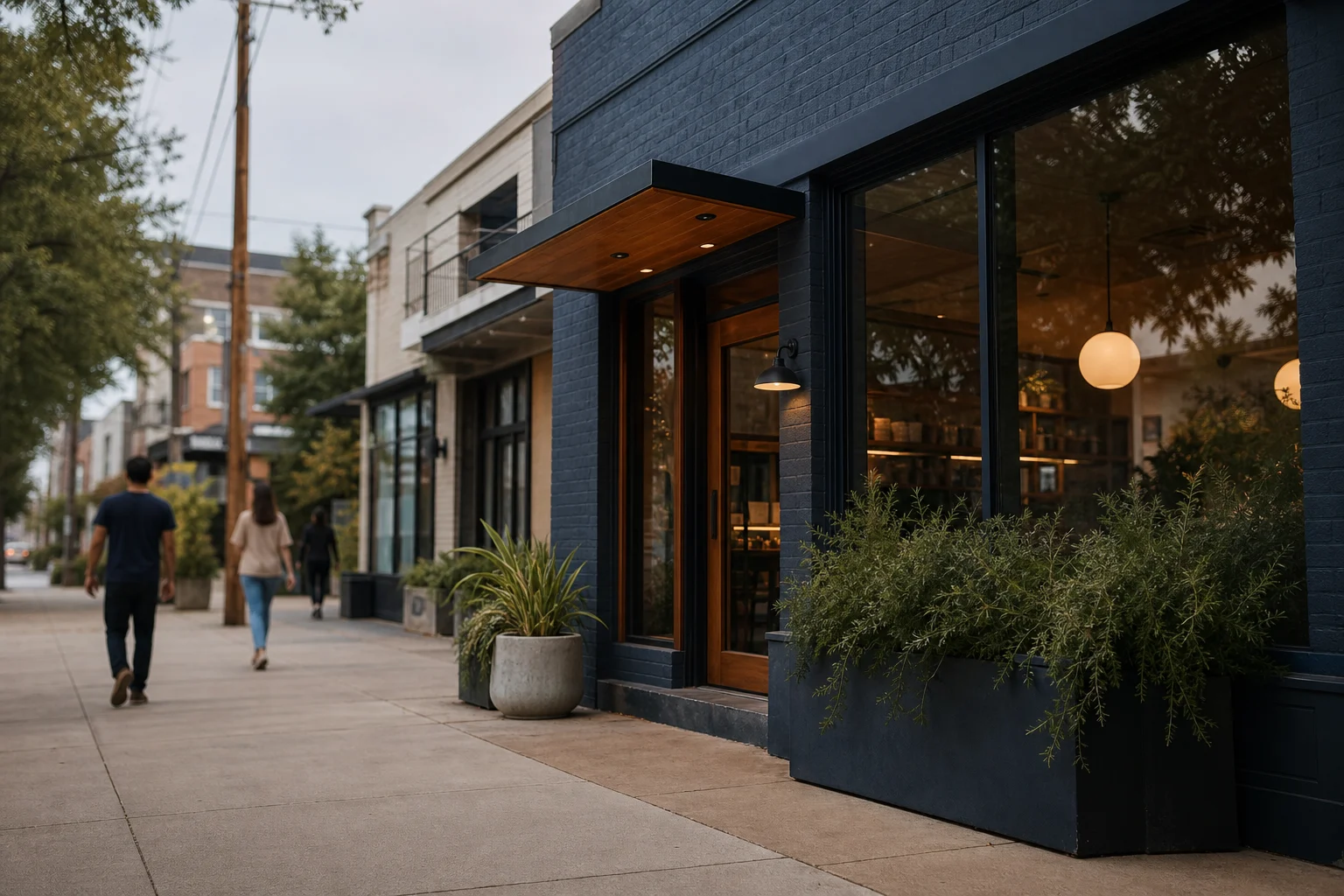
Why location fit matters for a dessert shop
Location is everything when opening a dessert shop. The right neighborhood can provide consistent foot traffic, target customers, and competitive pricing that allows your business to thrive. Denver's diverse neighborhoods offer different opportunities and challenges for dessert entrepreneurs. Some areas have high daytime office traffic, while others excel in evening and weekend crowds. Understanding these dynamics helps position your dessert shop for success.
Top 3 neighborhoods to consider
Based on Locavisor neighborhood scoring, here are the top three neighborhoods for opening a dessert shop in Denver:
1. LoDo (Lower Downtown) (6.9/10)
LoDo is Denver's highest-traffic urban core — Union Station, Larimer Square, Coors Field, and a dense office corridor. Walkability is maxed out, daytime worker pool is city-leading, and evening/late-night activity is strong. Rent runs roughly $30-50/sqft NNN, workable for a medium-budget operator.
The market temperature is mixed with medium competition density. With a score confidence of 78%, LoDo offers a solid foundation for a dessert shop that can capture both daytime office workers and evening entertainment seekers.
2. RiNo (River North Art District) (6.6/10)
RiNo is Denver's creative-class hub — murals, galleries, breweries, and The Denver Central Market anchor strong foot traffic. Walkability is strong, office density is above-average, and the evening scene is lively. Rent runs roughly $30-50/sqft NNN. No direct dessert-specialty competitors exist in the area, though Heaven Creamery (4.4★, 414 reviews) covers ice-cream adjacent.
The creative atmosphere of RiNo provides a unique opportunity for a dessert shop that can complement the existing food and beverage scene. The lack of direct competition in the dessert specialty space is a notable advantage for entrepreneurs looking to establish a foothold in this vibrant neighborhood.
3. Five Points (6.3/10)
Five Points is a historic jazz neighborhood along Welton Street with strong walkability, light-rail access, and a growing mix of coffee shops and eateries. Rent is more affordable at roughly $20-35/sqft NNN — a real advantage for a medium-budget operator.
Five Points offers a more budget-friendly option while still maintaining strong walkability and transit access. The neighborhood's growing food scene provides a supportive environment for a new dessert shop to establish itself and build a loyal customer base.
How the neighborhood scores are built
Locavisor neighborhood scoring evaluates potential business locations across multiple dimensions. For dessert shops specifically, the scoring system considers:
- Demand: Foot traffic patterns, daytime and evening activity levels
- Competition: Density of existing dessert businesses and similar food establishments
- Rent fit: Affordability relative to expected revenue streams
- Accessibility: Walkability, public transit access, and parking availability
- Customer match: Demographic alignment with typical dessert shop patrons
The scoring system uses a 10-point scale, with higher scores indicating better overall suitability for a dessert shop business. The confidence level indicates the reliability of the score based on data completeness and recency.
How to validate the shortlist before signing a lease
Before committing to a location, founders should conduct additional validation:
- Visit neighborhoods at different times of day and week to observe actual foot traffic patterns
- Research existing businesses in the area to understand customer demographics and spending habits
- Analyze parking availability and public transit connections
- Speak with local business owners about neighborhood dynamics and challenges
- Consider seasonal variations in foot traffic and customer behavior
The 2026-05 snapshot provides a solid foundation, but on-the-ground validation is essential for making the final decision.
Common mistakes founders make in Denver
When selecting a neighborhood for a dessert shop, founders often make several common mistakes:
- Overemphasizing rent savings while ignoring foot traffic and customer demographics
- Failing to research existing competition thoroughly
- Not considering neighborhood-specific regulations and requirements
- Underestimating the importance of visibility and accessibility
- Neglecting to validate data with on-the-ground research
Avoiding these pitfalls increases the likelihood of selecting a location that supports long-term business success.

FAQ
Where is the best location for A Dessert Shop in Denver?
Based on Locavisor neighborhood scoring, LoDo (Lower Downtown) ranks as the best location for a dessert shop in Denver with an overall score of 6.9/10. The neighborhood offers high foot traffic, a dense office workforce, strong evening activity, and rent levels that work for medium-budget operators.
What makes RiNo a good option for a dessert shop?
RiNo scores 6.6/10 and offers a creative-class atmosphere with strong walkability, above-average office density, and a lively evening scene. Notably, there are no direct dessert-specialty competitors in the area, though Heaven Creamery operates in the ice-cream adjacent space.
Is Five Points a budget-friendly option for a dessert shop?
Yes, Five Points offers more affordable rent at roughly $20-35/sqft NNN compared to LoDo and RiNo's $30-50/sqft NNN range. The neighborhood scores 6.3/10 and features strong walkability, light-rail access, and a growing mix of coffee shops and eateries.
How reliable are the neighborhood scores?
The scores have a confidence level of 78% based on the 2026-05 snapshot. While they provide a solid foundation for decision-making, founders should conduct additional on-the-ground validation before committing to a location.
What factors should I consider beyond the neighborhood scores?
Beyond the scores, consider factors like specific site visibility, parking availability, neighborhood regulations, seasonal variations in foot traffic, and alignment with your specific business concept and target market.
Last reviewed: 2026-05-08
Sources: U.S. Census Bureau ACS, LEHD LODES, Google Places, OpenStreetMap, Locavisor neighborhood scoring.
Methodology: Locavisor scores neighborhoods across demand, competition fit, rent fit, accessibility, and customer match. Scores reflect a snapshot of recent data and should be combined with on-the-ground research before lease decisions.
Disclaimer: This article provides informational content only and does not constitute legal, financial, accounting, or real-estate advice. Verify lease terms, licensing, local regulations, costs, and professional requirements with qualified local professionals before making business decisions.
Free preview shows top 3 neighborhoods. Full $9.99 report covers all 10 areas with personalized scoring + 90-day check-ins.
Informational only. Verify lease, licensing, local regulations, costs, and professional requirements with qualified local professionals.