Las Vegas, NV · dessert shop
Best neighborhoods for a dessert shop in Las Vegas
Finding the best neighborhoods for a dessert shop in Las Vegas requires careful analysis of local demand, competition, and operational costs. As a small business founder, your location choice will significantly impact your visibility, customer reach, and ultimately your profitability. Las Vegas offers diverse neighborhoods with unique characteristics that can either support or hinder a dessert business's success. This article ranks the top three neighborhoods based on Locavisor neighborhood scoring to help you make an informed decision.
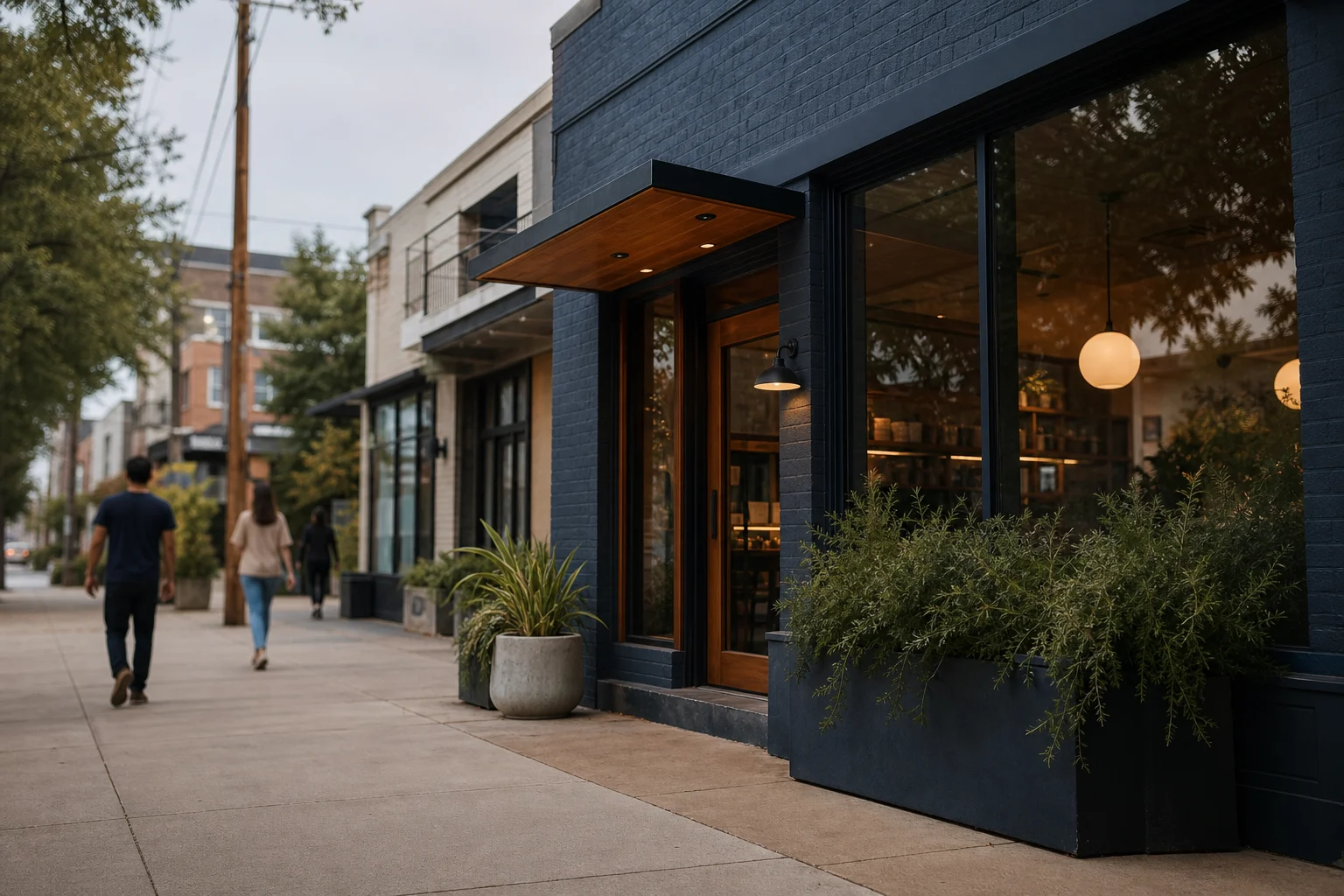
Why location fit matters for a dessert shop
Location is critical for any brick-and-mortar business, but especially for dessert shops that rely on impulse purchases and repeat customers. The right neighborhood can provide consistent foot traffic, appropriate demographic alignment, and manageable operating costs. Las Vegas presents unique challenges and opportunities for dessert entrepreneurs. The city's tourism-driven economy creates high-traffic areas, but these often come with premium rents and seasonal fluctuations. Meanwhile, residential neighborhoods offer more stable customer bases but may require stronger marketing efforts to build awareness. Understanding these dynamics is essential for selecting a location that aligns with your business model and budget.
Top 3 neighborhoods to consider
Based on Locavisor neighborhood scoring, three areas stand out as the best options for opening a dessert shop in Las Vegas. Each offers distinct advantages and challenges that you should carefully consider against your business strategy and resources.
Green Valley (6.1/10)
Green Valley is your strongest bet — a Henderson neighborhood corridor with strong daytime office density, solid residential reach, and zero direct dessert competitors. Rent runs roughly $30-50/sqft NNN, workable for a medium-budget operator. The evening daypart scores well, which matters for dessert impulse after 5 PM. This neighborhood presents an opportunity to establish a dessert business without direct competition, allowing you to capture market share before others recognize the potential. The combination of office workers during the day and residential customers in the evening creates a balanced customer base throughout the day.
UNLV Campus / Maryland Pkwy (5.9/10)
UNLV Campus / Maryland Pkwy delivers the highest student density in the metro and strong late-night potential, but you'll face two established dessert competitors: Crumbl (4.8★, 3,017 reviews) and Insomnia Cookies (4.3★, 1,054 reviews). Rent is low — roughly $20-35/sqft NNN — making this a volume play with thin margins per transaction. This location requires a strategy focused on high volume and potentially unique offerings that differentiate from existing competitors. The student population provides consistent demand, especially during academic terms, but the presence of established players means you'll need to compete effectively on price, product, or experience.
Lake Las Vegas (5.4/10)
Lake Las Vegas (downtown/Fremont East area) offers a strong walkability score and existing dessert-foot traffic from Pinkbox Doughnuts (4.4★, 792 reviews) and multiple ice-cream shops. Rent is roughly $20-35/sqft NNN. But the demand score is low — this corridor is tourist-and-bar driven, not residential-repeat for dessert. This location might appeal to entrepreneurs targeting tourists and evening entertainment seekers, but the lack of residential repeat customers could limit growth potential. The existing dessert establishments indicate market acceptance, but also suggest the area may be approaching saturation for certain dessert concepts.
How the neighborhood scores are built
Locavisor neighborhood scoring evaluates potential business locations across multiple dimensions to provide a comprehensive assessment. For dessert shops specifically, the scoring system considers demand, competition density, rent levels, accessibility, and customer match. Each factor receives a weighted score based on its importance to dessert shop success.
Demand measures the existing and potential customer base for dessert establishments in each neighborhood. This includes foot traffic patterns, demographic alignment with dessert consumers, and existing dessert-related search behavior. Competition density assesses the number and strength of existing dessert businesses in the area, helping identify underserved markets. Rent levels provide insight into operating costs, which directly impact profitability. Accessibility evaluates how easily customers can reach your location, considering factors like parking, public transportation, and walkability. Customer match analyzes whether the neighborhood's demographic profile aligns with your target customer base.
The final score represents a balanced view of these factors, with higher scores indicating locations that better support a dessert shop's success. The scoring system uses data from multiple sources to provide a nuanced view of each neighborhood's potential.
How to validate the shortlist before signing a lease
While neighborhood scoring provides valuable insights, successful founders conduct additional due diligence before committing to a location. Visit each neighborhood at different times of day and week to observe actual foot traffic patterns. Talk to local business owners about their experiences, challenges, and opportunities. Research local regulations and requirements specific to food service businesses in Las Vegas.
Consider conducting informal customer surveys in your top neighborhoods to gauge interest in your dessert concept. Analyze parking availability and accessibility, as these factors significantly impact customer convenience. Evaluate the visibility of potential locations from major streets and pedestrian pathways. Finally, assess the growth trajectory of each neighborhood to ensure your location will remain viable as the area evolves.
Common mistakes founders make in Las Vegas
Many dessert shop entrepreneurs in Las Vegas fall into avoidable traps that hinder their success. One common mistake is underestimating the seasonal nature of Las Vegas tourism, which can lead to inconsistent revenue throughout the year. Another error is failing to differentiate from existing competitors in popular areas like the Strip, where dessert businesses often struggle to stand out.
Some founders overestimate the tourist market while underestimating the importance of building a local customer base. Others neglect to research local health codes and permitting requirements specific to food service businesses. Pricing strategies that don't account for Las Vegas's cost of living and competitive landscape can also lead to financial difficulties. Finally, many new dessert shop owners underestimate the importance of location visibility and accessibility, factors that significantly impact walk-in traffic.

FAQ
Where is the best location for A Dessert Shop in Las Vegas?
Based on Locavisor neighborhood scoring, Green Valley ranks as the best location for a dessert shop in Las Vegas with a score of 6.1/10. This Henderson neighborhood offers strong daytime office density, solid residential reach, and no direct dessert competitors. Rent ranges from $30-50/sqft NNN, making it suitable for medium-budget operators. The evening performance is particularly strong, which is beneficial for dessert impulse purchases after 5 PM.
How important is competition when choosing a dessert shop location?
Competition density is a critical factor in location selection. Areas with no direct competitors, like Green Valley, present opportunities to establish market presence without immediate competition. However, locations with some competition, like UNLV Campus / Maryland Pkwy, may indicate existing demand but require differentiation strategies. The ideal balance depends on your business model, resources, and ability to compete effectively.
What rent levels can I expect for a dessert shop in Las Vegas?
Rent varies significantly by neighborhood. Green Valley rents range from $30-50/sqft NNN, while UNLV Campus / Maryland Pkwy and Lake Las Vegas offer lower rents at $20-35/sqft NNN. These figures represent triple net leases, which exclude property taxes, insurance, and maintenance costs. Your actual rent will depend on specific location within these neighborhoods, property size, and lease terms.
How does Las Vegas's tourism impact dessert shop locations?
Tourism creates high-traffic areas but often with seasonal fluctuations and premium rents. Neighborhoods like Lake Las Vegas attract tourists but may lack consistent residential customer bases. Successful dessert shops in tourist areas often develop strategies to capture both tourist and local markets. Green Valley and UNLV Campus / Maryland Pkwy offer more stable customer bases less dependent on tourism.
What should I consider beyond neighborhood scores when choosing a location?
Neighborhood scores provide valuable insights but should be supplemented with on-the-ground research. Visit potential locations at different times, observe foot traffic, and talk to local business owners. Consider parking availability, visibility, accessibility, and local regulations. Evaluate the growth trajectory of the neighborhood and whether it aligns with your long-term business vision.
How can I differentiate my dessert shop in competitive areas?
In areas with existing competition like UNLV Campus / Maryland Pkwy, differentiation is crucial. Consider unique product offerings, exceptional customer service, specialized niches, or innovative marketing strategies. Building a strong brand identity and community presence can help attract customers despite established competitors. Understanding your target customers' specific preferences and needs is essential for effective differentiation.
Last reviewed: 2026-05-08
Sources: U.S. Census Bureau ACS, LEHD LODES, Google Places, OpenStreetMap, Locavisor neighborhood scoring.
Methodology: Locavisor scores neighborhoods across demand, competition fit, rent fit, accessibility, and customer match. Scores reflect a snapshot of recent data and should be combined with on-the-ground research before lease decisions.
Disclaimer: This article provides informational content only and does not constitute legal, financial, accounting, or real-estate advice. Verify lease terms, licensing, local regulations, costs, and professional requirements with qualified local professionals before making business decisions.
Free preview shows top 3 neighborhoods. Full $9.99 report covers all 10 areas with personalized scoring + 90-day check-ins.
Informational only. Verify lease, licensing, local regulations, costs, and professional requirements with qualified local professionals.