Minneapolis, MN · dessert shop
Best neighborhoods for a dessert shop in Minneapolis
For small business founders looking to open a dessert shop in Minneapolis, choosing the right neighborhood is critical to success. The city offers diverse neighborhoods with different customer demographics, competition levels, and rental costs that can significantly impact your business's performance. Locavisor's neighborhood scoring system helps identify the best areas for a dessert shop based on demand, competition, rent fit, accessibility, and customer match.
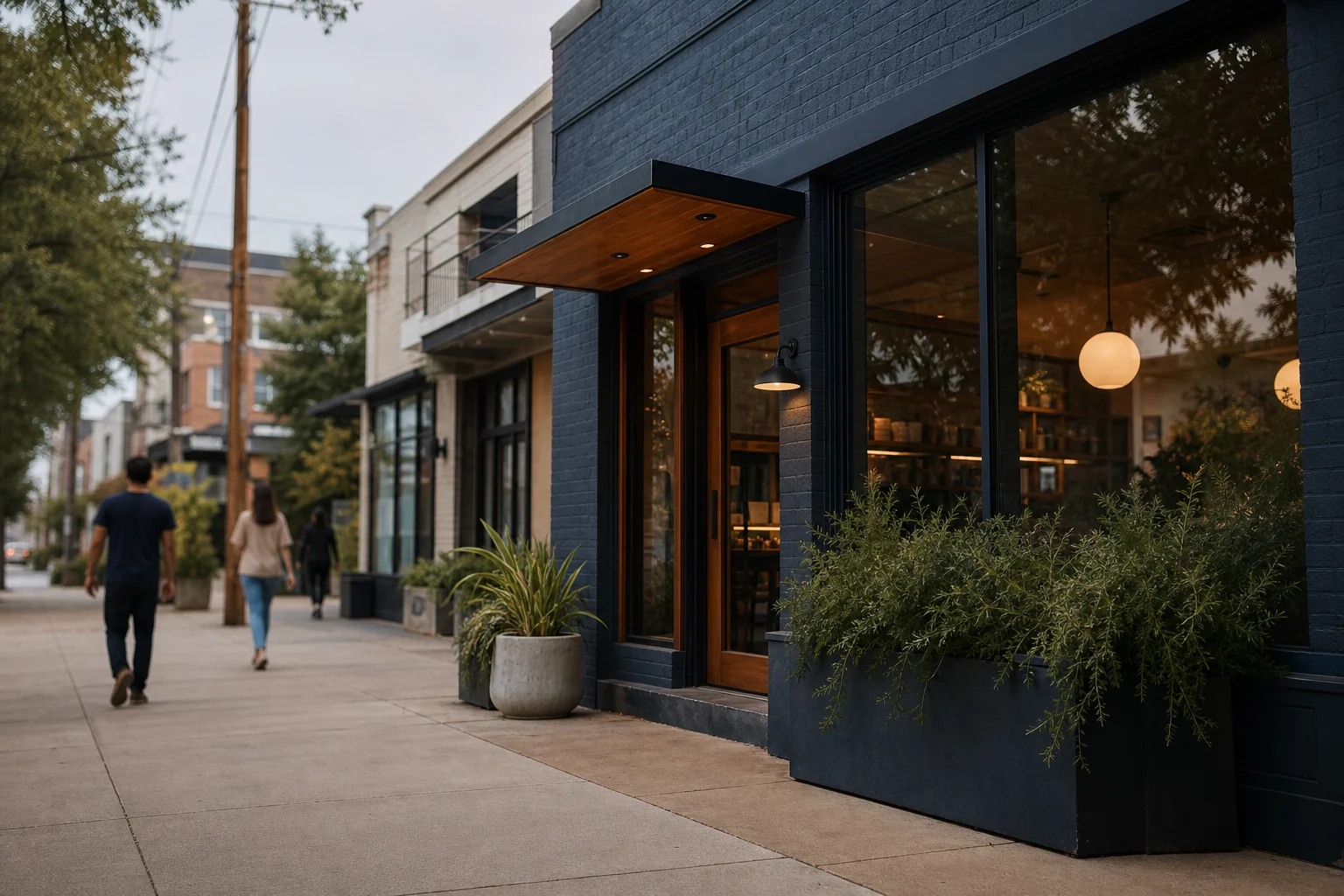
Why location fit matters for a dessert shop
Location is one of the most important factors for a dessert shop's success. A well-chosen neighborhood can provide consistent foot traffic, target the right customer demographic, and offer competitive rental costs. In Minneapolis, neighborhoods vary significantly in terms of daytime and evening population density, walkability, and existing food service competition.
Dessert shops thrive in areas with high foot traffic, especially near universities, entertainment districts, and residential neighborhoods with young professionals and families. The best locations balance sufficient demand with manageable competition and reasonable rental costs.
Market temperature in Minneapolis for dessert shops is mixed, with medium competition density and low rent levels. Locavisor's scoring system provides founders with data-driven insights to make informed decisions about where to open a dessert shop in Minneapolis.
Top 3 neighborhoods to consider
Based on Locavisor's neighborhood scoring, here are the top three areas for opening a dessert shop in Minneapolis:
Dinkytown (6.9/10)
Dinkytown is the top-ranked area for a dessert concept — student density is maxed out, walkability is near ceiling, and the evening/late-night daypart scores are city-leading. Two direct dessert competitors already operate within 35m (Insomnia Cookies at 4.3★/774 reviews, Bober Tea & Mochi Dough at 4.3★/341 reviews), proving demand but also requiring differentiation. The area offers a strong customer base with high student population density and excellent walkability, making it an ideal location for a dessert shop targeting young customers.
Stadium Village (6.8/10)
Stadium Village ranks just behind Dinkytown with a near-identical student profile but zero direct dessert competitors on record. The area sits at the TCF Bank Stadium / light-rail node with strong daytime population density and good transit access. Rent is roughly $30-50/sqft NNN — similar to Dinkytown. This neighborhood presents an opportunity for a dessert shop to establish itself without direct competition while benefiting from the high student population and excellent transit connections.
Cedar-Riverside (6.7/10)
Cedar-Riverside offers a different play: a dense, diverse residential corridor anchored by Augsburg University and the U of M West Bank, with strong transit via the Cedar-Riverside light-rail station. No direct dessert competitors exist, but Rebecca's Bakery & Cafe (4.8★, 528 reviews) operates nearby as a bakery-adjacent incumbent. This neighborhood provides a diverse customer base with strong transit access and no direct competition, making it an attractive option for a dessert shop looking to serve a varied demographic.
How the neighborhood scores are built
Locavisor's neighborhood scoring system evaluates areas based on several key factors relevant to dessert shop success:
Demand: Population density, foot traffic patterns, and existing food service establishments indicate customer demand for dessert options.
Competition: The number and quality of existing dessert shops and similar food service businesses in the area.
Rent fit: Rental costs relative to expected revenue potential and business size requirements.
Accessibility: Transit connections, parking availability, and walkability affect customer access.
Customer match: Demographic alignment with the target customer base for a dessert shop.
Each neighborhood receives a score from 1-10 based on these factors, with higher scores indicating better overall fit for a dessert shop. The scores are based on a 2026-05 snapshot of neighborhood data with a confidence level of 78%.
How to validate the shortlist before signing a lease
While neighborhood scoring provides valuable insights, founders should conduct additional validation before committing to a location:
Visit each neighborhood at different times of day and days of the week to observe actual foot traffic patterns.
Research local regulations and requirements for food service businesses in each area.
Talk to local business owners to understand neighborhood dynamics and any upcoming changes.
Consider the specific location within the neighborhood—corner spots with high visibility typically perform better.
Evaluate the condition and suitability of available commercial spaces for a dessert shop operation.

Common mistakes founders make in Minneapolis
When choosing a location for a dessert shop in Minneapolis, founders often make several common mistakes:
Underestimating the importance of evening and late-night foot traffic for dessert shops, which have different peak hours than many other food businesses.
Failing to research existing competition thoroughly, including both direct dessert competitors and similar businesses that could serve as substitutes.
Overlooking the impact of seasonal variations in foot traffic, particularly in Minneapolis's climate with cold winters.
Neglecting to consider the specific needs of a dessert shop, such as refrigeration requirements and customer seating expectations.
Choosing a location based solely on low rent without considering whether the area can generate sufficient revenue to sustain the business.
FAQ
Where is the best location for A Dessert Shop in Minneapolis?
Based on Locavisor's neighborhood scoring, Dinkytown is the best location for a dessert shop in Minneapolis with a score of 6.9/10. The area offers maximum student density, near-ceiling walkability, and city-leading evening/late-daypart scores. However, founders should note that there are already two direct dessert competitors in the area: Insomnia Cookies and Bober Tea & Mochi Dough.
How does competition affect the viability of a dessert shop location?
Competition density is a key factor in neighborhood scoring for dessert shops. While some competition indicates market demand, too much direct competition can make it difficult for a new business to gain market share. Areas with no direct competitors may present an opportunity but also require validation that sufficient demand exists.
What rental costs can I expect for a dessert shop in Minneapolis?
According to Locavisor's data, rent levels in Minneapolis for suitable dessert shop locations are generally low, with areas like Dinkytown and Stadium Village having rents in the $30-50/sqft NNN range. However, actual costs can vary significantly based on specific location within neighborhoods, building condition, and space size.
How important is transit access for a dessert shop?
Transit access is an important factor in neighborhood scoring, particularly for dessert shops that may rely on customers who don't have personal vehicles. Areas with light-rail stations, such as Stadium Village and Cedar-Riverside, offer strong transit connections that can expand the potential customer base.
What is the market temperature for dessert shops in Minneapolis?
The market temperature for dessert shops in Minneapolis is mixed, with medium competition density and low rent levels. This suggests that while there is opportunity for new businesses, founders should be prepared for competitive pressure and focus on differentiation.
Last reviewed: 2026-05-08
Sources: U.S. Census Bureau ACS, LEHD LODES, Google Places, OpenStreetMap, Locavisor neighborhood scoring.
Methodology: Locavisor scores neighborhoods across demand, competition fit, rent fit, accessibility, and customer match. Scores reflect a snapshot of recent data and should be combined with on-the-ground research before lease decisions.
Disclaimer: This article provides informational content only and does not constitute legal, financial, accounting, or real-estate advice. Verify lease terms, licensing, local regulations, costs, and professional requirements with qualified local professionals before making business decisions.
Free preview shows top 3 neighborhoods. Full $9.99 report covers all 10 areas with personalized scoring + 90-day check-ins.
Informational only. Verify lease, licensing, local regulations, costs, and professional requirements with qualified local professionals.