New Orleans, LA · dessert shop
Best neighborhoods for a dessert shop in New Orleans
For small-business founders looking to open a dessert shop in New Orleans, location is everything. The city's unique culture, tourism appeal, and local dining scene create both opportunities and challenges for new dessert businesses. Based on Locavisor's location intelligence data, the CBD/Warehouse District emerges as the top neighborhood for a dessert shop, with a score of 4.4/10 and a confidence level of 78%.
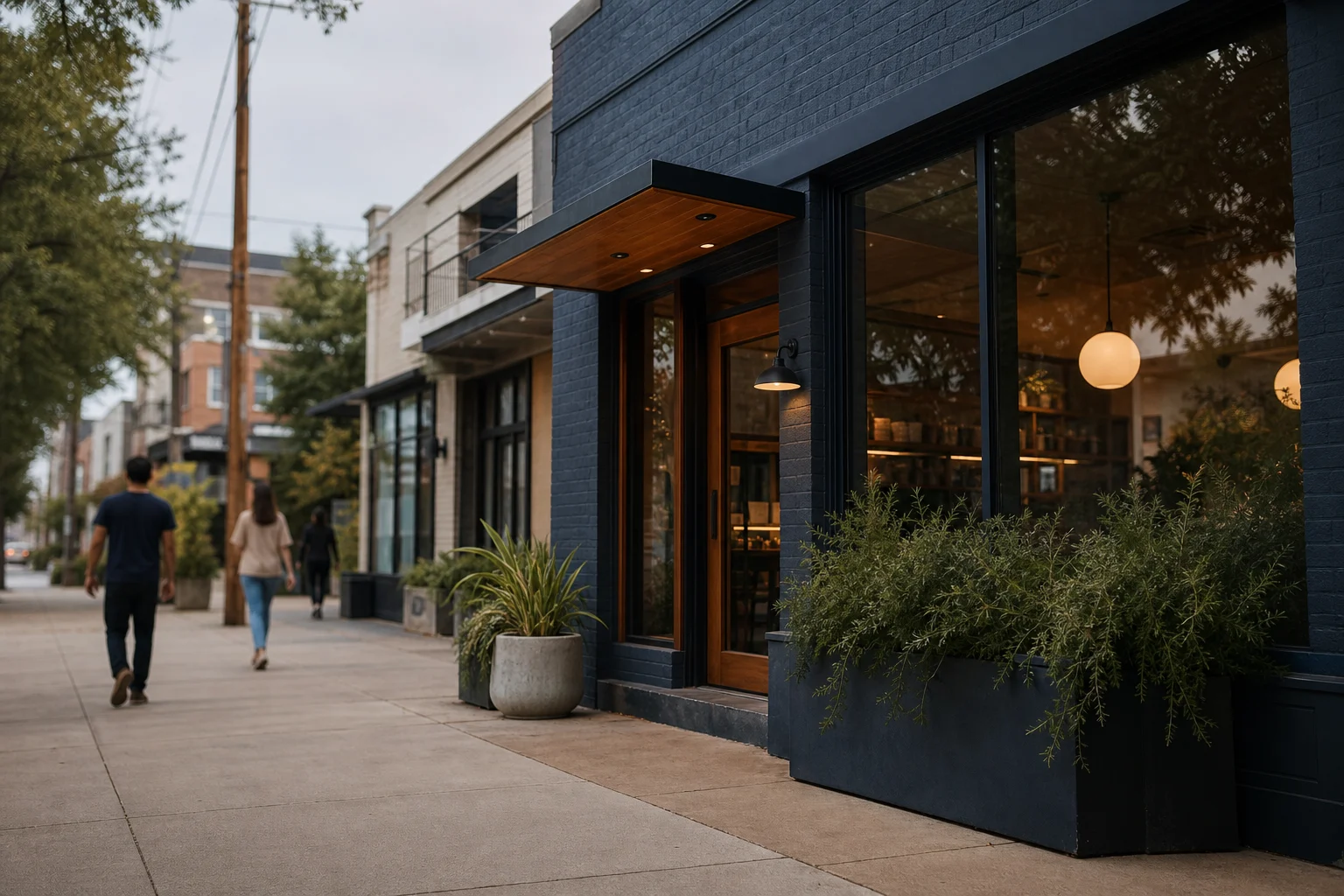
Where is the best location for a dessert shop in New Orleans?
The answer depends on your business model, target audience, and operational needs. New Orleans offers several promising neighborhoods for dessert shops, each with distinct advantages. The CBD/Warehouse District leads our rankings with a score of 4.4/10, followed closely by Magazine Street, French Quarter, Tulane/Loyola Area, and Bywater, all scoring 4.2-4.3/10. These neighborhoods offer different customer demographics, foot traffic patterns, and operational considerations that could make or break your dessert shop venture.
When evaluating neighborhoods for your dessert shop, consider factors like:
- Proximity to office workers and students
- Tourist density versus local customer base
- Rent costs and availability
- Competition landscape
- Parking and accessibility
- Local regulations and permitting
New Orleans' dessert scene has both established players and room for innovation. The city's love for sweets, from beignets to pralines, creates a receptive market. However, standing out requires understanding the local landscape and choosing the right neighborhood for your concept.
Top neighborhoods for a dessert shop in New Orleans
Let's examine the top five neighborhoods for opening a dessert shop in New Orleans, based on Locavisor's comprehensive scoring system:
CBD / Warehouse District (Score: 4.4/10)
The Central Business District and Warehouse District combine commercial office space with retail outlets and tourist attractions. With a rent band of $12-$32/sqft/yr NNN, this area offers mid-range commercial space costs. Key anchors include Riverwalk Outlets and Canal Place shopping malls, along with major office complexes like Connect Hub Coworking at 400 Poydras Tower and HQ - New Orleans - Place St. Charles. Educational institutions like Delta International University of New Orleans and NationsUniversity, plus the Amtrak Station, contribute to consistent foot traffic throughout the day.
This neighborhood benefits from:
- High daytime foot traffic from office workers
- Tourist presence near major attractions
- Diverse customer base including locals and visitors
- Good public transit access via St Charles at Poydras
Magazine Street (Score: 4.3/10)
Magazine Street offers a more eclectic shopping experience with a rent band of $12-$32/sqft/yr NNN. The area features Riverwalk Outlets and Canal Place malls, along with office spaces like UrbanHUB | LGD and FRAMEWORK. LSU Health Sciences Center School of Public Health and Delta International University of New Orleans provide student customers, while transit options at Canal and Magazine and Magazine St. at Gravier St. ensure accessibility.
Magazine Street's strengths include:
- Established retail corridor with built-in foot traffic
- Mix of local residents and tourists
- Proximity to educational institutions
- Vibrant, walkable shopping district
French Quarter (Score: 4.3/10)
The iconic French Quarter, with its rent band of $12-$32/sqft/yr NNN, remains a top destination for both tourists and locals. Key locations include Canal Place and Shops At Jax Brewery malls, plus offices like HQ - New Orleans - Place St. Charles and 400 Poydras Tower. Educational institutions like Delta International University of New Orleans and NationsUniversity, combined with transit options at Regional Transit Authority and French Market Station, create a dynamic customer environment.
Considerations for the French Quarter:
- High tourist traffic year-round
- Premium location with corresponding costs
- Intense competition
- Historic district regulations
Tulane / Loyola Area (Score: 4.3/10)
This university-adjacent neighborhood offers a rent band of $12-$32/sqft/yr NNN and benefits from student populations at Tulane University School of Public Health and Tropical Medicine and Tulane University. Commercial anchors include Riverwalk Outlets, Canal Place, and the 1555 Poydras Building, with transit options at Tulane @ Loyola and Loyola @ Tulane ensuring good accessibility.
The Tulane/Loyola Area provides:
- Consistent student customer base
- Academic community presence
- Mix of residential and commercial spaces
- Proximity to other dining establishments
Bywater (Score: 4.2/10)
Bywater, with its rent band of $12-$32/sqft/yr NNN, offers a more residential and artistic neighborhood vibe. Commercial anchors include Canal Place, Riverwalk Outlets, and offices like The Warehouse and National Rice Mill Lofts. Educational institutions like Bard Early College New Orleans and New Orleans Center for Creative Arts, plus transit at St Claude at Alvar and Elysian Fields Ave, serve the local community.
Bywater's advantages:
- Strong local community focus
- Artistic and creative atmosphere
- Potential for unique, neighborhood-specific concept
- Lower tourist saturation than other areas
Neighborhood comparison table
| Neighborhood | Score | Rent Band | Key Advantages | Customer Base |
|---|---|---|---|---|
| CBD / Warehouse District | 4.4/10 | $12-$32/sqft/yr NNN | High office worker traffic, tourist presence, diverse customer base | Office workers, tourists, locals |
| Magazine Street | 4.3/10 | $12-$32/sqft/yr NNN | Established retail corridor, mix of residents and tourists | Locals, tourists, students |
| French Quarter | 4.3/10 | $12-$32/sqft/yr NNN | Iconic location, year-round traffic, premium positioning | Tourists, locals, international visitors |
| Tulane / Loyola Area | 4.3/10 | $12-$32/sqft/yr NNN | Student population, academic community, dining district | Students, faculty, locals |
| Bywater | 4.2/10 | $12-$32/sqft/yr NNN | Local community focus, artistic atmosphere, unique concept potential | Locals, artists, neighborhood residents |
How to validate the shortlist before signing a lease
Before committing to a neighborhood, conduct thorough due diligence. Visit each area at different times of day and days of the week to understand foot traffic patterns. Observe customer demographics and spending behaviors. Talk to local business owners about their experiences with the area's commercial environment.
Research local regulations specific to each neighborhood. The French Quarter, for example, has additional historic district requirements that could impact your operations and costs. Contact the New Orleans City Planning Commission to understand zoning regulations and permitting processes for food establishments in your target neighborhoods.
Evaluate competition density by visiting existing dessert shops and cafes. Note their offerings, pricing, and customer traffic. In the CBD/Warehouse District, you might find established players like Hurts Donut Company, which has built a strong reputation with 4.3 stars from 376 reviews. Understanding what works (and what doesn't) for existing businesses can inform your own strategy.
Consider accessibility and parking. New Orleans has limited parking in many neighborhoods, so evaluate public transit options and customer convenience. Neighborhoods with good transit connections, like those near St Charles at Poydras or Canal and Magazine, may attract customers who don't drive.
Local competition signals to check
When assessing competition, look beyond just other dessert shops. Cafes, bakeries, and restaurants with dessert menus all compete for the same customer dollars. In New Orleans, the dessert market includes established players and newer concepts.
Customer reviews provide valuable insights into what works in the local market. Reviews of existing businesses highlight preferences for "high-quality, fresh pastries and beignets with excellent flavors" and "fast, friendly service." However, some businesses struggle with "staff member perceived as dismissive and potentially discriminatory" or "20-minute wait cited due to large group ordering ahead."
Pricing appears to be a sensitive area. While some customers note "value appears reasonable given quality and portion sizes," others mention "no specific pricing feedback" or "no pricing discussion in reviews." This suggests customers appreciate transparency and fair pricing relative to quality.
Service quality differentiates successful businesses. Those with "accommodating even during rush/closing times; staff unhurried and patient with walk-ins" and "phenomenal and friendly; no wait time concerns mentioned" tend to receive positive reviews. Training staff to handle rush periods and maintain quality during peak times is crucial.

FAQ
Q: What are the average rent costs for commercial space in New Orleans dessert shop neighborhoods?
Q: How important is foot traffic for a dessert shop in New Orleans? A: Extremely important. Neighborhoods with high foot traffic, particularly those with office workers, students, and tourists, tend to perform better. The CBD/Warehouse District benefits from office workers, while Magazine Street and French Quarter attract both locals and tourists.
Q: Are there specific regulations for opening a dessert shop in the French Quarter? A: Yes, the French Quarter is a historic district with additional regulations. You'll need to comply with both standard food service permits and historic district requirements. Contact the New Orleans City Planning Commission and the French Quarter Business Association for specific guidelines.
Q: Which neighborhood offers the best mix of local and tourist customers? A: Magazine Street provides a good balance, with both established local residents and consistent tourist traffic. The CBD/Warehouse District offers more office workers during weekdays, while the French Quarter is heavily tourist-focused.
Q: How does student presence impact dessert shop success? A: Student populations, like those near Tulane and Loyola universities, provide consistent daytime and evening customers. These customers often have regular schedules and disposable income for treats, making university-adjacent neighborhoods attractive for dessert shops.
Last reviewed: 2026-05-30
Sources: U.S. Census Bureau ACS, LEHD LODES, Google Places, OpenStreetMap, Locavisor neighborhood scoring.
Methodology: Locavisor scores neighborhoods across demand, competition fit, rent fit, accessibility, and customer match. Scores reflect a snapshot of recent data and should be combined with on-the-ground research before lease decisions.
Disclaimer: This article provides informational content only and does not constitute legal, financial, accounting, or real-estate advice. Verify lease terms, licensing, local regulations, costs, and professional requirements with qualified local professionals before making business decisions.
Free preview shows top 3 neighborhoods. Full $9.99 report covers all 10 areas with personalized scoring + 90-day check-ins.
Informational only. Verify lease, licensing, local regulations, costs, and professional requirements with qualified local professionals.