Seattle, WA · dessert shop
Best neighborhoods for a dessert shop in Seattle
Finding the perfect location is critical for any dessert shop business. When considering the best neighborhoods for a dessert shop in Seattle, location intelligence becomes your most valuable asset. The right neighborhood can mean the difference between thriving and merely surviving in Seattle's competitive dessert market. Locavisor's neighborhood scoring helps founders make data-driven decisions about where to open a dessert shop in Seattle.
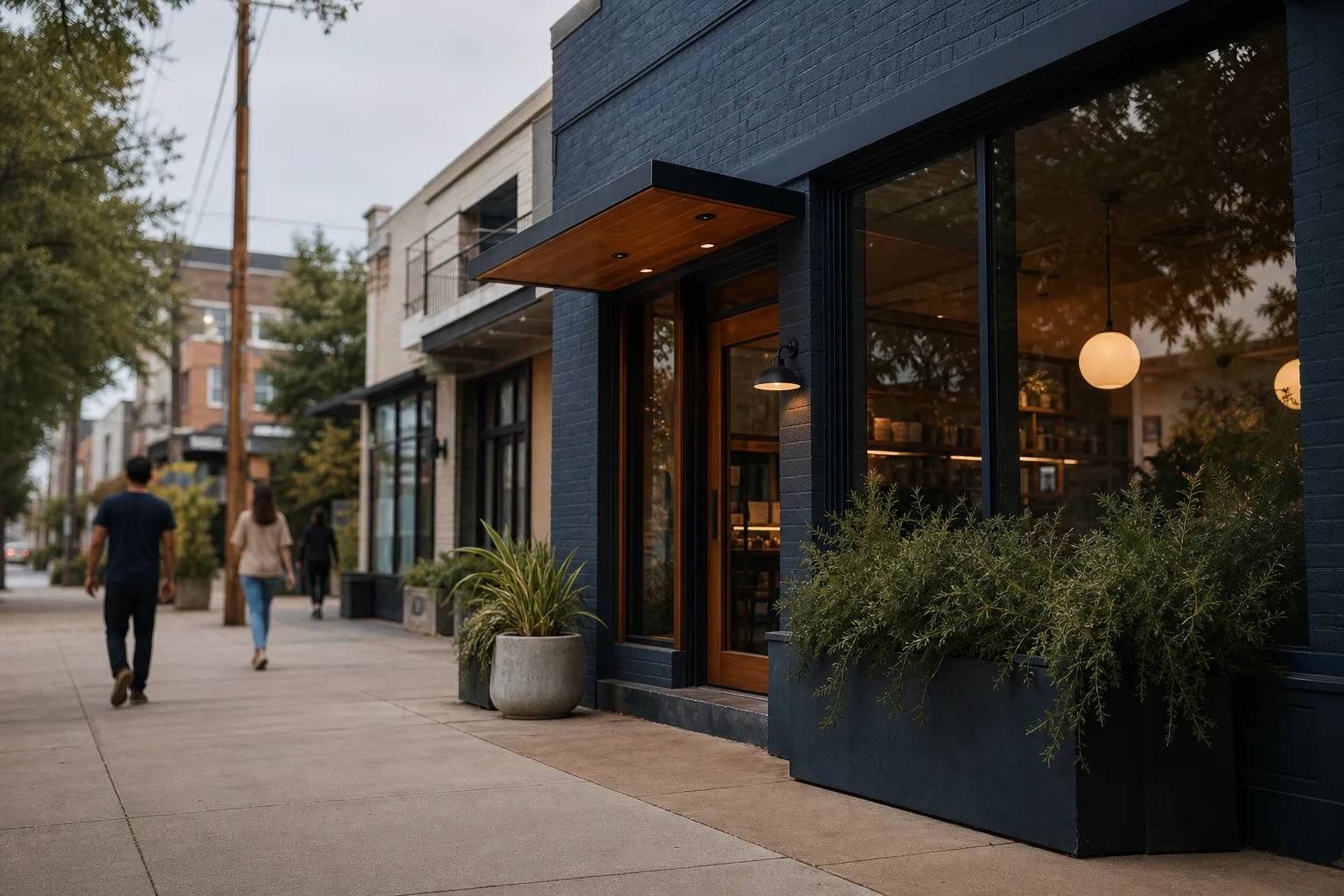
Why location fit matters for a dessert shop
Location isn't just about visibility—it's about aligning your business with the right customer base at the right time. Dessert shops thrive on impulse purchases, foot traffic, and repeat visits. Your ideal neighborhood should match your concept's price point, operating hours, and customer profile. A gelato shop near a university needs different attributes than a high-end patisserie in an affluent residential area. Seattle's diverse neighborhoods offer distinct advantages depending on your specific dessert concept and target market.
Top 3 neighborhoods to consider
Based on Locavisor neighborhood scoring, these three Seattle neighborhoods stand out as the best areas for a dessert shop in Seattle:
U-District (University District) (7.1/10)
The U-District is your strongest play—maxed-out student density, strong walkability, and a late-night daypart profile that aligns perfectly with dessert impulse buying. Two direct competitors (Insomnia Cookies 4.0★, Donut Factory 4.3★) exist but leave room for a differentiated concept. Market temperature is promising with medium competition density and low rent levels. Score confidence sits at 82% based on the 2026-05 snapshot.
Wallingford (6.8/10)
Wallingford's N 45th St corridor is a strong neighborhood play—dense residential, indie F&B scene, and above-average affluence. Two dessert competitors (Doce Donut Co 4.5★, Cookie Crave & Creamery 4.7★) but both have limited hours. Expect roughly $30-50/sqft NNN. The evening daypart is strong, and the residential density supports a neighborhood-repeat model. This neighborhood offers a solid balance of competition and opportunity.
Roosevelt (6.3/10)
Roosevelt is an emerging corridor anchored by the light rail station and Roosevelt Square. No direct dessert-specialty competitors exist within the area, which is both an opportunity and a risk—the dessert demand hasn't been proven here yet. Expect roughly $30-50/sqft NNN. Office density is above-average, giving weekday lunch traffic that the U-District lacks. This location might appeal to founders willing to pioneer a new dessert market.
How the neighborhood scores are built
Locavisor's neighborhood scoring evaluates multiple factors specific to dessert shop success. Each neighborhood receives a score based on demand indicators, competition analysis, rent affordability, accessibility metrics, and customer profile alignment. The scoring system weights factors according to their importance for dessert businesses, considering foot traffic patterns, nearby complementary businesses, and demographic characteristics that correlate with dessert consumption.
The U-District leads with its high student population and late-night activity, while Wallingford offers strong residential appeal and established food culture. Roosevelt presents an opportunity with less competition but requires more validation of dessert demand. Each score reflects the neighborhood's potential for a dessert shop concept, with higher scores indicating better alignment with successful dessert business characteristics.
How to validate the shortlist before signing a lease
Before committing to a location, conduct your own validation of these neighborhoods. Visit each area during different times of day and days of the week. Observe foot traffic patterns and note where people are coming from and going to. Count potential customers during your planned operating hours. Talk to local business owners about neighborhood dynamics and seasonal variations.
Check for complementary businesses that could drive traffic to your dessert shop. Coffee shops, restaurants, and entertainment venues often create natural dessert opportunities. Verify that the neighborhood's demographic profile matches your target customer. Consider accessibility factors like parking availability and public transportation connections. This ground truthing will help confirm whether the neighborhood scoring aligns with your specific concept and business model.
Common mistakes founders make in Seattle
Many dessert shop founders underestimate the importance of daypart alignment in their chosen neighborhood. A location perfect for afternoon tea service may struggle with evening dessert traffic. Others fail to properly assess competition density, assuming that multiple existing dessert shops indicate market saturation rather than proven demand.
Some founders focus too heavily on rent costs without considering the total cost of doing business in a neighborhood. Higher rents in premium areas may be justified by better sales potential. Others neglect to account for neighborhood-specific regulations that might affect operations, such as outdoor seating restrictions or parking requirements. Understanding these nuances can prevent costly mistakes after you've already committed to a location.

FAQ
Where is the best location for A Dessert Shop in Seattle?
Based on Locavisor neighborhood scoring, the U-District (University District) ranks as the best location for a dessert shop in Seattle with a score of 7.1/10. This neighborhood offers maxed-out student density, strong walkability, and a late-night daypart profile that aligns perfectly with dessert impulse buying. While two direct competitors exist (Insomnia Cookies 4.0★, Donut Factory 4.3★), there remains room for a differentiated concept in this promising market with medium competition density and low rent levels.
How important is walkability for a dessert shop?
Walkability is crucial for dessert shops as they often rely on impulse purchases and foot traffic. The U-District's strong walkability score directly contributes to its high ranking. Neighborhoods with pedestrian-friendly streets, mixed-use development, and destinations that draw people out of their cars create more opportunities for dessert impulse buys.
What rent should I expect in these neighborhoods?
Rent varies by neighborhood but generally falls within $30-50/sqft NNN in both Wallingford and Roosevelt. The U-District offers lower rent levels, which helps offset the investment needed to establish a presence in this high-demand area. Remember that rent is just one factor in your location decision—consider total occupancy costs and potential revenue when evaluating affordability.
Are there any dessert shop trends I should consider?
Seattle's dessert scene shows growing interest in artisanal, locally-sourced ingredients and innovative flavor combinations. Neighborhoods with established food cultures like Wallingford may be more receptive to these concepts. The U-District's student population might respond better to value-oriented options. Consider how your concept aligns with neighborhood preferences when choosing your location.
How can I differentiate my dessert shop in competitive areas?
Differentiation comes from concept, product, and experience. In areas like the U-District with established competitors, consider unique offerings, extended hours that competitors don't maintain, or specialized products that fill gaps in the market. Your location intelligence should inform how you position your business to capture the specific customer segments in each neighborhood.
Last reviewed: 2026-05-08
Sources: U.S. Census Bureau ACS, LEHD LODES, Google Places, OpenStreetMap, Locavisor neighborhood scoring.
Methodology: Locavisor scores neighborhoods across demand, competition fit, rent fit, accessibility, and customer match. Scores reflect a snapshot of recent data and should be combined with on-the-ground research before lease decisions.
Disclaimer: This article provides informational content only and does not constitute legal, financial, accounting, or real-estate advice. Verify lease terms, licensing, local regulations, costs, and professional requirements with qualified local professionals before making business decisions.
Free preview shows top 3 neighborhoods. Full $9.99 report covers all 10 areas with personalized scoring + 90-day check-ins.
Informational only. Verify lease, licensing, local regulations, costs, and professional requirements with qualified local professionals.