Minneapolis, MN · dry cleaner
Best neighborhoods for a dry cleaner in Minneapolis
Finding the right location can make or break your dry cleaning business. When searching for the best neighborhoods for a dry cleaner in Minneapolis, you need to balance visibility, accessibility, competition, and cost. This guide breaks down the top areas based on Locavisor neighborhood scoring, helping you make an informed decision for your new venture.
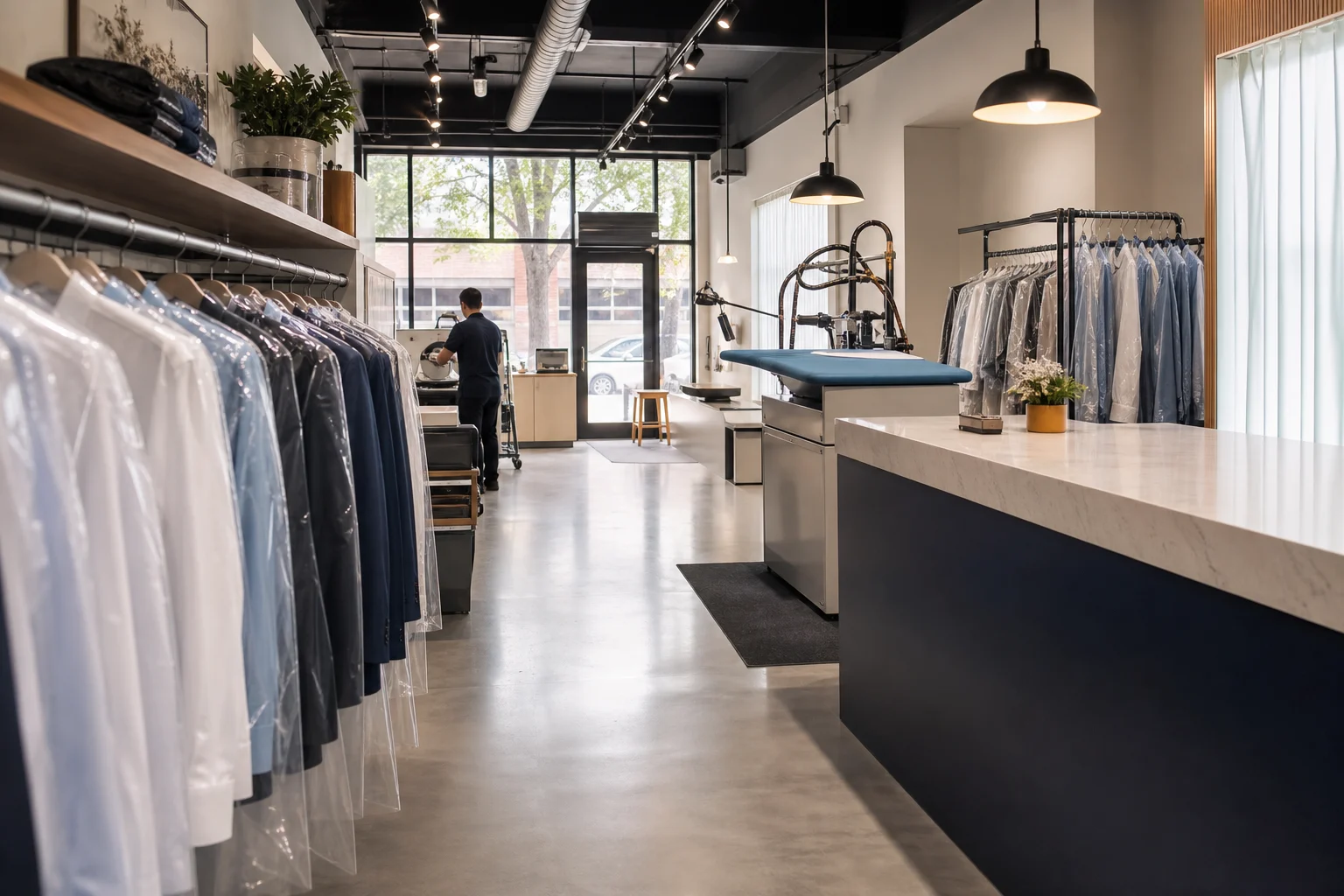
Why location fit matters for a dry cleaner
Location is critical for a dry cleaning business. You need visibility for walk-in customers, accessibility for drop-offs and pickups, and proximity to your target market. A great location can reduce customer acquisition costs while increasing foot traffic. The best neighborhoods for a dry cleaner in Minneapolis offer a balance of residential and commercial traffic, reasonable rent, and manageable competition.
Top 3 neighborhoods to consider
Based on Locavisor neighborhood scoring, here are the top three areas to consider for your dry cleaning business in Minneapolis:
Lowry Hill (7.3/10)
Lowry Hill ranks #1 for dry-cleaner placement — zero direct competitors within 800m, maxed-out office density feeding weekday drop-off, and strong residential density for evening/weekend pickup. The Walker Art Center / Sculpture Garden corridor draws a professional-to-tourist mix. Rent is the big win here: expect roughly $20-35/sqft NNN, well within medium-budget range.
The market temperature is promising with medium competition density and medium-high rent levels. Score confidence sits at 82% based on the 2026-05 snapshot.
North Loop (7.2/10)
North Loop is the trendy warehouse-district corridor with sky-high daytime population density and maxed-out office scores — ideal for a commuter-focused dry cleaner. No direct competitors exist in the area. The catch: rent runs roughly $65-95/sqft NNN, which is premium for a medium-budget operator.
This neighborhood offers strong potential despite the higher rent costs, with no existing competition and excellent daytime traffic from office workers.
Downtown (6.5/10)
Downtown (Lowertown/Nicollet Mall corridor) has one existing dry cleaner — Anderson Cleaners (1.0★, 1 review) — which is essentially a non-factor. The area has strong daytime population density and parking/transit access, but office density is only above-average (not maxed), and the WFH headwind is a real concern for a dry cleaner dependent on 9-5 commuters.
While Downtown offers good visibility and accessibility, the work-from-home trend presents a challenge for businesses relying on office workers.
How the neighborhood scores are built
Locavisor neighborhood scoring evaluates multiple factors to determine the best areas for a dry cleaner in Minneapolis. The system considers demand metrics like population density and office foot traffic, competition analysis including existing dry cleaners and similar businesses, rent levels relative to business size, accessibility factors like parking and transit, and customer match with the neighborhood demographic profile.
Each neighborhood receives an overall score from 1-10, with higher scores indicating better potential for a dry cleaning business. The scoring system also provides confidence levels based on data completeness and reliability.
How to validate the shortlist before signing a lease
Before committing to a location, conduct thorough due diligence. Visit each neighborhood at different times of day to observe traffic patterns. Talk to local business owners about their experiences. Check with the city about any zoning restrictions or special requirements for dry cleaning businesses.
Consider conducting a small customer survey in your target neighborhoods to gauge interest. Look at parking availability and accessibility, especially during peak hours. Finally, verify the rent figures and understand what's included in the lease agreement.
Common mistakes founders make in Minneapolis
One common mistake is underestimating the impact of rent on profitability. While premium locations like North Loop offer high visibility, the rent costs might not be sustainable for a new business. Another error is failing to account for seasonality in certain neighborhoods.
Some founders also overlook the importance of visibility from main streets. A location in a back alley might have lower rent but significantly less walk-in traffic. Finally, don't assume that areas with high residential density automatically translate to dry cleaning customers—professional demographics matter more.

FAQ
Where is the best location for A Dry Cleaner in Minneapolis?
Based on Locavisor neighborhood scoring, Lowry Hill is the best location for a dry cleaner in Minneapolis with an overall score of 7.3/10. It offers zero direct competitors within 800m, maxed-out office density for weekday drop-offs, strong residential density for evening/weekend pickups, and reasonable rent at $20-35/sqft NNN.
How much rent should I expect for a dry cleaner in Minneapolis?
Rent varies significantly by neighborhood. In Lowry Hill, expect roughly $20-35/sqft NNN, while in North Loop, rent runs approximately $65-95/sqft NNN. Downtown locations would fall somewhere in between these ranges.
Are there any specific regulations for dry cleaners in Minneapolis?
While this article focuses on location selection rather than regulatory guidance, it's important to research local health and environmental regulations specific to dry cleaning operations before finalizing your location.
How important is competition when choosing a location?
Competition is a critical factor. Lowry Hill has zero direct competitors within 800m, while Downtown has one existing dry cleaner with poor ratings (Anderson Cleaners at 1.0★, 1 review). Areas with no competition or only poorly-rated competitors present better opportunities.
What's the best time of day to assess a potential location?
Visit potential locations at multiple times to get a complete picture. Morning and evening rush hours are important for assessing commuter traffic, while midday and weekend visits help evaluate residential customer patterns.
Last reviewed: 2026-05-08
Sources: U.S. Census Bureau ACS, LEHD LODES, Google Places, OpenStreetMap, Locavisor neighborhood scoring.
Methodology: Locavisor scores neighborhoods across demand, competition fit, rent fit, accessibility, and customer match. Scores reflect a snapshot of recent data and should be combined with on-the-ground research before lease decisions.
Disclaimer: This article provides informational content only and does not constitute legal, financial, accounting, or real-estate advice. Verify lease terms, licensing, local regulations, costs, and professional requirements with qualified local professionals before making business decisions.
Free preview shows top 3 neighborhoods. Full $9.99 report covers all 10 areas with personalized scoring + 90-day check-ins.
Informational only. Verify lease, licensing, local regulations, costs, and professional requirements with qualified local professionals.