Philadelphia, PA · dry cleaner
Best neighborhoods for a dry cleaner in Philadelphia
Finding the right location can make or break your dry cleaning business in Philadelphia. The best neighborhoods for a dry cleaner in Philadelphia offer a balance of demand, manageable competition, and rent levels that align with your business model. Location intelligence shows that certain areas outperform others when considering factors like customer demographics, foot traffic, and operational costs.
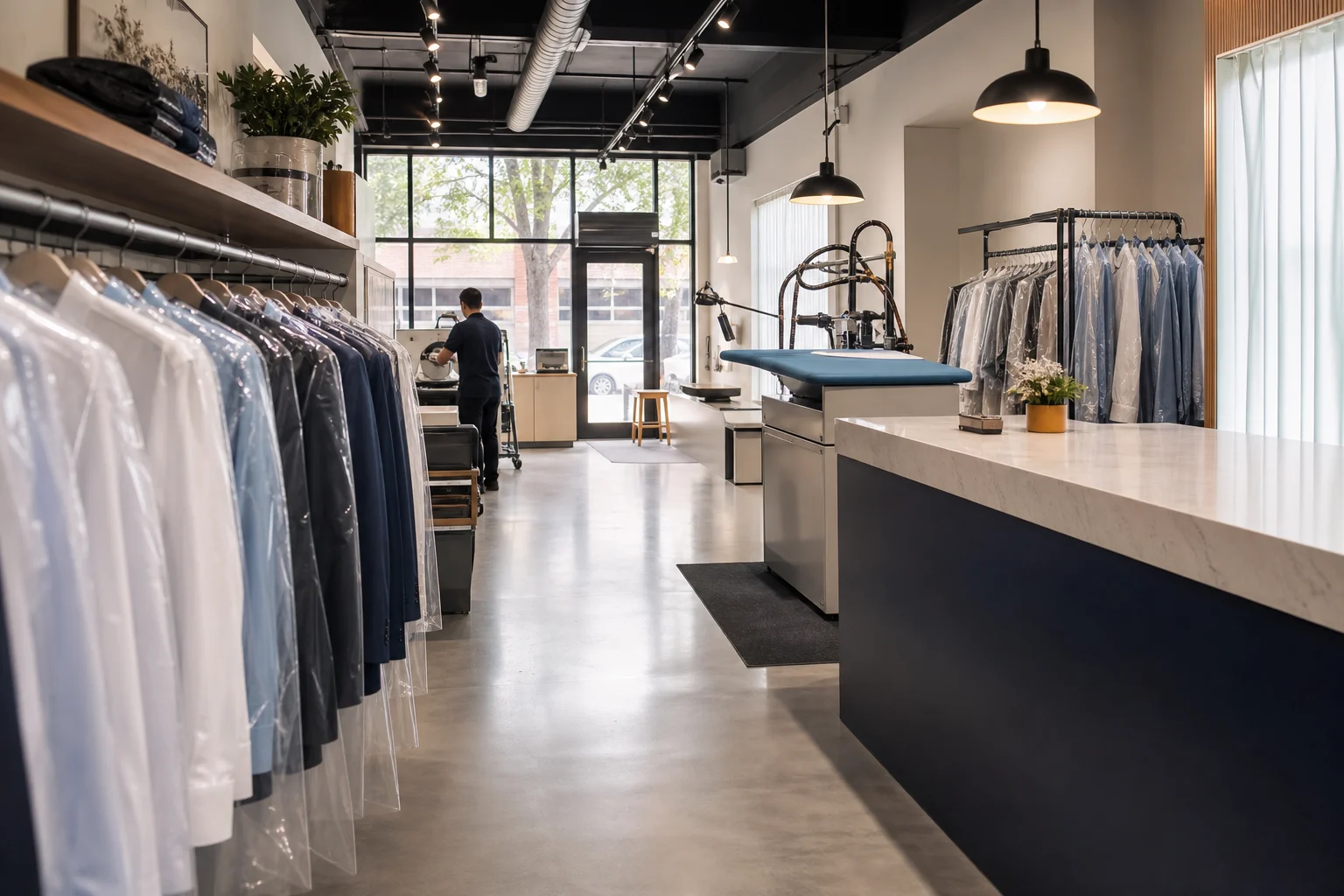
Why location fit matters for a dry cleaner
Location determines your customer base, visibility, and ultimately your revenue potential. A dry cleaner in Philadelphia needs proximity to residential areas with sufficient disposable income, office workers with professional attire, and possibly tourist traffic. The right neighborhood should match your service level—whether you're targeting luxury garments or everyday items. Your location also affects delivery logistics, employee commute times, and the overall customer experience.
Top 3 neighborhoods to consider
Based on Locavisor neighborhood scoring, these three Philadelphia neighborhoods offer the best potential for a dry cleaning business:
1. Rittenhouse Square (6.5/10)
Rittenhouse Square is Philadelphia's premier luxury corridor — high-income residents, dense office towers, and tourist foot traffic create strong dry-cleaning demand. But rent is maxed out: expect roughly $90-140/sqft NNN. With 15+ existing dry cleaners within a half-mile, you'd be entering a saturated market where differentiation on service speed and tailoring is essential.
2. University City (6.4/10)
University City combines Penn/Drexel students, faculty, and young professionals with strong daytime population density. Rent is steep but more manageable than Rittenhouse — expect roughly $65-95/sqft NNN. Only 3 direct competitors found nearby, with Top Notch Cleaners (4.7★, 209 reviews) as the dominant player. Student-heavy customer base means lower average ticket but higher volume potential.
3. Fairmount / Art Museum Area (6.2/10)
Fairmount / Art Museum Area offers a dense mix of upscale residential, office workers, and tourist traffic near the Philadelphia Museum of Art. Rent is premium — expect roughly $65-95/sqft NNN. The area has 7 dry cleaners within a half-mile, but many have modest review counts and limited hours. Fairmount Cleaners (4.5★, 60 reviews) closes Wednesdays — a clear service gap.
How the neighborhood scores are built
Locavisor's neighborhood scoring system evaluates multiple factors specific to dry cleaning businesses. The algorithm analyzes demand indicators like residential density, income levels, and nearby commercial establishments. Competition density measures the number of existing dry cleaners within a half-mile radius. Rent levels reflect current commercial real estate costs in each area. The final score represents a weighted average of these factors, with demand and competition carrying the most weight.
Market temperature indicates overall business conditions in each neighborhood. Rittenhouse Square shows a mixed market, suggesting both opportunities and challenges. The 75% confidence score indicates that while the data is reliable, local conditions may vary from the snapshot taken in May 2026.
How to validate the shortlist before signing a lease
Before committing to a location, conduct your own ground truthing. Visit each neighborhood during different times of day and week to observe foot traffic patterns. Talk to local business owners about their experiences. Check online reviews of existing dry cleaners to identify service gaps and customer complaints. Consider the visibility of potential locations—corner spots with good signage typically outperform hidden locations.
Evaluate delivery logistics carefully. Can you efficiently serve the surrounding area? Is parking available for customers dropping off and picking up items? Consider the proximity to complementary businesses like hotels, office buildings, or high-end retail that could generate consistent business.
Common mistakes founders make in Philadelphia
Many new dry cleaning business owners underestimate the importance of location research. They either choose areas with too much competition or neighborhoods where demand doesn't match their service offerings. Others fail to account for the full cost of commercial rent, including triple net (NNN) expenses that significantly impact profitability.
Another common mistake is ignoring the competitive landscape. Before opening, thoroughly research existing dry cleaners' pricing, service hours, and customer reviews. Look for underserved niches or service gaps that your business could fill. Finally, don't overestimate immediate foot traffic—build a marketing plan to drive customers to your location, especially in the first six months.

FAQ
Where is the best location for A Dry Cleaner in Philadelphia?
Based on Locavisor neighborhood scoring, Rittenhouse Square ranks as the best location for a dry cleaner in Philadelphia with a score of 6.5/10. This premier luxury corridor offers strong demand from high-income residents, office workers, and tourists. However, rent is high at $90-140/sqft NNN, and competition is dense with 15+ existing dry cleaners within a half-mile. University City (6.4/10) and Fairmount/Art Museum Area (6.2/10) follow as strong alternatives with different advantages.
What's the average rent for a dry cleaner in Philadelphia?
Rent varies significantly by neighborhood. In top areas like Rittenhouse Square, expect to pay roughly $90-140/sqft NNN. In other desirable neighborhoods like University City and Fairmount/Art Museum Area, rent ranges from approximately $65-95/sqft NNN. Remember that NNN (triple net) rent includes additional costs beyond base rent, such as property taxes, insurance, and maintenance.
How much competition should I expect in Philadelphia's best neighborhoods?
Competition density varies by neighborhood. Rittenhouse Square has the highest competition with 15+ existing dry cleaners within a half-mile. University City has only 3 direct competitors, making it less saturated. The Fairmount/Art Museum Area has 7 dry cleaners within a half-mile, though many have limited hours and modest review counts, suggesting potential service gaps.
What's the best customer base for a dry cleaner in Philadelphia?
The ideal customer base depends on your business model. Rittenhouse Square attracts high-income residents and professionals willing to pay premium prices for quality service. University City offers a student and young professional demographic that may generate higher volume but lower average tickets. The Fairmount/Art Museum Area combines upscale residents, office workers, and tourists, providing a diverse customer base with varying needs and price points.
How can I differentiate my dry cleaner in competitive areas?
In competitive neighborhoods like Rittenhouse Square, differentiation is crucial. Consider specializing in certain services like wedding gown preservation or leather cleaning. Offer exceptional customer service with quick turnaround times and convenient pickup/delivery options. Invest in modern equipment that ensures superior cleaning results. Create a loyalty program to encourage repeat business and consider extended hours to accommodate working professionals.
Last reviewed: 2026-05-08
Sources: U.S. Census Bureau ACS, LEHD LODES, Google Places, OpenStreetMap, Locavisor neighborhood scoring.
Methodology: Locavisor scores neighborhoods across demand, competition fit, rent fit, accessibility, and customer match. Scores reflect a snapshot of recent data and should be combined with on-the-ground research before lease decisions.
Disclaimer: This article provides informational content only and does not constitute legal, financial, accounting, or real-estate advice. Verify lease terms, licensing, local regulations, costs, and professional requirements with qualified local professionals before making business decisions.
Free preview shows top 3 neighborhoods. Full $9.99 report covers all 10 areas with personalized scoring + 90-day check-ins.
Informational only. Verify lease, licensing, local regulations, costs, and professional requirements with qualified local professionals.