Seattle, WA · dry cleaner
Best neighborhoods for a dry cleaner in Seattle
Finding the best neighborhoods for a dry cleaner in Seattle requires careful analysis of local demand, competition, and operational costs. As a small business founder, your location choice will significantly impact your customer base, visibility, and ultimately your profitability. This analysis examines the top three neighborhoods in Seattle for opening a dry cleaner based on Locavisor neighborhood scoring from the 2026-05 snapshot.
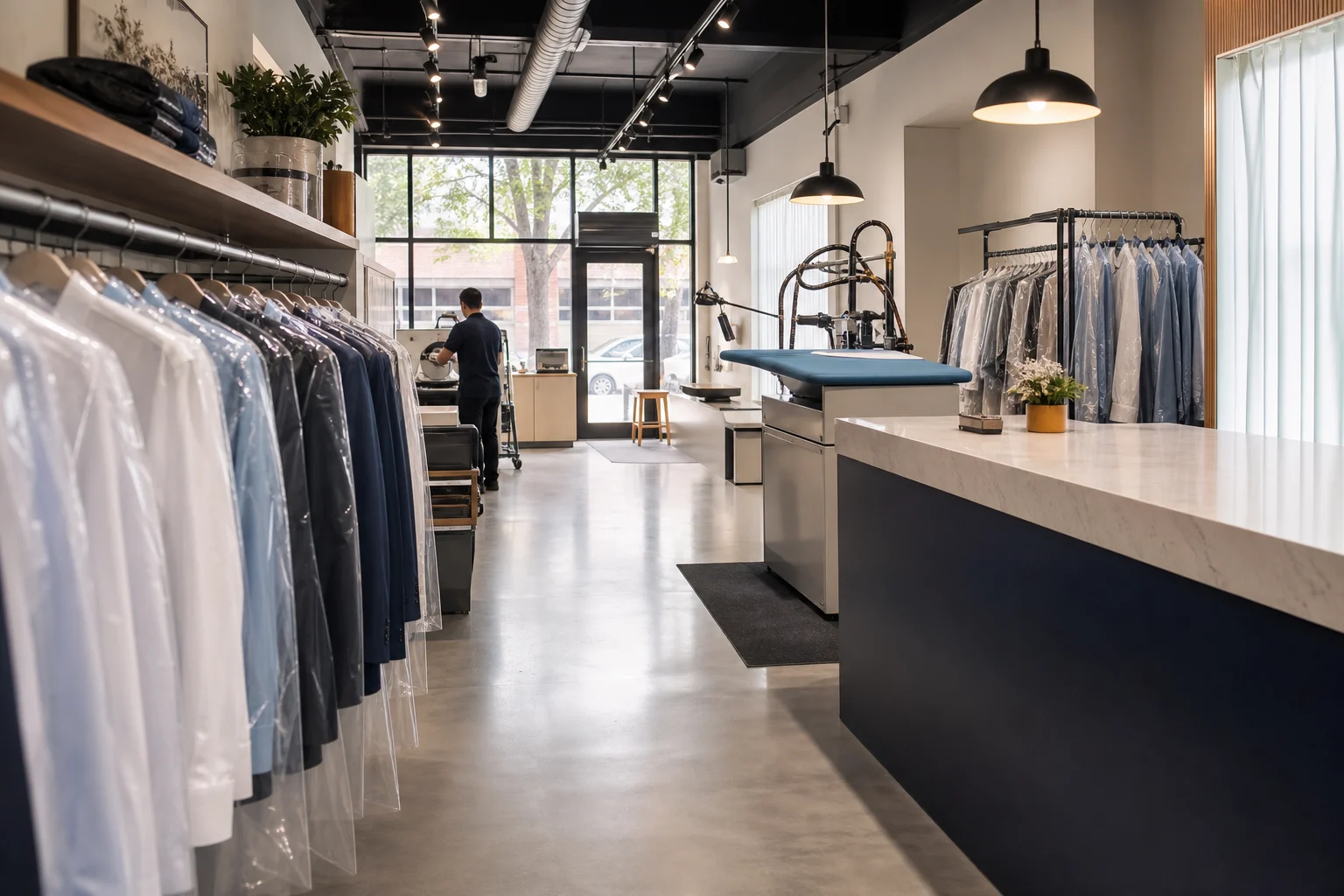
Why location fit matters for a dry cleaner
Location is critical for a dry cleaning business due to the nature of the service. Unlike e-commerce businesses, dry cleaners rely heavily on foot traffic and convenient access for customers dropping off and picking up their garments. A well-chosen location can provide steady customer flow, reduce marketing costs, and establish a strong local presence. The right neighborhood should balance residential density with commercial accessibility, ensuring your business serves both immediate neighbors and passersby.
Seattle's diverse neighborhoods offer different advantages for dry cleaning businesses. Some areas have high daytime populations from office workers, while others serve established residential communities with consistent demand. The best location depends on your business model, budget, and target customer demographic. This analysis focuses on three promising neighborhoods that offer strong potential for a new dry cleaning venture.
Top 3 neighborhoods to consider
Based on Locavisor neighborhood scoring, three Seattle neighborhoods stand out as particularly promising for dry cleaning businesses. Each offers distinct advantages in terms of customer base, competition levels, and operational costs.
Eastlake / Cascade (8.1/10)
Eastlake / Cascade edges South Lake Union's Amazon campus with maxed-out office density and strong daytime worker population — roughly 10,500 weekday lunch workers within 800m. Two existing dry cleaners (Julie's Cleaners 4.7★, Aloha Cleaners 4.0★) are nearby but neither dominates. Rent runs roughly $30-50/sqft NNN, workable for a medium-budget operator.
This neighborhood presents a balanced opportunity with strong daytime demand from office workers and a competitive landscape that isn't oversaturated. The existing dry cleaners have solid ratings but haven't captured the full market potential, suggesting room for a new entrant with a differentiated offering. The rent levels are reasonable for Seattle, allowing for flexible budget planning.
Capitol Hill (8.0/10)
Capitol Hill delivers the highest daytime population density in the city and near-perfect walkability, anchored by the light-rail station, Broadway Market, and Seattle Central College. Four existing dry cleaners operate within the area — Green Dry Cleaners (3.9★), Alterations Plus (3.8★), All Seasons Cleaners (3.3★), and C.H. Cleaners (4.0★) — all with mediocre ratings and limited Saturday hours.
Capitol Hill offers exceptional foot traffic and accessibility, making it ideal for a dry cleaner that prioritizes convenience. The existing competition has modest ratings and limited weekend hours, creating an opportunity for a business that offers superior service or extended hours. The neighborhood's high walkability score means customers are more likely to visit your location regularly, potentially building strong loyalty.
Madrona / Leschi (7.9/10)
Madrona / Leschi is an upscale lakefront residential corridor with strong household incomes and zero existing dry cleaners — a true blue-ocean opportunity. The commercial node around 34th Ave and E Union has Hi-Spot Cafe (4.6★, 921 reviews) and Golden Wheat Bakery (4.8★, 336 reviews) proving local retail demand. Rent is the most affordable of the top candidates at roughly $30-50/sqft NNN.
For entrepreneurs seeking a first-mover advantage, Madrona / Leschi presents an intriguing opportunity. The absence of existing dry cleaners means you could establish brand recognition without direct competition. The neighborhood's affluent demographic suggests customers willing to pay premium prices for quality service. While the rent is comparable to other top neighborhoods, the lack of competition could translate to higher profit margins.
How the neighborhood scores are built
Locavisor neighborhood scoring evaluates potential business locations based on multiple factors relevant to dry cleaning operations. The scoring system considers demand indicators such as population density, foot traffic patterns, and income levels. Competition analysis includes the number of existing dry cleaners, their ratings, and service hours. Operational factors like rent levels and accessibility are also factored into the final score.
The scoring methodology prioritizes neighborhoods that balance customer demand with manageable competition and reasonable operational costs. Each neighborhood receives an overall score out of 10, with higher scores indicating better potential for a dry cleaning business. The scores are based on a 2026-05 snapshot of neighborhood conditions, which provides a current view of market opportunities.
How to validate the shortlist before signing a lease
While neighborhood scoring provides valuable insights, successful founders conduct additional due diligence before committing to a location. Visit each neighborhood at different times of day and week to observe actual foot traffic patterns. Note when potential customers are most likely to use your services and adjust your hours accordingly.
Talk to local business owners to understand neighborhood dynamics and any upcoming developments that might affect your business. Research Seattle's permitting requirements for dry cleaning businesses, as regulations can vary by location. Consider the visibility and accessibility of potential storefronts, including parking availability and proximity to public transportation.
Common mistakes founders make in Seattle
Many dry cleaning business owners underestimate the importance of location-specific market research. Seattle's diverse neighborhoods have distinct customer bases and competitive landscapes. A one-size-fits-all approach rarely works in a city with such varied demographics and commercial environments.
Another common mistake is underestimating the impact of Seattle's weather on customer behavior. The frequent rain can affect foot traffic and influence how customers access your services. Consider how weather might impact your business operations and customer convenience.
Some founders also fail to properly analyze existing competition. Beyond simply counting competitors, evaluate their strengths, weaknesses, and customer reviews. Identify gaps in service that your business could fill, such as extended hours, specialized cleaning services, or better customer experience.

FAQ
Where is the best location for A Dry Cleaner in Seattle?
Based on Locavisor neighborhood scoring from the 2026-05 snapshot, Eastlake / Cascade ranks as the best neighborhood for a dry cleaner in Seattle with an overall score of 8.1/10. This neighborhood offers strong daytime worker population, manageable competition, and reasonable rent levels. Capitol Hill (8.0/10) and Madrona / Leschi (7.9/10) also present strong opportunities depending on your business model and target customer.
How much does commercial rent cost in these neighborhoods?
Rent in all three top neighborhoods ranges from approximately $30-50 per square foot per year, triple net (NNN). This range is considered relatively affordable for Seattle commercial real estate and should be workable for medium-budget operators.
Is there too much competition in these areas?
Competition varies by neighborhood. Eastlake / Cascade has two existing dry cleaners with good ratings but no dominant player. Capitol Hill has four dry cleaners with mediocre ratings and limited Saturday hours. Madrona / Leschi has zero existing dry cleaners, presenting a first-mover opportunity.
What makes these neighborhoods suitable for dry cleaning businesses?
These neighborhoods offer strong demand indicators including high population density, good foot traffic, and affluent demographics. They also balance this demand with reasonable competition levels and affordable rent, creating favorable conditions for a new dry cleaning business.
How can I differentiate my dry cleaning business in these neighborhoods?
Consider offering specialized services, extended hours, superior customer service, or eco-friendly cleaning options. Analyze existing competitors to identify service gaps and develop a unique value proposition that addresses neighborhood-specific customer needs.
Last reviewed: 2026-05-08
Sources: U.S. Census Bureau ACS, LEHD LODES, Google Places, OpenStreetMap, Locavisor neighborhood scoring.
Methodology: Locavisor scores neighborhoods across demand, competition fit, rent fit, accessibility, and customer match. Scores reflect a snapshot of recent data and should be combined with on-the-ground research before lease decisions.
Disclaimer: This article provides informational content only and does not constitute legal, financial, accounting, or real-estate advice. Verify lease terms, licensing, local regulations, costs, and professional requirements with qualified local professionals before making business decisions.
Free preview shows top 3 neighborhoods. Full $9.99 report covers all 10 areas with personalized scoring + 90-day check-ins.
Informational only. Verify lease, licensing, local regulations, costs, and professional requirements with qualified local professionals.