Atlanta, GA · bakery
Bakery equipment costs Atlanta
Opening a bakery in Atlanta means navigating a competitive market with specific equipment and buildout requirements. The equipment you choose and how you configure your kitchen space will directly impact your operational efficiency and customer experience. Atlanta's diverse neighborhoods offer different opportunities, with rent bands ranging from $24-$55/sqft/yr NNN across top locations like Smyrna/Vinings (score 6.6/10), Sandy Springs (6.3/10), Downtown (5.9/10), Old Fourth Ward (5.9/10), and Roswell (5.9/10).
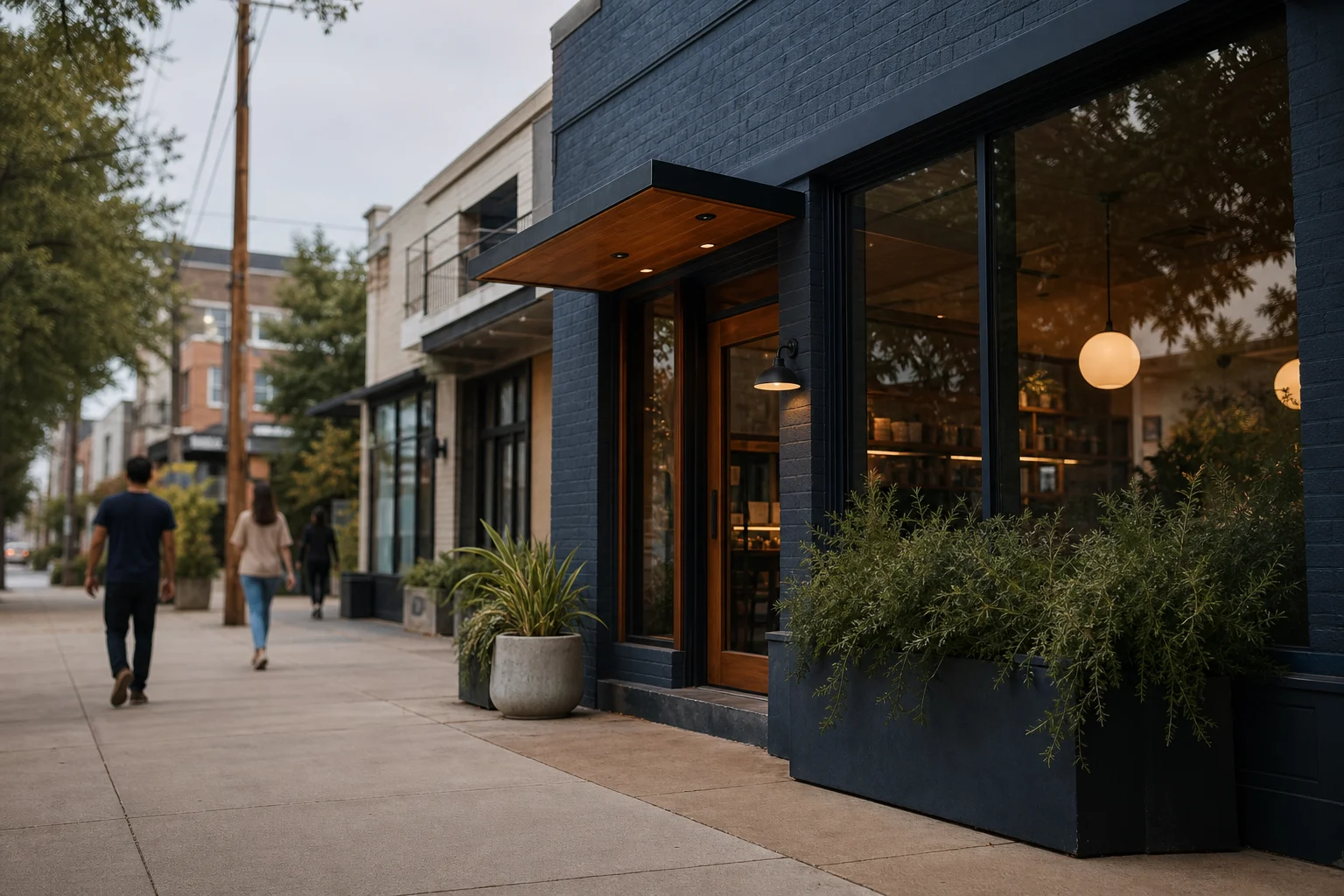
What equipment do you need to open a bakery in Atlanta?
The core equipment for a bakery typically includes ovens, mixers, proofers, refrigeration units, and display cases. In Atlanta's market, you'll need to consider how your equipment choices align with local utility costs and space constraints. The rent bands in Atlanta's top neighborhoods range from $24-$55/sqft/yr NNN, which affects how much space you can afford for your equipment layout.
When planning your equipment needs, consider the type of bakery you're opening. A full-service bakery with seating will require different equipment than a wholesale operation or a retail-only shop. Atlanta has established players like Henri's Bakery & Deli in Sandy Springs and Hansel & Gretel Bakery Cafe in Downtown, which can serve as reference points for equipment configuration.
Buildout cost categories
Plumbing and electrical
Plumbing and electrical work represents a significant portion of your buildout costs. In Atlanta, you'll need to factor in local building codes and the specific requirements for commercial food preparation spaces. The rent bands in Atlanta's top neighborhoods ($24-$55/sqft/yr NNN) influence how much you can invest in these infrastructure elements.
Electrical systems must support your equipment load, especially if you're running multiple ovens, mixers, and refrigeration units simultaneously. Plumbing needs to accommodate commercial-grade sinks, dishwashers, and potentially floor drains depending on your bakery type.
HVAC and ventilation
Proper HVAC and ventilation are critical for bakery operations, particularly for temperature control of proofing areas and removal of heat from ovens. Atlanta's climate requires robust climate control systems to maintain consistent baking conditions year-round.
Ventilation systems must meet local health codes and handle the grease and heat generated during baking. This is especially important in neighborhoods like Downtown Atlanta where buildings may have older infrastructure or specific ventilation requirements.
Flooring and finishes
Your flooring choice impacts both safety and durability in a bakery environment. Commercial-grade, slip-resistant flooring that can withstand heavy foot traffic and frequent cleaning is essential. Finishes should be easy to sanitize and resistant to grease and flour accumulation.
In Atlanta's competitive market, your interior design contributes to the customer experience. Neighborhoods like Old Fourth Ward (score 5.9/10, $24-$55/sqft/yr NNN) and Smyrna/Vinings (6.6/10, $24-$55/sqft/yr NNN) have established bakery scenes that set customer expectations for cleanliness and ambiance.
Permits-driven items
Building out a bakery requires multiple permits from Atlanta's regulatory agencies. These may include health department approvals, fire safety certifications, and business licenses. Each permit has specific requirements that can impact your equipment selection and layout.
You'll need to work with local inspectors to ensure compliance, which may necessitate specific types of equipment or installation methods. The process varies by neighborhood, with Downtown Atlanta having different requirements than areas like Roswell.
Furniture and signage
While not strictly equipment, furniture and signage are part of your buildout costs and customer experience. Seating, display cases, and interior design elements contribute to the overall atmosphere of your bakery. Signage must comply with local zoning regulations and be visible in your chosen neighborhood.
In Atlanta's market, bakeries like Corner Bakery Cafe in Downtown and Sweet Auburn Bread Company have established how furniture and signage contribute to their brand identity within their respective neighborhoods.
Equipment line items to validate in Atlanta
When sourcing equipment for your Atlanta bakery, consider these essential items:
- Commercial ovens - essential for consistent baking results
- Mixers and dough sheeters - for efficient production
- Proofing cabinets - to control fermentation
- Refrigeration - for ingredient storage and display
- Display cases - for showcasing your products
- Point of sale system - integrated with your operations
- Packaging equipment - for wholesale or retail sales
Each of these items has implications for your space requirements and utility usage. Atlanta's rent bands ($24-$55/sqft/yr NNN) mean you'll need to optimize your layout to maximize productivity in your available space.
How established operators in Atlanta configure their kitchens
Looking at existing bakeries provides valuable insights into equipment configuration. Henri's Bakery & Deli in Sandy Springs and Hansel & Gretel Bakery Cafe in Downtown Atlanta offer examples of how successful operators arrange their spaces.
These established businesses typically separate areas for production, storage, and customer service. The layout optimizes workflow while meeting health and safety requirements. Customer reviews mention efficiency and quick service, suggesting well-planned kitchen configurations.
Table: Bakery Equipment Configuration Examples
| Equipment Type | Common Placement | Considerations for Atlanta |
|---|---|---|
| Ovens | Central production area | Heat management in Atlanta's climate |
| Mixers | Near ingredient storage | Accessibility for frequent use |
| Proofers | Temperature-controlled zone | Atlanta's humidity affects proofing |
| Display cases | Customer-facing area | Visibility and accessibility |
| Refrigeration | Back-of-house storage | Energy efficiency in warm climate |
Used vs. new vs. lease
When acquiring equipment for your Atlanta bakery, you have three main options: purchasing new, buying used, or leasing. Each has different implications for your cash flow and operational flexibility.
New equipment offers the latest technology and warranty protection but comes with a higher upfront cost. Used equipment can save money initially but may require more maintenance. Leasing provides lower upfront costs and the ability to upgrade equipment regularly.
Consider Atlanta's market dynamics and your business model when deciding. Neighborhoods with higher foot traffic like Downtown may justify investing in newer, more reliable equipment to handle increased demand.
Buildout timeline
The timeline for your bakery buildout in Atlanta depends on several factors, including permit processing times, contractor availability, and equipment delivery schedules. Atlanta's construction market has its own rhythm, with certain seasons being busier than others.
Permit approval can take several weeks, especially for food service establishments. Working with experienced local contractors who understand Atlanta's requirements can help streamline the process. The rent bands in Atlanta's top neighborhoods ($24-$55/sqft/yr NNN) mean you'll want to minimize downtime between lease signing and opening.
Common buildout overruns
Several factors commonly lead to budget overruns in bakery buildouts:
- Unexpected structural issues discovered during renovation
- Delays in permit approvals
- Equipment delivery problems
- Unforeseen utility upgrades
- Changes in design or scope
Being aware of these potential issues allows you to build contingency into your planning. Atlanta's diverse neighborhoods may present unique challenges, from older building infrastructure in Downtown to newer developments in areas like Sandy Springs.
FAQ
What equipment do I need to open a bakery in Atlanta?
The core equipment includes commercial ovens, mixers, proofing cabinets, refrigeration units, display cases, and a point of sale system. Additional equipment may include dough sheeters, slicers, and specialized tools depending on your bakery's focus. Atlanta's climate and rent bands ($24-$55/sqft/yr NNN) influence equipment choices for efficiency and space optimization.
How do Atlanta's neighborhoods affect equipment decisions?
Different neighborhoods have varying rent bands ($24-$55/sqft/yr NNN) and customer expectations. Downtown Atlanta, with its higher foot traffic, may justify more visible, high-end equipment, while neighborhoods like Roswell might benefit from more space-efficient configurations. Local competition, such as Henri's Bakery & Deli in Sandy Springs, also influences equipment choices to remain competitive.
What are the biggest buildout challenges in Atlanta?
Common challenges include navigating Atlanta's permitting process, managing utility upgrades to support commercial kitchen equipment, and optimizing layouts within rent-band constraints ($24-$55/sqft/yr NNN). Weather-related delays and finding contractors familiar with food service buildouts can also impact timelines and budgets.
Last reviewed: 2026-05-30
Sources: U.S. Census Bureau ACS, LEHD LODES, Google Places, OpenStreetMap, Locavisor neighborhood scoring.
Methodology: Locavisor scores neighborhoods across demand, competition fit, rent fit, accessibility, and customer match. Scores reflect a snapshot of recent data and should be combined with on-the-ground research before lease decisions.
Disclaimer: This article provides informational content only and does not constitute legal, financial, accounting, or real-estate advice. Verify lease terms, licensing, local regulations, costs, and professional requirements with qualified local professionals before making business decisions.
Free preview shows top 3 neighborhoods. Full $9.99 report covers all 10 areas with personalized scoring + 90-day check-ins.
Informational only. Verify lease, licensing, local regulations, costs, and professional requirements with qualified local professionals.