Boston, MA · bakery
Bakery equipment costs Boston
Planning a bakery in Boston requires careful consideration of equipment costs and buildout requirements. The city's competitive market and varying neighborhood characteristics significantly impact your budget planning. Quincy Center / North Quincy stands out as the best area with a 7.7/10 score, offering a strong competitionFit and rentFit score for your bakery venture.
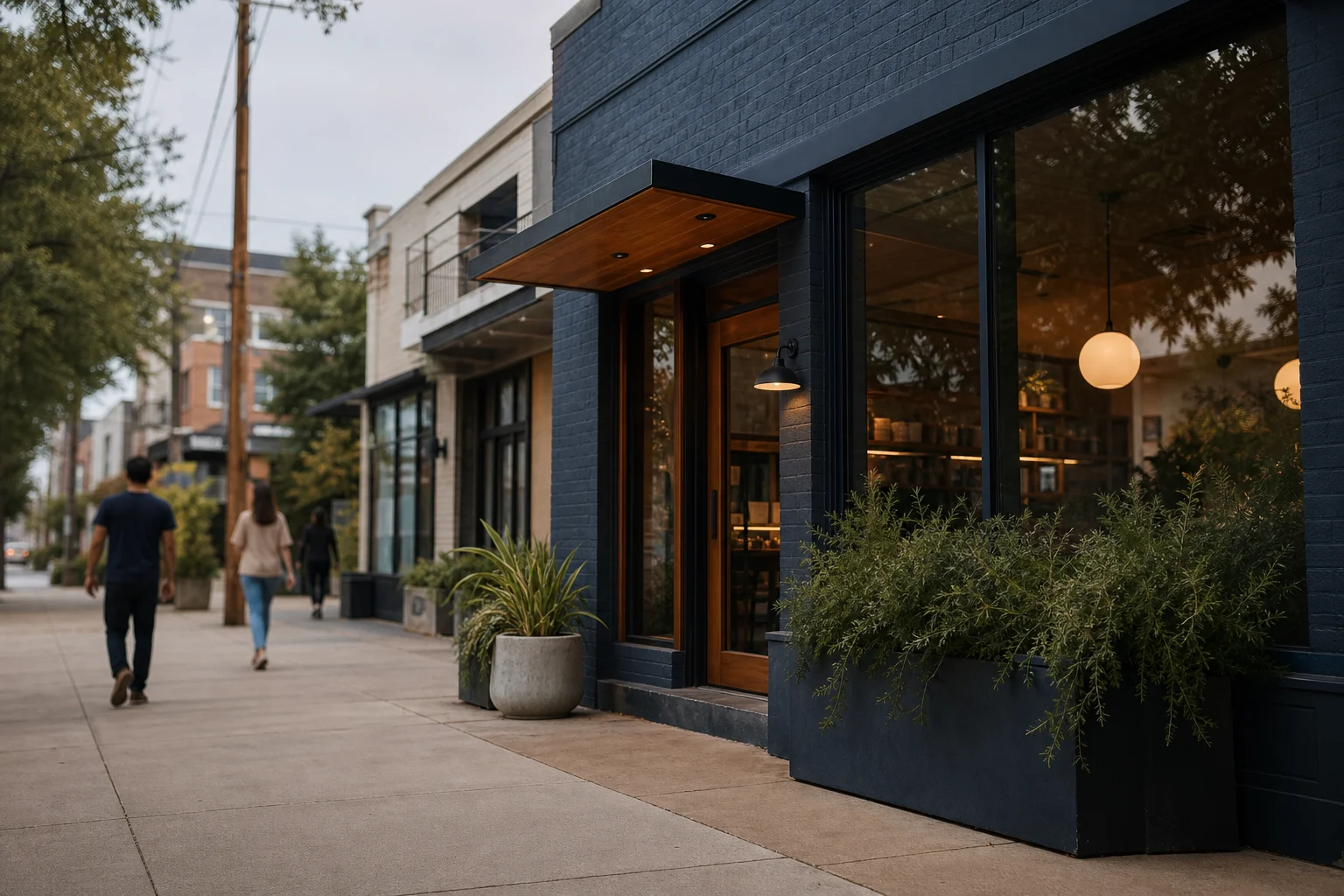
Equipment categories by launch format
Bakery equipment costs Boston vary significantly based on your chosen format. Counter-service bakeries require different equipment than full-service establishments with seating areas. Your equipment budget will be influenced by the specific format you select, which should align with the neighborhood characteristics of your chosen location.
Counter-service operations focus on production and display equipment. You'll need industrial mixers, proofing cabinets, baking ovens, and display cases. These form the core of your bakery's functionality. The equipment must match your production volume while fitting within your space constraints.
Full-service bakeries with seating areas require additional equipment beyond production needs. Tables, chairs, POS systems, and expanded storage become necessary. This format increases your equipment budget but may allow for higher price points and customer loyalty in neighborhoods like Assembly Row with its high daytime population density.
Specialty formats such as gluten-free or organic bakeries require specialized equipment. These formats might need separate mixing areas to prevent cross-contamination. Specialty equipment costs Boston can be higher but may justify premium pricing in neighborhoods like East Boston where established players like Lolly's Bakery (4.5★, 573 reviews) have built strong reputations.
Buildout assumptions that change the budget
Buildout requirements significantly impact your overall budget when opening a bakery in Boston. The condition of your space determines how much renovation is needed before equipment installation. Quincy Center / North Quincy offers the best value proposition with its medium-high rent level, potentially allowing for more buildout budget.
New construction spaces require complete buildout from the shell. This includes plumbing, electrical, HVAC, and flooring installations. These spaces offer maximum customization but come with the highest initial investment. The premium rent in areas like Assembly Row ($65-95/sqft NNN) might limit your buildout budget for a medium-scale bakery operation.
Second-generation spaces often have existing bakery infrastructure. These spaces may require less extensive buildout but need careful evaluation of existing systems. The equipment footprint must align with existing utility connections and ventilation systems. In East Boston, where rent is also in the premium band, finding a second-generation space could help manage overall startup costs.
Partial buildout scenarios offer a middle ground. Some elements may be in place while others require modification. This approach allows for phased investment based on revenue generation. The medium competition density in Boston's neighborhoods suggests there may be opportunities to find spaces with partial buildout that meet your specific needs.
New vs used equipment tradeoffs
The decision between new and used equipment significantly impacts your bakery equipment costs Boston. New equipment offers reliability and warranty protection but comes with a higher price tag. Used equipment provides cost savings but carries risks of maintenance issues and shorter lifespan.
New bakery equipment provides several advantages. Modern energy efficiency can reduce long-term operating costs. Warranty protection covers potential defects during the critical startup period. The latest technology often includes better safety features and more precise controls for consistent product quality. In Quincy Center / North Quincy, where the market temperature is promising, investing in reliable new equipment might be justified by the area's strong morning and lunch daypart signals.
Used equipment offers immediate cost savings of 30-50% compared to new purchases. The savings can be redirected to other startup needs like marketing or additional inventory. However, used equipment may have hidden maintenance costs and shorter remaining useful life. The established competition in Boston, including Paris Baguette (4.1★, 154 reviews) and Panera Bread (3.9★, 976 reviews), suggests that reliable equipment is essential to compete effectively.
Hybrid approaches balance new and used equipment strategically. Critical production equipment might be new while secondary items are used. This approach optimizes the budget while maintaining quality standards. The medium competition density in Boston's bakery market suggests that equipment reliability can be a key differentiator in neighborhoods like Assembly Row with its high-energy mixed-use environment.
What to inspect in a second-generation space
When evaluating second-generation bakery spaces in Boston, thorough inspection of existing infrastructure is crucial. These spaces can offer significant cost savings but may have hidden issues that impact your equipment budget and operational efficiency.
The electrical system must accommodate your bakery's power requirements. Industrial mixers, ovens, and refrigeration units draw substantial power. An outdated electrical system may require expensive upgrades before equipment installation. In Quincy Center / North Quincy, where the rent level is medium-high, ensuring the electrical system meets your needs is essential to avoid unexpected expenses.
Ventilation systems are critical for bakery operations. Proper exhaust removes heat, smoke, and moisture from baking areas. Inadequate ventilation can lead to equipment overheating and air quality issues. The Hancock St corridor in Quincy Center has strong morning and lunch daypart signals, suggesting adequate ventilation is necessary to maintain comfortable working conditions during peak hours.
Plumbing infrastructure must support your bakery's water needs. Hand sinks, floor drains, and potential plumbing for equipment connections should be evaluated. Leaks or inadequate water pressure can disrupt operations and damage equipment. The medium competition density in Boston's bakery market means that operational efficiency is key to standing out in neighborhoods like East Boston with its growing waterfront area.
Floor conditions impact equipment installation and longevity. Uneven floors can cause equipment misalignment and premature wear. The floor must also be able to support the weight of heavy equipment like mixers and proofing cabinets. In Assembly Row, where the rent proxy is in the premium band ($65-95/sqft NNN), ensuring the floor is in good condition helps protect your equipment investment.
FAQ
What equipment do I need for A Bakery in Boston?
The essential equipment for a bakery in Boston includes industrial mixers, proofing cabinets, baking ovens, display cases, refrigeration units, and worktables. Your specific needs will depend on your format and menu offerings. Counter-service bakeries focus on production and display equipment, while full-service establishments with seating require additional furniture and POS systems.
How does location affect bakery equipment costs Boston?
Location impacts equipment costs through rent levels and buildout requirements. Quincy Center / North Quincy offers the best value with a 7.7/10 score and medium-high rent level. Assembly Row and East Boston have premium rent bands ($65-95/sqft NNN) which may limit your equipment budget. The condition of your space also affects buildout needs, with second-generation spaces potentially requiring less renovation.
Should I buy new or used bakery equipment?
New equipment offers reliability and warranty protection but at a higher cost. Used equipment provides immediate savings of 30-50% but carries maintenance risks. A hybrid approach might be optimal, investing in new critical equipment while purchasing used secondary items. The medium competition density in Boston's bakery market suggests that equipment reliability can be a key differentiator.
What should I look for in a second-generation bakery space?
Inspect the electrical system for adequate power capacity, ventilation systems for proper exhaust, plumbing infrastructure for water needs, and floor conditions for equipment support. These elements impact your equipment installation and operational efficiency. In Quincy Center / North Quincy, where the market temperature is promising, ensuring these systems are in good condition helps manage overall startup costs.
How does Boston's neighborhood competition affect equipment planning?
Boston's medium competition density means equipment reliability can be a key differentiator. Established players like Paris Baguette (4.1★, 154 reviews) and Panera Bread (3.9★, 976 reviews) set quality expectations. In neighborhoods like Assembly Row with high daytime population density, efficient equipment can help handle peak demand. Quincy Center / North Quincy offers room for a higher-quality independent bakery, potentially justifying investment in superior equipment.
Last reviewed: 2026-05-08
Sources: U.S. Census Bureau ACS, LEHD LODES, Google Places, OpenStreetMap, Locavisor neighborhood scoring.
Methodology: Locavisor scores neighborhoods across demand, competition fit, rent fit, accessibility, and customer match. Scores reflect a snapshot of recent data and should be combined with on-the-ground research before lease decisions.
Disclaimer: This article provides informational content only and does not constitute legal, financial, accounting, or real-estate advice. Verify lease terms, licensing, local regulations, costs, and professional requirements with qualified local professionals before making business decisions.
Free preview shows top 3 neighborhoods. Full $9.99 report covers all 10 areas with personalized scoring + 90-day check-ins.
Informational only. Verify lease, licensing, local regulations, costs, and professional requirements with qualified local professionals.