Chicago, IL · bakery
Bakery equipment costs Chicago
Planning a bakery in Chicago requires careful consideration of equipment costs and buildout requirements. The city's diverse neighborhoods present different opportunities and challenges for bakery entrepreneurs. Understanding bakery equipment costs Chicago is essential for budgeting and planning your commercial kitchen setup. 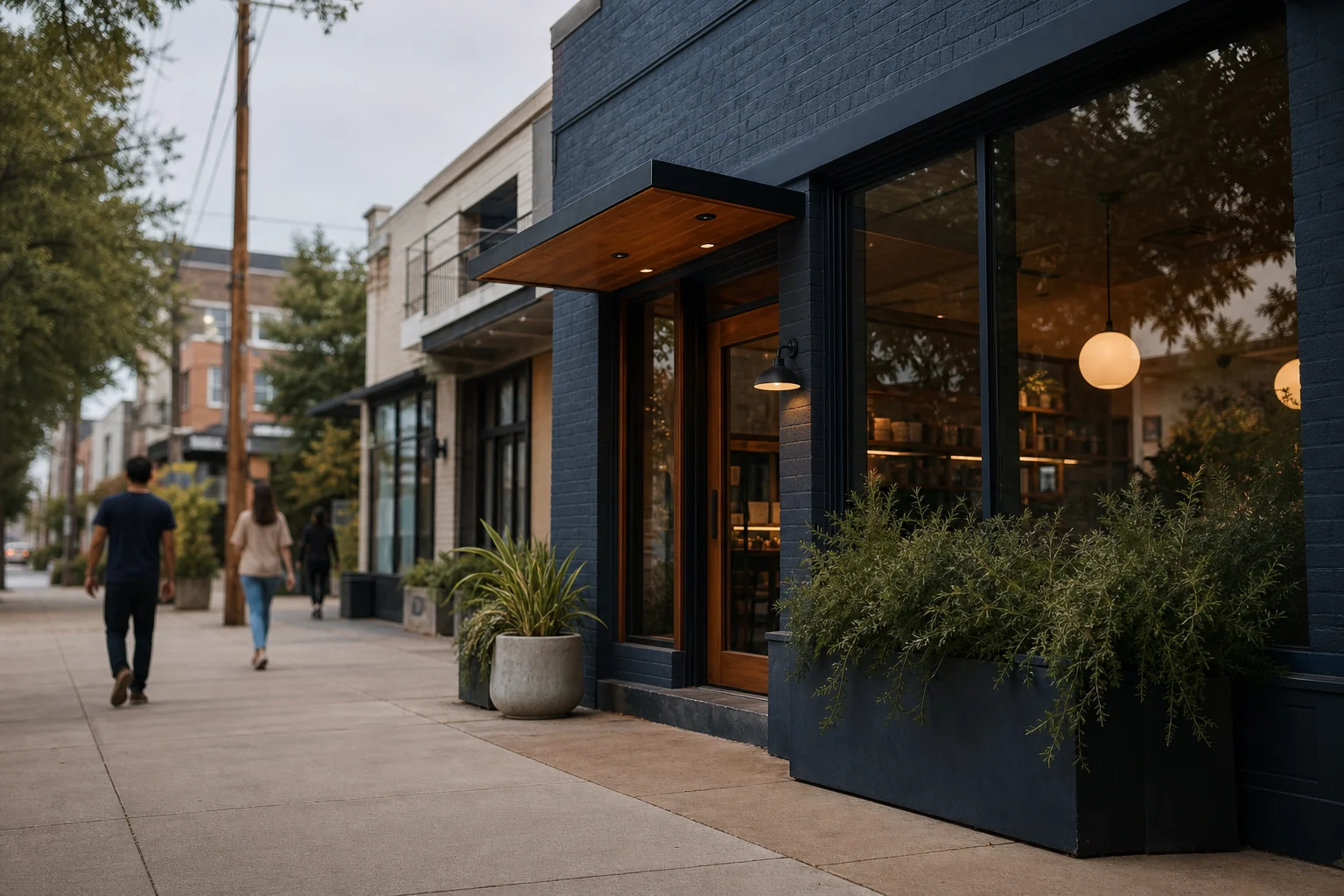
Equipment categories by launch format
The equipment needs for a bakery in Chicago vary significantly based on your chosen format. A small counter-service operation requires different equipment than a full-service bakery with seating. Chicago's market temperature is mixed, with competition density ranging from medium to high depending on the neighborhood.
In Chinatown, with moderate rent (~$30-50/sqft NNN) and 8 existing bakeries within 800m, a takeout-first concept with a distinct product angle would need efficient equipment that maximizes production in limited space. Your equipment budget should focus on versatile, multi-functional items that can handle different product types without requiring excessive square footage.
South Loop presents a different challenge with high-rent corridors ($90-140/sqft NNN) and maxed-out office density. Here, equipment that supports high-volume production during morning and lunch rushes becomes critical. The two existing bakeries (Paris Baguette 4.0★/476 reviews, Molly's Cupcakes 4.2★/419 reviews) suggest that quality and differentiation are key in this competitive market.
Devon Ave / West Ridge offers the best rent-value proposition at roughly $20-35/sqft NNN. With Tahoora Sweets & Bakery (4.2★, 3,447 reviews) dominating the sweet-bakery category, equipment that supports a savory-bread or fusion concept would be strategic. Your equipment choices should align with your product differentiation strategy to avoid direct competition.
Buildout assumptions that change the budget
Buildout requirements significantly impact your overall budget when opening a bakery in Chicago. The physical condition of your chosen space will determine the extent of renovations needed before equipment installation.
In Chinatown, where rent levels are moderate, you might find spaces that require substantial buildout. The existing 8 bakeries within 800m (Chiu Quon 4.4★/979 reviews, Tous Les Jours 4.4★/1,138 reviews, Paris Baguette 4.3★/266 reviews) suggest many spaces may have been previously used for food service, potentially reducing some buildout costs. However, differentiating your concept will require thoughtful design that reflects your unique positioning.
South Loop's high-rent environment means spaces are likely to be more turnkey, but at a premium. The severe rent pressure for medium-budget operators in this area means your buildout budget might be tighter, requiring more strategic planning to maximize the efficiency of your layout and equipment placement.
Devon Ave / West Ridge's lower rent levels provide more flexibility for buildout customization. The established South Asian food corridor suggests spaces might require more significant modifications to meet bakery-specific needs, but the lower rent provides more budgetary room for these improvements.
New vs used equipment tradeoffs
The decision between new and used bakery equipment involves careful consideration of budget constraints, warranty concerns, and operational efficiency. Chicago's mixed market temperature creates different risk/reward scenarios depending on your chosen neighborhood.
In Chinatown's moderate-rent environment, used equipment might offer significant cost savings that could be reinvested in product development or marketing. With 8 existing bakeries in the area, the market is competitive, and having a well-equipped kitchen could be a key differentiator. However, the reliability of used equipment becomes critical when operating in a dense market where consistency is essential.
South Loop's high-rent corridor makes equipment efficiency paramount. New equipment often comes with energy efficiency features that can reduce long-term operating costs, which is important when facing severe rent pressure. The high daytime population from office workers means your equipment must handle peak production periods reliably, making the warranty and reliability of new equipment potentially worth the investment.
Devon Ave / West Ridge's lower rent levels provide more budget flexibility for equipment purchases. The best rent-value proposition in this area allows for strategic investment in new equipment that supports your unique concept. With Tahoora Sweets & Bakery dominating the sweet-bakery category, having reliable, modern equipment could help establish credibility for a different bakery approach.
What to inspect in a second-generation space
When considering a second-generation bakery space in Chicago, thorough inspection of existing infrastructure is crucial to avoid unexpected costs. The condition of existing utilities, ventilation, and flooring can significantly impact your buildout budget.
In Chinatown, where moderate rent levels attract multiple food establishments, second-generation spaces may have bakery-appropriate infrastructure already in place. However, with 8 existing bakeries within 800m, thorough inspection is necessary to ensure the equipment hookups and ventilation systems meet your specific needs. The presence of established competitors like Chiu Quon 4.4★/979 reviews suggests these spaces have been used for food service, but modifications may still be required.
South Loop's high-rent environment means second-generation spaces are likely to be well-maintained but may require significant adaptation for bakery operations. The existing Paris Baguette 4.0★/476 reviews and Molly's Cupcakes 4.2★/419 reviews indicate these spaces were likely designed for similar concepts, but the high rent pressure means you should carefully evaluate whether the existing layout maximizes efficiency for your specific needs.
Devon Ave / West Ridge offers the most budget-friendly options for second-generation spaces. The established South Asian food corridor means many spaces have food service infrastructure, but you should verify that it meets bakery-specific requirements. With Tahoora Sweets & Bakery (4.2★, 3,447 reviews) as a dominant player, spaces previously used for similar operations might require less extensive modification for a different bakery concept.
FAQ
What equipment do I need for A Bakery in Chicago?
The essential equipment for a bakery in Chicago depends on your specific concept and format. Basic requirements typically include mixers, ovens, proofing cabinets, refrigeration units, and work tables. Your equipment needs will vary based on whether you're operating a takeout-only model or a full-service bakery with seating. Chinatown's moderate rent (~$30-50/sqft NNN) with 8 existing bakeries within 800m suggests a focus on efficient, space-saving equipment for a differentiated concept. South Loop's high-rent environment ($90-140/sqft NNN) demands equipment that maximizes production efficiency, while Devon Ave / West Ridge's lower rent levels ($20-35/sqft NNN) provide more flexibility for specialized equipment.
How does neighborhood choice affect equipment budget?
Your neighborhood choice significantly impacts equipment budget through rent levels and space size. Chinatown's moderate rent allows for more equipment investment, while South Loop's high rent may require more space-efficient equipment. Devon Ave / West Ridge's best rent-value proposition provides the most budget flexibility for equipment purchases.
What's the most cost-effective bakery format in Chicago?
The most cost-effective format depends on your target market and neighborhood. Chinatown's takeout-first concept with moderate rent and strong transit access may offer the best balance of equipment costs and revenue potential. South Loop's high-rent environment favors high-volume formats that maximize revenue per square foot, while Devon Ave / West Ridge's lower rent allows for more specialized formats that differentiate from existing operators like Tahoora Sweets & Bakery.
How important is equipment reliability in Chicago's bakery market?
Equipment reliability is crucial in Chicago's competitive bakery market. Chinatown's 8 existing bakeries within 800m create a market where consistency and reliability can set you apart. South Loop's high daytime population from office workers means equipment must handle peak production periods without failure. Devon Ave / West Ridge's established food corridor values reliability as a key factor in customer retention.
What should I consider when choosing between new and used equipment?
When choosing between new and used equipment, consider your budget constraints, warranty needs, and operational requirements. Chinatown's moderate rent environment might favor used equipment with budget savings reinvested in differentiation. South Loop's high rent may justify new equipment for energy efficiency and reliability. Devon Ave / West Ridge's lower rent provides flexibility for strategic equipment investments that support your unique concept.
Last reviewed: 2026-05-08
Sources: U.S. Census Bureau ACS, LEHD LODES, Google Places, OpenStreetMap, Locavisor neighborhood scoring.
Methodology: Locavisor scores neighborhoods across demand, competition fit, rent fit, accessibility, and customer match. Scores reflect a snapshot of recent data and should be combined with on-the-ground research before lease decisions.
Disclaimer: This article provides informational content only and does not constitute legal, financial, accounting, or real-estate advice. Verify lease terms, licensing, local regulations, costs, and professional requirements with qualified local professionals before making business decisions.
Free preview shows top 3 neighborhoods. Full $9.99 report covers all 10 areas with personalized scoring + 90-day check-ins.
Informational only. Verify lease, licensing, local regulations, costs, and professional requirements with qualified local professionals.