Columbus, OH · bakery
Bakery equipment costs Columbus
Opening a bakery in Columbus requires careful planning around equipment and buildout costs. The equipment you choose directly impacts your operational efficiency, product quality, and long-term profitability. Columbus offers several promising neighborhoods for bakery operations, each with distinct characteristics that influence equipment decisions and buildout requirements. Understanding the local market context, including rent bands and established competitors, helps founders make informed equipment choices that align with their business model and budget constraints.
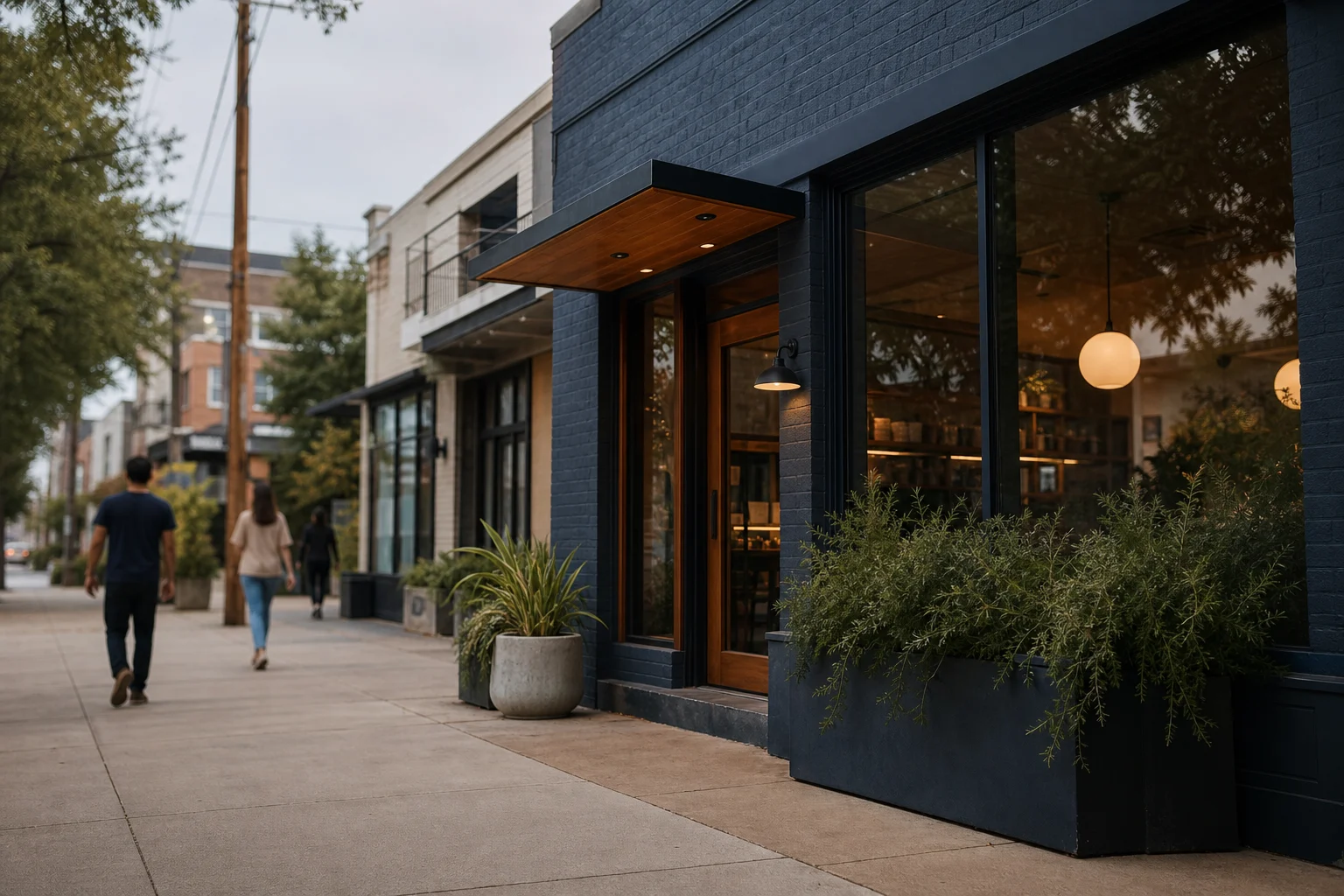
What equipment do you need to open a bakery in Columbus?
The core equipment for a bakery typically includes ovens, mixers, proofers, refrigeration units, and display cases. However, the specific equipment needs vary based on your bakery concept-whether you're focusing on bread, pastries, cakes, or a combination. In Columbus, where neighborhoods like Easton (score 7.4/10, rent band $13-$34/sqft/yr NNN) and Polaris (score 6.3/10, rent band $13-$34/sqft/yr NNN) host established operations like Paris Baguette, equipment choices must consider both production capacity and customer experience. The equipment list should address both front-of-house display needs and back-of-house production requirements, with considerations for energy efficiency given Columbus's climate and utility costs.
When planning your equipment list, consider how your choices will fit within your chosen neighborhood's constraints. For example, the Discovery District (score 6.2/10, rent band $13-$34/sqft/yr NNN) has specific building codes and historic preservation requirements that might influence equipment selection. Similarly, the Short North (score 6.1/10, rent band $13-$34/sqft/yr NNN) has higher foot traffic but also more competition, requiring equipment that supports faster production and service.
Buildout cost categories
Plumbing and electrical
Plumbing and electrical work represents a significant portion of bakery buildout costs. Bakery equipment often requires specialized plumbing for water, drainage, and gas connections. Electrical systems must accommodate high-power equipment like ovens, mixers, and refrigeration units. In Columbus neighborhoods with older buildings, such as Italian Village (score 6.0/10, rent band $13-$34/sqft/yr NNN), electrical upgrades may be necessary to meet code requirements and equipment demands.
The complexity of these systems varies by location. For instance, buildings in the Discovery District may have historic electrical systems that require special permits and potentially more extensive upgrades. Conversely, newer developments in Easton might already have robust infrastructure suitable for bakery operations. Always consult with licensed professionals to assess your specific location's needs.
HVAC and ventilation
Proper HVAC and ventilation systems are critical for bakery operations, affecting both product quality and employee comfort. Bakery environments generate heat, moisture, and odors that require specialized ventilation. Columbus's climate, with its distinct seasons, means HVAC systems must efficiently manage temperature and humidity year-round.
Ventilation is particularly important for compliance with local health codes and neighbor relations. In dense neighborhoods like the Short North, adequate ventilation prevents odors from affecting adjacent businesses. The equipment selection should align with the building's existing HVAC capacity or planned upgrades, as retrofitting can be costly and time-consuming.
Flooring and finishes
Bakery flooring requires durability, slip resistance, and ease of cleaning. The finishes you choose impact both safety and maintenance costs. In high-traffic areas like Easton, where foot traffic from Easton Town Center and transit hubs is significant, durable flooring is essential. The choice between epoxy, tile, or specialized bakery flooring depends on your budget, expected foot traffic, and local contractor availability.
Finishes also extend to walls and ceilings, which must withstand grease, moisture, and frequent cleaning. Columbus's variable humidity levels mean moisture-resistant materials are particularly important. Consider how your finish choices will complement your equipment layout and cleaning protocols.
Permits-driven items
Building permits and health department approvals drive several equipment and buildout decisions. In Columbus, the Department of Building and Zoning Services and the Columbus Public Health department regulate bakery operations. Equipment placement, especially near exits or in relation to fire suppression systems, must comply with local codes.
Ventilation systems, grease traps, and exhaust hoods often require specific permits and inspections. The timeline for these approvals can impact your opening schedule, so factor in permit processing times when planning your buildout. Always verify requirements with the relevant Columbus agencies, as they can vary by neighborhood and building type.
Furniture and signage
While not strictly equipment, furniture and signage contribute to the overall buildout budget and customer experience. In Columbus's competitive bakery market, thoughtful design can differentiate your business. The Short North, with its artistic community and Columbus College of Art and Design presence, may warrant more creative signage and interior design.
Display cases, seating, and point-of-sale systems are essential for customer interaction. Consider how these elements integrate with your equipment layout and workflow. In neighborhoods like Polaris, where customers may be in a hurry, efficient queuing and self-service options become important design considerations.
Equipment line items to validate in Columbus
Validating equipment choices against local conditions is crucial for Columbus bakery success. Refrigeration units must handle Columbus's temperature variations while maintaining consistent product quality. Mixers and ovens should be sized appropriately for your production volume and the local demand patterns observed in neighborhoods like Easton and Polaris.
Energy-efficient equipment can provide long-term savings, especially in Columbus's utility market. Consider the total cost of ownership, including energy consumption and maintenance, rather than just the purchase price. Local service providers and parts availability should also influence equipment selection, as downtime can be costly for a bakery operation.
The equipment list should align with your business model and target customer base. For example, a bakery in the Discovery District serving office workers might prioritize quick-service equipment, while one in Italian Village could focus on artisanal production tools. Research local customer preferences and competitor offerings to inform your equipment decisions.
How established operators in Columbus configure their kitchens
Studying established bakeries provides valuable insights into effective kitchen configurations. Paris Baguette in Polaris and Costco Bakery demonstrate different approaches to equipment layout and workflow. Paris Baguette's setup likely emphasizes customer visibility and efficient service, while Costco Bakery focuses on high-volume production.
Observe how these operators arrange their equipment to optimize workflow and minimize movement. The placement of ovens, proofers, and refrigeration units affects production efficiency and employee safety. In Columbus's competitive market, efficient kitchen design can be a significant operational advantage.
Consider visiting these locations (if possible) to observe equipment in use and ask questions about their experiences. Local bakery associations or business networks might provide additional insights into equipment preferences and challenges specific to Columbus's market.
Used vs. new vs. lease
The decision between used, new, or leased equipment involves trade-offs between upfront costs, maintenance, and flexibility. Used equipment can reduce initial investment but may come with higher maintenance costs and shorter lifespans. New equipment offers reliability and warranty coverage but at a higher price point.
Leasing provides flexibility, especially for bakeries testing new concepts or with uncertain demand. However, total lease costs over time may exceed purchasing. In Columbus's market, consider the availability of quality used equipment through local suppliers or online marketplaces.
Your choice should align with your business model, risk tolerance, and cash flow projections. For high-value, specialized equipment, leasing might make sense, while standard items could be purchased used to save costs. Always factor in maintenance and repair costs when comparing options.
Buildout timeline
The buildout timeline for a bakery in Columbus typically involves several phases, from planning and permitting to equipment installation and testing. Permit processing times can vary significantly depending on the neighborhood and complexity of your project. The Discovery District, with its historic preservation requirements, may have longer approval processes than newer developments in Easton.
Equipment ordering and delivery times should be factored into your timeline, especially for custom or specialized items. Installation and setup require coordination with contractors and equipment suppliers. Always build in buffer time for unexpected delays, which are common in construction projects.
The timeline should also account for training and testing periods. Allowing time for staff training on new equipment and system testing helps ensure a smooth opening. Columbus's business community offers resources and support that can help streamline this process.
Common buildout overruns
Several factors commonly lead to buildout cost overruns in bakery projects. Unforeseen structural issues, especially in older buildings like those found in Italian Village, can require additional work and expense. Changes in equipment selection or layout after initial planning can also increase costs.
Permit delays and changes in code requirements during the build process are frequent sources of overrun. In Columbus, working with experienced local contractors who understand the permitting process can help mitigate these risks. Always include a contingency budget to cover unexpected expenses.
Labor costs can also exceed estimates, particularly if specialized skills are required for equipment installation or custom buildout elements. Researching local labor rates and contractor availability before starting can help set more realistic expectations.
| Neighborhood | Locavisor score | Rent band | Local operator signal | Founder validation check |
|---|---|---|---|---|
| Easton | 7.4/10 | $13-$34/sqft/yr NNN | No direct operator listed | Check utility capacity, ventilation, plumbing, storage, and fixture layout. |
| Polaris | 6.3/10 | $13-$34/sqft/yr NNN | Paris Baguette, Costco Bakery | Check utility capacity, ventilation, plumbing, storage, and fixture layout. |
| Discovery District | 6.2/10 | $13-$34/sqft/yr NNN | No direct operator listed | Check utility capacity, ventilation, plumbing, storage, and fixture layout. |
| Short North | 6.1/10 | $13-$34/sqft/yr NNN | No direct operator listed | Check utility capacity, ventilation, plumbing, storage, and fixture layout. |
| Italian Village | 6.0/10 | $13-$34/sqft/yr NNN | No direct operator listed | Check utility capacity, ventilation, plumbing, storage, and fixture layout. |
FAQ
What equipment do I need to open a bakery in Columbus?
The essential equipment for a Columbus bakery includes ovens, mixers, proofers, refrigeration units, and display cases. The specific list depends on your bakery concept-whether focusing on bread, pastries, or cakes. Consider local competition and customer preferences when selecting equipment. For example, neighborhoods like Easton and Polaris have established bakeries that can inform your equipment choices.
How do Columbus neighborhoods affect equipment decisions?
Columbus neighborhoods vary in rent bands ($13-$34/sqft/yr NNN), customer demographics, and building conditions. Easton (score 7.4/10) and Polaris (score 6.3/10) have higher foot traffic but also more competition, requiring efficient equipment. The Discovery District (score 6.2/10) has historic buildings that may limit equipment options, while the Short North (score 6.1/10) demands equipment that supports fast service. Italian Village (score 6.0/10) offers a more residential feel, potentially allowing for different equipment priorities.
What permits are required for bakery equipment in Columbus?
Bakery equipment in Columbus typically requires permits from the Department of Building and Zoning Services and Columbus Public Health. Ventilation systems, grease traps, and exhaust hoods often need specific approvals. Electrical and plumbing work for equipment installation also requires permits. Always verify requirements with local agencies, as they can vary by neighborhood and building type. The buildout timeline should account for permit processing times.
Last reviewed: 2026-05-30
Sources: U.S. Census Bureau ACS, LEHD LODES, Google Places, OpenStreetMap, Locavisor neighborhood scoring.
Methodology: Locavisor scores neighborhoods across demand, competition fit, rent fit, accessibility, and customer match. Scores reflect a snapshot of recent data and should be combined with on-the-ground research before lease decisions.
Disclaimer: This article provides informational content only and does not constitute legal, financial, accounting, or real-estate advice. Verify lease terms, licensing, local regulations, costs, and professional requirements with qualified local professionals before making business decisions.
Free preview shows top 3 neighborhoods. Full $9.99 report covers all 10 areas with personalized scoring + 90-day check-ins.
Informational only. Verify lease, licensing, local regulations, costs, and professional requirements with qualified local professionals.