Denver, CO · bakery
Bakery equipment costs Denver
When planning a bakery in Denver, understanding equipment costs is crucial for your startup budget. The right equipment investments can make or break your bakery's success in this competitive market. Denver offers promising market conditions with medium competition density and low rent levels, making it an attractive location for bakery entrepreneurs.
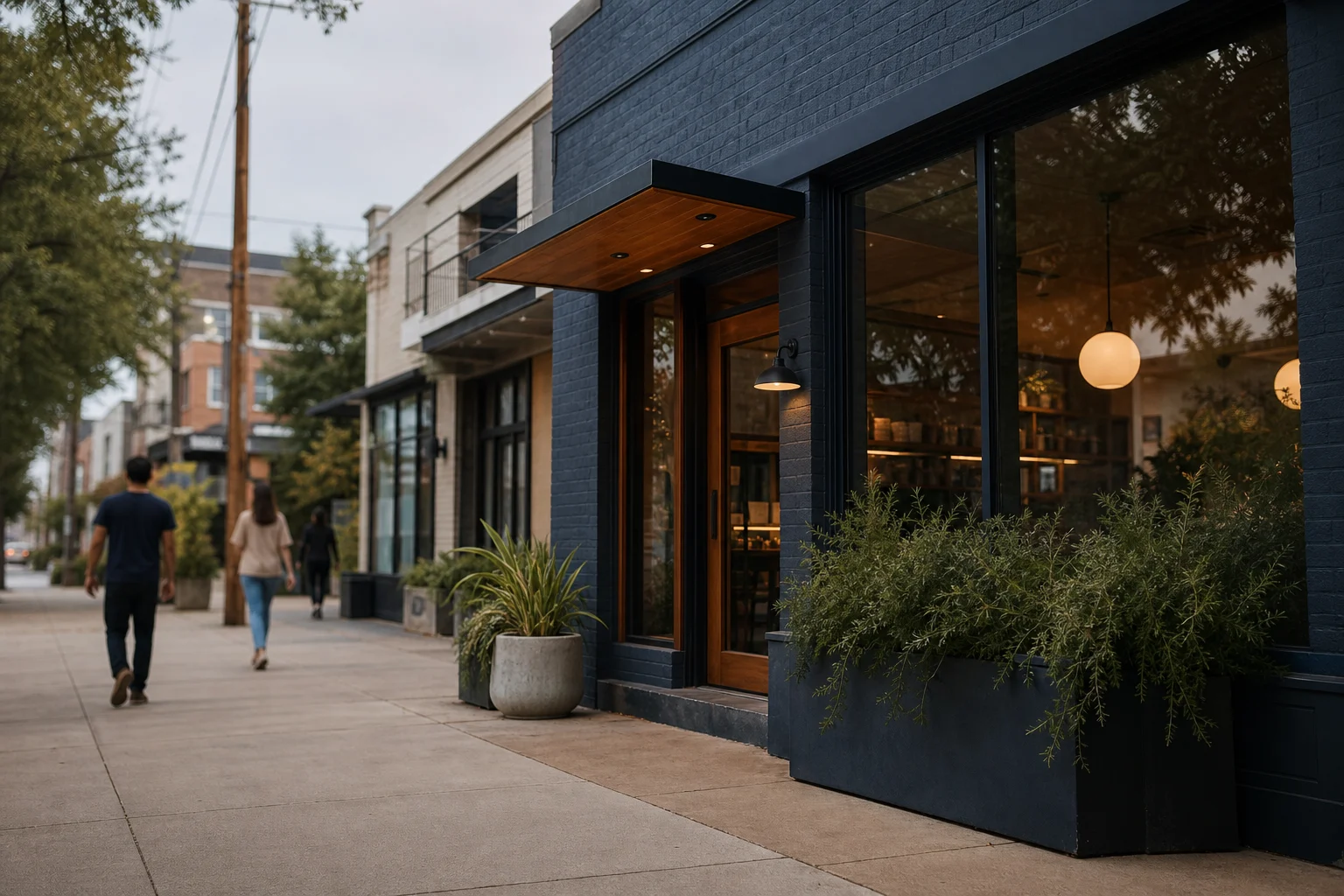
Equipment Categories by Launch Format
The equipment needs for a bakery in Denver vary significantly based on your chosen format. A counter-service bakery requires different equipment than a full-service establishment with seating. Denver's market temperature is promising, with medium competition density, allowing various bakery formats to thrive.
Counter-service bakeries focus on production and display equipment. You'll need commercial ovens, mixers, proofing cabinets, and display cases. These spaces prioritize efficiency and throughput, with minimal seating or none at all. The rent level in Denver is low, which helps offset the initial equipment investment for this format.
Full-service bakeries require additional equipment for seating areas. This includes tables, chairs, and potentially specialized equipment for beverages like espresso machines. The walkability in Denver's top areas like LoDo is maxed out, making these locations attractive for customers who want to enjoy their baked goods on-site.
Specialty bakeries, such as those focusing on gluten-free or organic products, may need specialized equipment to meet their specific production requirements. Denver's creative-class hub in RiNo supports innovative bakery concepts, allowing for specialized formats to find their audience.
Buildout Assumptions That Change the Budget
Buildout requirements significantly impact your overall budget when opening a bakery in Denver. The specific needs depend on your location within the city and the condition of your commercial space.
LoDo (Lower Downtown), with its overall score of 7.9/10, offers high-traffic areas with Union Station commuters, Coors Field event crowds, Larimer Square tourists, and a dense office-worker base. This prime location may require more sophisticated buildout to match the area's upscale character. Rent runs roughly $30-50/sqft NNN in LoDo, which is workable for medium-budget bakeries.
RiNo (River North Art District), scoring 7.5/10, presents an industrial-chic aesthetic that might influence your buildout approach. This area features murals, galleries, breweries, and The Denver Central Market as an anchor. The strong office density and solid residential density in RiNo create opportunities for bakery concepts that embrace the neighborhood's creative vibe.
Five Points, with a 7.2/10 score, blends historic jazz-district character with Welton Street light-rail access and growing residential density. This area's adjacent location to RiNo and downtown provides walkability and daytime population that might influence your buildout priorities. The historic nature of Five Points could mean older spaces that require more extensive renovation.
Buildout considerations include plumbing for sinks and dishwashers, electrical systems for equipment, ventilation for ovens, and flooring that meets health codes. Each of these elements can significantly impact your budget, especially in older buildings that may require substantial upgrades.
New vs Used Equipment Tradeoffs
When equipping your Denver bakery, you'll face decisions about purchasing new or used equipment. Each option presents distinct advantages and considerations that affect your initial investment and long-term operational costs.
New equipment offers the latest technology, energy efficiency, and manufacturer warranties. In Denver's promising market, reliable equipment can help maintain consistent quality and production capacity. New items typically come with comprehensive support services, reducing downtime during critical periods. However, the initial cost is significantly higher, which can strain startup capital.
Used equipment presents a budget-friendly alternative with lower upfront costs. Denver's medium competition density means there's a market for quality used bakery equipment as businesses upgrade or close. Well-maintained used items can provide years of reliable service at a fraction of new equipment costs. The tradeoff includes potentially higher maintenance needs, shorter remaining lifespan, and limited warranty coverage.
The rent level in Denver is low, which provides some flexibility in equipment purchasing decisions. This financial breathing room allows bakery founders to potentially invest in higher-quality used equipment or a mix of new and used items based on their specific needs.
Consider the total cost of ownership when making equipment decisions. Energy-efficient new models may save money over time despite higher initial costs. Conversely, quality used equipment from reputable sellers might offer better value for items that don't require the latest technological advances.
What to Inspect in a Second-Generation Space
When evaluating existing bakery spaces in Denver, thorough inspection of the buildout and existing equipment can reveal opportunities to reduce startup costs. The city's low rent levels make second-generation spaces particularly attractive for budget-conscious bakery founders.
Examine existing equipment carefully. Even if you plan to replace most items, functional equipment can be repurposed or sold to offset costs. Look for well-maintained ovens, mixers, and refrigeration units that might serve your needs with minimal investment. Denver's market temperature is promising, meaning a well-equipped bakery could attract customers immediately upon opening.
Assess the buildout elements that align with your concept. Plumbing, electrical systems, ventilation, and flooring represent significant expenses if they need replacement. Spaces in LoDo, with its high-traffic areas and established bakery presence like Trompeau (4.5★) and LoDough (4.9★), may have buildout elements that support various bakery formats.
Consider the layout's efficiency for your specific operations. Even if equipment needs replacement, a well-designed workflow can save time and labor costs. RiNo's creative-class hub supports innovative bakery concepts that might benefit from unique layouts that existing spaces provide.
Evaluate the condition of infrastructure elements like grease traps, exhaust systems, and utility connections. These components are expensive to replace but essential for operations. Spaces in Five Points, with its historic jazz-district character, may have charming features but require careful assessment of infrastructure needs.
Finally, verify that any existing buildout meets current health codes and regulations. Non-compliance can lead to expensive modifications or operational restrictions. Denver's medium competition density suggests that most spaces likely meet basic requirements, but thorough due diligence is essential.
FAQ
What equipment do I need for A Bakery in Denver?
The essential equipment for a bakery in Denver depends on your specific format and concept. Basic requirements include commercial ovens for baking, mixers for dough preparation, proofing cabinets for controlled rising, and display cases for customer presentation. Additional equipment may include refrigeration units, work tables, sinks, and potentially specialized items like sheeters or depositors based on your product offerings.
How does location affect equipment needs in Denver?
Denver's top bakery locations have distinct characteristics that influence equipment requirements. LoDo's high-traffic areas with commuters and tourists may require display equipment that maximizes visibility and quick service. RiNo's creative-class hub might support equipment that enables artisanal production methods. Five Points' growing residential density could necessitate equipment for both production and potentially small seating areas.
Should I buy new or used equipment for my Denver bakery?
The decision between new and used equipment depends on your budget and specific needs. New equipment offers the latest technology and warranties but comes with higher upfront costs. Used equipment provides budget-friendly alternatives with lower initial investment but may require more maintenance. Denver's low rent levels provide some flexibility in equipment purchasing decisions, allowing founders to potentially invest in a mix of new and used items based on priority needs.
What buildout elements should I prioritize in a Denver bakery space?
Prioritize buildout elements that directly impact your operations and customer experience. Plumbing for sinks and dishwashers, electrical systems for equipment, ventilation for ovens, and flooring that meets health codes are essential considerations. Denver's promising market temperature means that a well-designed space can enhance customer experience and operational efficiency, potentially improving your return on investment.
How can I reduce equipment costs for my Denver bakery?
Several strategies can help reduce equipment costs. Purchasing quality used equipment from reputable sellers can significantly lower initial expenses. Repurposing existing equipment in second-generation spaces can also save money. Prioritizing essential items and expanding as your business grows allows for phased investment. Denver's medium competition density means there's a market for quality used bakery equipment, providing opportunities for cost-effective sourcing.
Last reviewed: 2026-05-08
Sources: U.S. Census Bureau ACS, LEHD LODES, Google Places, OpenStreetMap, Locavisor neighborhood scoring.
Methodology: Locavisor scores neighborhoods across demand, competition fit, rent fit, accessibility, and customer match. Scores reflect a snapshot of recent data and should be combined with on-the-ground research before lease decisions.
Disclaimer: This article provides informational content only and does not constitute legal, financial, accounting, or real-estate advice. Verify lease terms, licensing, local regulations, costs, and professional requirements with qualified local professionals before making business decisions.
Free preview shows top 3 neighborhoods. Full $9.99 report covers all 10 areas with personalized scoring + 90-day check-ins.
Informational only. Verify lease, licensing, local regulations, costs, and professional requirements with qualified local professionals.