Minneapolis, MN · bakery
Bakery equipment costs Minneapolis
For Minneapolis entrepreneurs planning a bakery launch, understanding equipment costs and buildout requirements is crucial for budgeting. The city's mixed market temperature and medium competition density create both opportunities and challenges for new bakery ventures. Locavisor neighborhood scoring identifies North Loop as the best area with a 6.9/10 score, though Lowry Hill matches this rating with more affordable rent options. Your equipment decisions will significantly impact startup costs, especially when considering Minneapolis's medium rent level and the specific demands of each neighborhood.
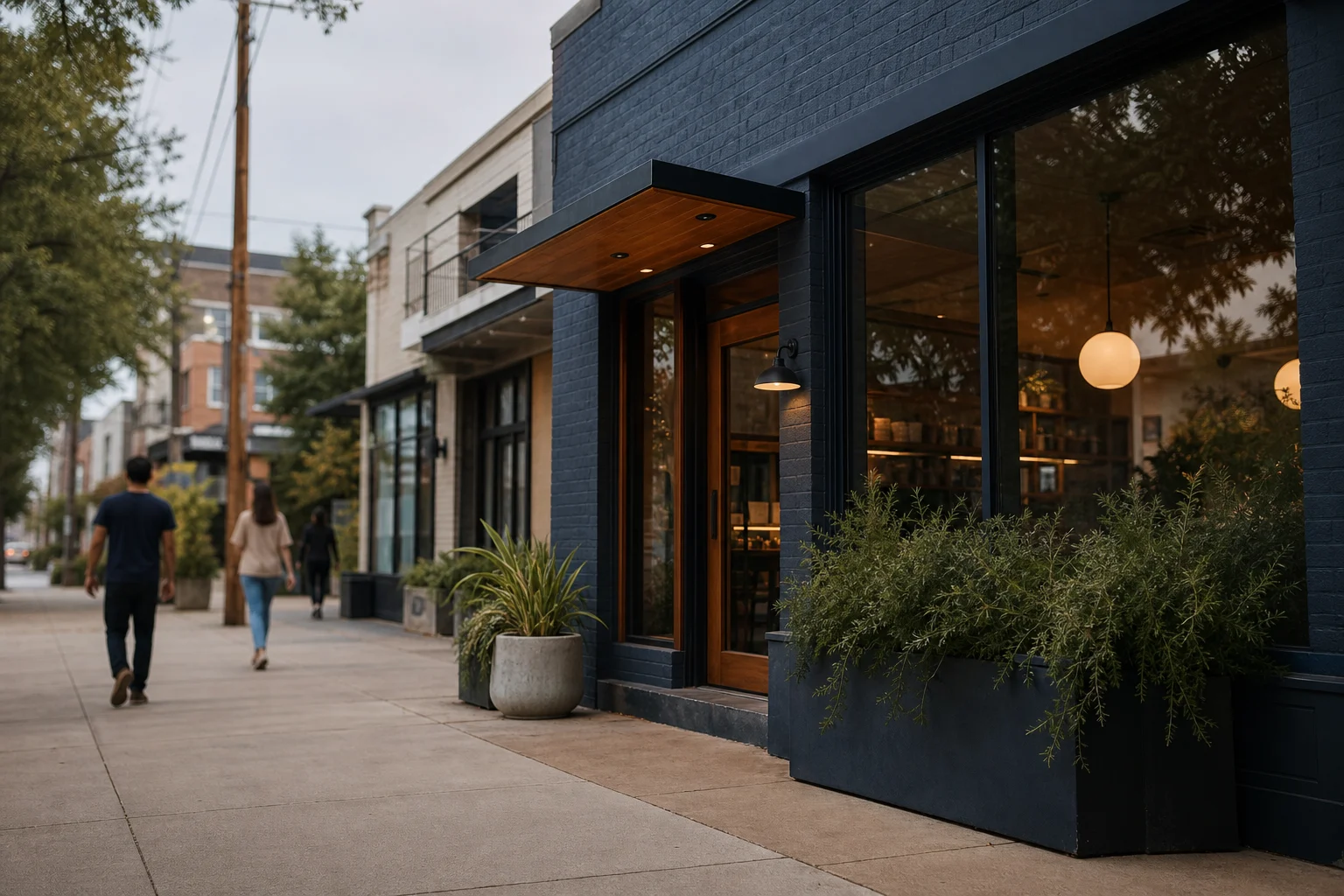
Equipment categories by launch format
Bakery equipment costs in Minneapolis vary significantly based on your chosen format. A full-service bakery requires different equipment than a counter-service operation or a wholesale-only facility. The North Loop area's premium rent of $65-95/sqft NNN suggests you'll need to balance equipment quality with space efficiency. Meanwhile, Lowry Hill's more affordable rent at $20-35/sqft NNN offers budget flexibility for equipment acquisition.
Your format determines essential equipment categories. Counter-service operations prioritize display cases and customer-facing equipment, while wholesale bakeries focus on production capacity. Downtown Minneapolis presents unique challenges with high daytime population density but also intense competition from Keys Cafe & Bakery (4.5★/2,000 reviews) located just 210m from the centroid. This competitive landscape means your equipment choices must support both quality production and efficient service to stand out.
Production equipment forms the backbone of any bakery operation. Mixers, ovens, and proofers represent significant investments regardless of location. In Minneapolis's mixed market temperature, equipment reliability becomes even more critical to maintain consistent quality. The medium competition density across all three top areas means your equipment should support differentiation through unique product offerings or superior efficiency.
Buildout assumptions that change the budget
Buildout requirements significantly impact bakery startup costs in Minneapolis. The North Loop's trendiest former-warehouse district setting may require more extensive renovations to meet modern bakery standards. Locavisor neighborhood scoring indicates North Loop has city-leading office density and strong morning/lunch daypart scores, suggesting high foot traffic during business hours. This environment justifies buildout investments that enhance customer experience and operational efficiency.
Lowry Hill's value corridor positioning along Hennepin + Franklin near the Walker Art Center and Minneapolis Sculpture Garden presents different buildout considerations. The tourist traffic from these art institutions adds weekend lift, potentially allowing for more customer-facing buildout elements. Your buildout budget must account for both production efficiency and customer experience components, with allocations shifting based on your specific format and location.
Downtown Minneapolis around Nicollet Mall and the skyway system presents unique buildout challenges due to the highest daytime population density of all areas. The existing infrastructure may limit certain modifications while requiring compliance with specific building codes. When planning your buildout, consider how the physical constraints of each location will impact equipment placement, workflow efficiency, and customer flow. The medium rent level across Minneapolis means buildout investments should focus on elements that provide long-term value rather than short-term aesthetics.
New vs used equipment tradeoffs
The decision between new and used equipment significantly affects bakery startup costs in Minneapolis. New equipment offers warranty protection, energy efficiency, and the latest technology but represents a substantial upfront investment. In North Loop's premium rent environment, the higher initial cost of new equipment may be offset by lower maintenance expenses and energy savings over time. Locavisor's 78% score confidence suggests reliable market data to inform this decision.
Used equipment presents budget-friendly alternatives with immediate availability. In Lowry Hill's more affordable rent environment, the savings from used equipment could be redirected toward higher-quality ingredients or marketing. However, used equipment carries higher maintenance risks and may lack energy efficiency features. The medium competition density across Minneapolis means operational reliability becomes crucial for maintaining consistent product quality and customer satisfaction.
The age and condition of used equipment require careful evaluation. Older models may have outdated safety features or higher maintenance needs that increase long-term costs. In Downtown's competitive landscape with Keys Cafe & Bakery as a dominant incumbent, equipment reliability becomes even more critical for maintaining consistent quality. Consider the total cost of ownership rather than just purchase price when evaluating new versus used options for your Minneapolis bakery.
What to inspect in a second-generation space
When considering existing bakery spaces in Minneapolis, thorough inspection of existing equipment and buildout elements can reduce startup costs. The North Loop's trendier setting may include updated facilities that require minimal modification. Locavisor neighborhood scoring indicates this area has strong morning/lunch daypart scores, suggesting equipment should be evaluated for peak-hour performance capabilities.
In Lowry Hill's value corridor, existing bakery spaces may offer turnkey solutions with established equipment. The tourist traffic from nearby cultural institutions adds weekend lift, meaning equipment should be assessed for consistent performance across different dayparts. When inspecting second-generation spaces, evaluate not just the equipment's condition but also its compatibility with your specific product offerings and production needs.
Downtown Minneapolis presents unique considerations for second-generation spaces. The high daytime population density means equipment should be evaluated for both production capacity and service speed. The presence of Keys Cafe & Bakery just 210m from the centroid suggests competitive pressure for efficiency and quality. When inspecting existing spaces, look for equipment that supports your operational workflow while meeting Minneapolis's health and safety requirements.
FAQ
What equipment do I need for A Bakery in Minneapolis?
The essential equipment for a Minneapolis bakery depends on your specific format and offerings. Core production equipment typically includes mixers, ovens, proofers, and refrigeration units. Counter-service operations require display cases and customer service stations, while wholesale bakeries focus on production capacity. Minneapolis's medium rent level means equipment choices should balance quality with space efficiency, particularly in premium areas like North Loop where rent runs $65-95/sqft NNN.
How does location affect equipment needs in Minneapolis?
Different Minneapolis neighborhoods present unique equipment requirements based on their characteristics. North Loop's city-leading office density and strong morning/lunch daypart scores suggest equipment optimized for high-volume production during business hours. Lowry Hill's tourist traffic from cultural institutions adds weekend lift, requiring equipment capable of handling fluctuating demand. Downtown's high daytime population density and intense competition from established players like Keys Cafe & Bakery (4.5★/2,000 reviews) just 210m from the centroid necessitate equipment that supports both efficient service and product differentiation.
Should I buy new or used equipment for my Minneapolis bakery?
The decision between new and used equipment depends on your budget, risk tolerance, and specific needs. New equipment offers warranty protection and energy efficiency but requires higher upfront investment. Used equipment provides immediate cost savings but carries higher maintenance risks. In North Loop's premium rent environment, the long-term savings from energy-efficient new equipment may justify the higher initial cost. Meanwhile, Lowry Hill's more affordable rent at $20-35/sqft NNN allows for greater budget flexibility when acquiring used equipment. Consider the total cost of ownership and your bakery's specific operational requirements when making this decision.
How does buildout impact bakery startup costs in Minneapolis?
Buildout requirements significantly affect startup costs across Minneapolis's top neighborhoods. North Loop's trendier former-warehouse district setting may require extensive renovations to meet modern bakery standards. Lowry Hill's value corridor along cultural institutions presents different buildout considerations, with potential for customer-facing elements that leverage tourist traffic. Downtown's high daytime population density creates unique buildout challenges due to existing infrastructure and building code requirements. Your buildout budget should prioritize elements that enhance both operational efficiency and customer experience, with allocations shifting based on location-specific characteristics.
What should I look for when inspecting existing bakery equipment?
When evaluating existing bakery equipment in Minneapolis, focus on condition, compatibility, and total cost of ownership. Check for signs of wear, outdated safety features, and energy efficiency. In North Loop's competitive environment, equipment reliability becomes crucial for maintaining consistent quality during peak hours. Lowry Hill's weekend tourist traffic means equipment should be assessed for performance consistency across different dayparts. Downtown's intense competition with established players like Keys Cafe & Bakery necessitates equipment that supports both production efficiency and service speed. Always verify that existing equipment meets Minneapolis's health and safety requirements before making a purchase decision.
Last reviewed: 2026-05-08
Sources: U.S. Census Bureau ACS, LEHD LODES, Google Places, OpenStreetMap, Locavisor neighborhood scoring.
Methodology: Locavisor scores neighborhoods across demand, competition fit, rent fit, accessibility, and customer match. Scores reflect a snapshot of recent data and should be combined with on-the-ground research before lease decisions.
Disclaimer: This article provides informational content only and does not constitute legal, financial, accounting, or real-estate advice. Verify lease terms, licensing, local regulations, costs, and professional requirements with qualified local professionals before making business decisions.
Free preview shows top 3 neighborhoods. Full $9.99 report covers all 10 areas with personalized scoring + 90-day check-ins.
Informational only. Verify lease, licensing, local regulations, costs, and professional requirements with qualified local professionals.