New York, NY · bakery
Bakery equipment costs New York
Opening a bakery in New York means balancing equipment needs with the city's tight spaces, high rent, and strict regulations. Equipment and buildout planning are make-or-break steps-skipping details here can derail a startup before it even bakes its first loaf. New York's rent bands (e.g., $37-$670/sqft/yr NNN) and neighborhood constraints (like Murray Hill's 6.2/10 score) force founders to prioritize efficiency and compliance. This guide breaks down what to consider, using local data to ground decisions.
What equipment do you need to open a bakery in New York?
The core equipment list for a New York bakery depends on your concept-whether you're a artisanal café, a wholesale supplier, or a dessert-focused spot. Key categories include:
- Ovens: Deck ovens (for bread), convection ovens (for pastries), or specialized equipment like proofers.
- Mixers: Spiral mixers (for dough), planetary mixers (for batters), or small stand mixers for smaller batches.
- Refrigeration: Reach-in coolers (for ingredients), walk-in freezers (for bulk storage), or under-counter units.
- Prep stations: Worktables, dough sheeters, or slicing machines.
- Display cases: Refrigerated cases (for cakes) or dry cases (for pastries).
Local context matters. For example, Murray Hill's high foot traffic (Grand Central Station, Hudson Yards) demands equipment that supports quick service-like a proofing cabinet to speed up dough rising for morning rush. Tribeca's upscale vibe (Brookfield Place, Westfield World Trade Center) might prioritize sleek, commercial-grade display cases to match Frenchette Bakery's aesthetic.
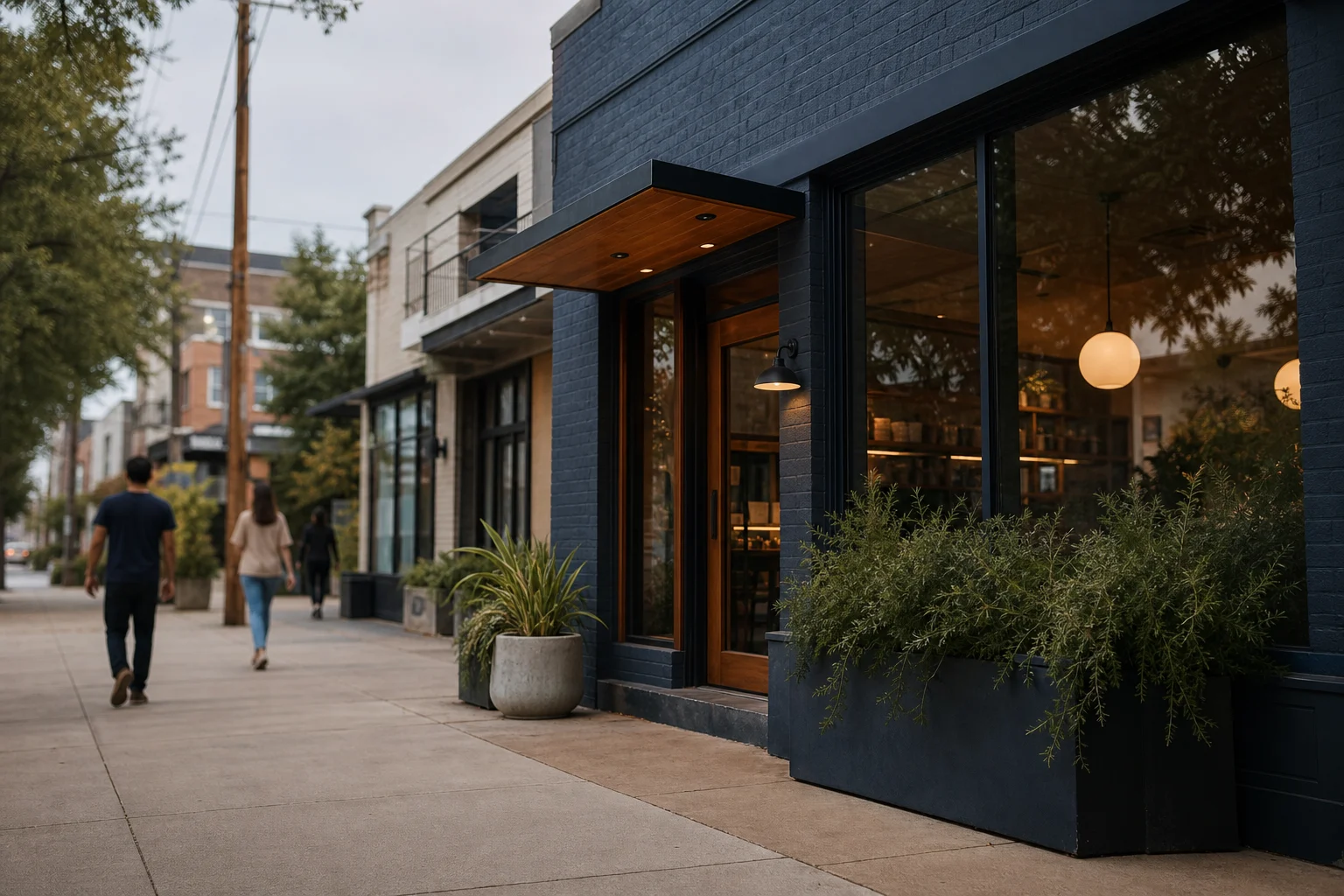
Buildout cost categories
Buildout costs in New York are driven by neighborhood rent bands, utility requirements, and permit rules. Below are key categories to validate:
Plumbing and electrical
New York's older buildings often need upgrades to handle bakery loads. For example, a deck oven requires a dedicated 240V circuit, while a walk-in cooler needs proper drainage. Murray Hill's rent band ($37-$670/sqft/yr NNN) means even small electrical upgrades can add up-verify with a licensed electrician that your space can support equipment.
HVAC and ventilation
Bakeries generate heat and odors, so ventilation is non-negotiable. Midtown's dense office buildings (Metro Manhattan Office Space, Inc.) require systems that meet NYC's air quality standards. A commercial hood over ovens is mandatory, and ductwork must be sized for your equipment load.
Flooring and finishes
Durable, slip-resistant flooring is critical. Tribeca's 6.1/10 score includes spaces like 225 Broadway-commercial epoxy or tile floors handle flour, water, and foot traffic better than residential options. Avoid carpet, which traps debris and fails health codes.
Permits-driven items
NYC's Department of Health and Mental Hygiene (DOHMH) and Buildings Department (DOB) require permits for equipment installation. For example, a new walk-in cooler needs a DOB permit for structural changes, and a hood requires a DOHMH inspection. Always check with these agencies before starting work.
Furniture and signage
Signage in New York is regulated-size, lighting, and placement must comply with local laws. Times Square's 6.0/10 score includes venues like Line Friends New York Times Square Store, where bold signage draws foot traffic. For your bakery, prioritize clear, compliant signs that stand out in high-rent areas.
Equipment line items to validate in New York
Not all equipment is equal in New York. Prioritize items that fit your space and concept:
- Space-efficient ovens: Deck ovens take less room than convection ovens, ideal for small spaces like Astoria's $37-$670/sqft/yr NNN spots.
- Modular refrigeration: Under-counter units save space in tight kitchens, common in Midtown's 6.1/10 areas.
- Durable mixers: Spiral mixers handle heavy dough, reducing wear in high-volume spots like Magnolia Bakery (Grand Central).
How established operators in New York configure their kitchens
Local bakeries offer clues. Takahachi Bakery in Tribeca uses a compact layout with a central mixer and nearby proofing cabinet-maximizing space in a 6.1/10 neighborhood. Junior's Restaurant and Bakery in Midtown prioritizes a large oven for bread, aligning with foot traffic from Grand Central. Frenchette Bakery in Tribeca uses sleek display cases to match its upscale vibe, while Brooklyn Bread Cafe in Tribeca focuses on prep stations for quick service.
| Equipment Type | Key Consideration for New York | Local Example |
|---|---|---|
| Ovens | Space efficiency, voltage | Takahachi Bakery (Tribeca) |
| Refrigeration | Drainage, size | Magnolia Bakery (Grand Central) |
| Display Cases | Compliance, aesthetics | Frenchette Bakery (Tribeca) |
| Mixers | Durability, batch size | Junior's (Midtown) |
Used vs. new vs. lease
- New: Best for reliability but pricier. Midtown's high rent ($37-$670/sqft/yr NNN) makes new equipment a long-term investment.
- Used: Cheaper upfront but risky-verify maintenance history. Astoria's 6.1/10 score includes spaces where used equipment can save costs.
- Lease: Lowers upfront costs but ties you to contracts. Times Square's 6.0/10 area might benefit from leasing to avoid large initial outlays.
Buildout timeline
New York's permitting process can delay buildouts. DOB and DOHMH inspections take time-factor in a variable local timeline for permits, plus a variable local timeline for contractor work. Murray Hill's transit access (Grand Central Station) means faster material delivery, but older buildings may need more prep.
Common buildout overruns
- Electrical upgrades: Older buildings in Tribeca or Astoria often need rewiring for bakery equipment.
- Ventilation delays: NYC's strict air quality rules can slow hood installations.
- Permit revisions: Changes to plans (e.g., adding a walk-in cooler) trigger re-inspections.
| Neighborhood | Locavisor score | Rent band | Local operator signal | Founder validation check |
|---|---|---|---|---|
| Murray Hill | 6.2/10 | $37-$670/sqft/yr NNN | Magnolia Bakery - Grand Central, Heritage Grand Bakery | Check utility capacity, ventilation, plumbing, storage, and fixture layout. |
| Midtown | 6.1/10 | $37-$670/sqft/yr NNN | Magnolia Bakery - Rockefeller Center, Junior's Restaurant and Bakery | Check utility capacity, ventilation, plumbing, storage, and fixture layout. |
| Tribeca | 6.1/10 | $37-$670/sqft/yr NNN | Takahachi Bakery, Frenchette Bakery | Check utility capacity, ventilation, plumbing, storage, and fixture layout. |
| Astoria | 6.1/10 | $37-$670/sqft/yr NNN | Jhoanes Bakery & Coffee, Somedays Bakery - Astoria | Check utility capacity, ventilation, plumbing, storage, and fixture layout. |
| Times Square / Theater District | 6.0/10 | $37-$670/sqft/yr NNN | Magnolia Bakery - Rockefeller Center, Junior's Restaurant and Bakery | Check utility capacity, ventilation, plumbing, storage, and fixture layout. |
FAQ
Q: Do I need a commercial kitchen for a small bakery in New York?
A: Yes-NYC requires a commercial kitchen for food service. Even small bakeries must meet DOHMH standards.
Q: How do I choose between a deck oven and convection oven?
A: Deck ovens suit bread (better crust), convection for pastries (even baking). Midtown's 6.1/10 score favors deck ovens for foot traffic.
Q: Can I use residential equipment in a New York bakery?
A: No-residential equipment fails health codes and may not handle commercial loads. Use commercial-grade gear.
Last reviewed: 2026-05-30
Sources: U.S. Census Bureau ACS, LEHD LODES, Google Places, OpenStreetMap, Locavisor neighborhood scoring.
Methodology: Locavisor scores neighborhoods across demand, competition fit, rent fit, accessibility, and customer match. Scores reflect a snapshot of recent data and should be combined with on-the-ground research before lease decisions.
Disclaimer: This article provides informational content only and does not constitute legal, financial, accounting, or real-estate advice. Verify lease terms, licensing, local regulations, costs, and professional requirements with qualified local professionals before making business decisions.
Free preview shows top 3 neighborhoods. Full $9.99 report covers all 10 areas with personalized scoring + 90-day check-ins.
Informational only. Verify lease, licensing, local regulations, costs, and professional requirements with qualified local professionals.