San Antonio, TX · bakery
Bakery equipment costs San Antonio
Opening a bakery in San Antonio requires careful planning around equipment and buildout costs. The equipment you choose directly impacts your operational efficiency, product quality, and long-term profitability. San Antonio's diverse neighborhoods offer different rent structures and customer demographics, which should influence your equipment decisions. The right equipment setup can help you navigate the local market effectively, whether you're targeting the Quarry Market area with its high foot traffic or the Downtown San Antonio location where established bakeries like La Panadería Bakery Café and CommonWealth Coffeehouse & Bakery Hemisfair operate.
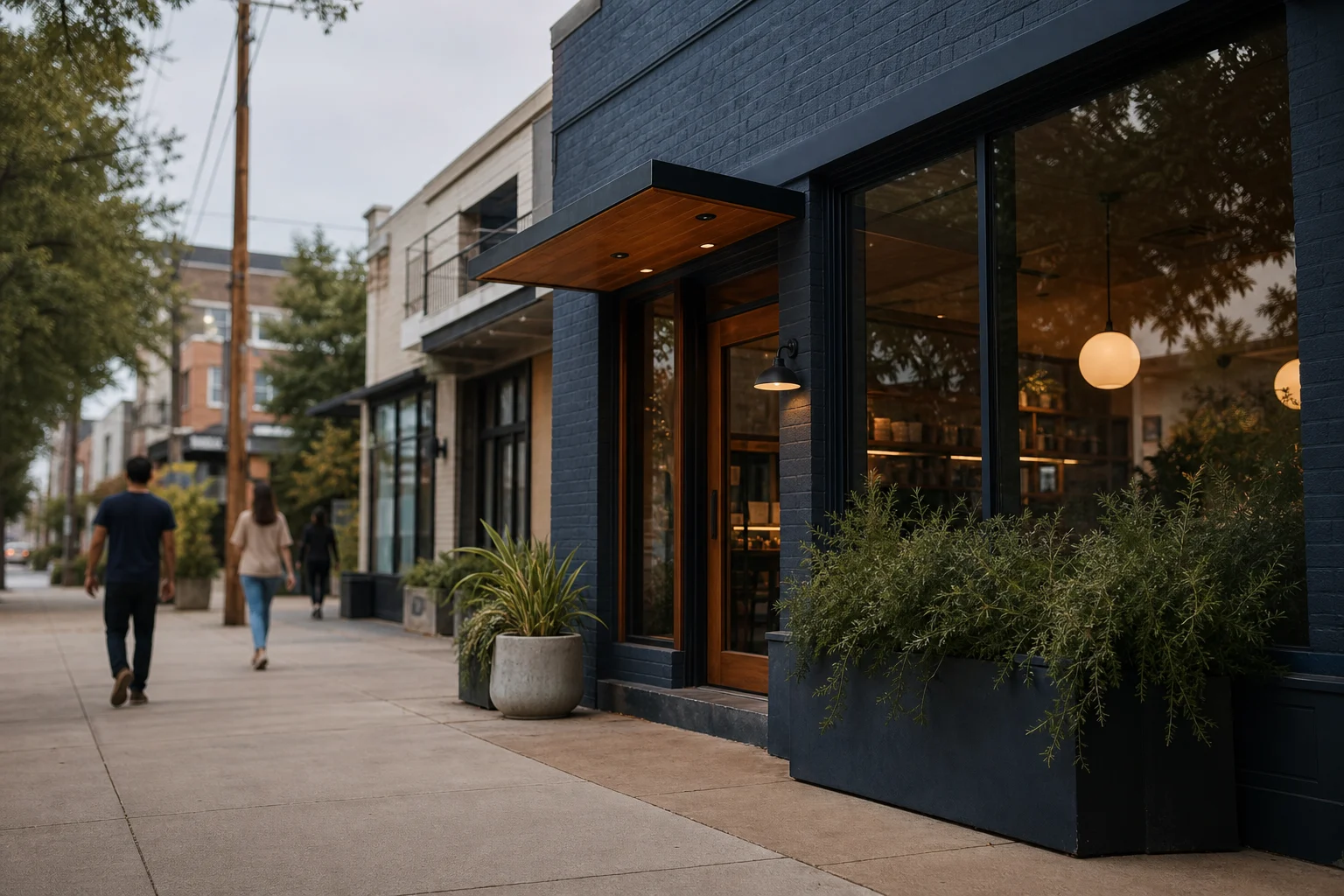
What equipment do you need to open a bakery in San Antonio?
The core equipment for a bakery in San Antonio typically includes ovens, mixers, refrigeration units, proofing cabinets, and display cases. However, the specific configuration depends on your business model-whether you're a full-service bakery café, a specialty pastry shop, or a wholesale operation. San Antonio's established bakeries like Corner Bakery Cafe in Quarry Market and Makies Bakery Stone Oak demonstrate different equipment approaches based on their target markets. When planning your equipment needs, consider the space constraints of your chosen location and the local utility infrastructure.
Buildout cost categories
Plumbing and electrical
Plumbing and electrical work represents a significant portion of your buildout budget. San Antonio's building codes require specific installations for commercial kitchens, including grease traps, proper drainage, and sufficient electrical capacity. The rent bands in neighborhoods like Downtown San Antonio ($40/sqft/yr NNN) versus Quarry Market ($22-$48/sqft/yr NNN) often correlate with the quality of existing infrastructure. Older buildings in areas like the West Side may require more extensive upgrades to meet current health and safety standards.
HVAC and ventilation
Proper ventilation is non-negotiable for any bakery operation in San Antonio's climate. The city's heat and humidity demand robust HVAC systems that can maintain consistent temperatures while effectively removing heat and moisture from ovens and proofing areas. Stone Oak locations, with their $22-$48/sqft/yr NNN rent bands, may have newer infrastructure that accommodates bakery needs more easily than some Downtown locations.
Flooring and finishes
Commercial bakery flooring must withstand heavy foot traffic, frequent cleaning, and potential spills. San Antonio's established bakeries like La Boulangerie in Downtown San Antonio use specialized flooring that meets health codes while providing slip resistance. The choice of finishes affects both safety and the overall customer experience, particularly in high-visibility locations like Quarry Market where foot traffic is substantial.
Permits-driven items
Building permits in San Antonio govern many aspects of your bakery setup, including equipment installation and modifications to existing structures. You'll need to coordinate with the city's planning department and potentially the fire marshal to ensure compliance. The permitting process can add time and cost to your buildout, especially in historic districts or areas with strict zoning like Downtown San Antonio.
Furniture and signage
Customer-facing elements like display cases, seating, and signage contribute to your brand identity and customer experience. San Antonio's successful bakeries like CommonWealth Coffeehouse & Bakery Hemisfair use their interior design to create welcoming atmospheres that encourage customers to stay and enjoy their products. Signage visibility is particularly important in high-traffic areas like the Quarry Market where competition is visible.
Equipment line items to validate in San Antonio
When selecting equipment for your San Antonio bakery, consider these essential items:
- Commercial ovens (deck, convection, or combination)
- Mixers (planetary or spiral)
- Refrigeration units (reach-in and walk-in)
- Proofing cabinets
- Display cases
- Work tables and prep stations
- Shelving and storage systems
- Cleaning and sanitation equipment
The specific models and brands you choose should align with your production volume and the local utility infrastructure. For example, energy-efficient equipment might be more cost-effective in areas with higher utility rates, while durable models make sense for high-traffic locations.
How established operators in San Antonio configure their kitchens
San Antonio's successful bakeries offer valuable insights into equipment configuration. La Panadería Bakery Café in Downtown San Antonio uses a combination of commercial ovens and display cases to showcase their products effectively. CommonWealth Coffeehouse & Bakery Hemisfair prioritizes customer experience with visible preparation areas and comfortable seating. Makies Bakery Stone Oak focuses on efficient workflow with strategically placed equipment that supports their production needs.
These established operators demonstrate that equipment choices should reflect your business model and target market. A bakery café like Corner Bakery Cafe in Quarry Market requires different equipment than a specialty pastry shop, and both differ from a wholesale operation serving restaurants and cafes throughout San Antonio.
Used vs. new vs. lease
Deciding between used, new, or leased equipment depends on your budget, timeline, and long-term plans. Used equipment can save money initially but may require more maintenance. New equipment often comes with warranties and the latest technology. Leasing offers flexibility but may be more expensive over time.
San Antonio's market for used bakery equipment includes local suppliers and online marketplaces. New equipment purchases may qualify for local business incentives, particularly in development-focused areas. Leasing options vary by neighborhood, with some areas offering more competitive rates than others.
Buildout timeline
The timeline for your bakery buildout in San Antonio depends on several factors, including permit processing times, contractor availability, and equipment delivery schedules. Downtown San Antonio locations may face longer permitting timelines due to historic preservation requirements, while newer developments in areas like Stone Oak might move more quickly.
Coordination between different trades-plumbers, electricians, HVAC specialists, and equipment installers-is crucial for staying on schedule. San Antonio's climate can also impact outdoor work timelines, particularly during peak summer months.
Common buildout overruns
Several factors commonly lead to budget overruns in bakery buildouts:
- Unexpected structural issues discovered during renovation
- Delays in permit approvals
- Equipment delivery problems
- Unforeseen utility upgrades
- Changes in design or scope
San Antonio's variable building conditions mean that even experienced contractors may encounter surprises. Having a contingency budget and flexible timeline can help manage these challenges.
| Neighborhood | Locavisor score | Rent band | Local operator signal | Founder validation check |
|---|---|---|---|---|
| Quarry Market | 7.0/10 | $22-$48/sqft/yr NNN | Corner Bakery Cafe, Whole Foods Bakery | Check utility capacity, ventilation, plumbing, storage, and fixture layout. |
| West Side / Westside | 6.9/10 | $22-$48/sqft/yr NNN | Panera Bread | Check utility capacity, ventilation, plumbing, storage, and fixture layout. |
| Downtown San Antonio | 6.4/10 | $40/sqft/yr NNN | La Panadería Bakery Café, CommonWealth Coffeehouse & Bakery Hemisfair | Check utility capacity, ventilation, plumbing, storage, and fixture layout. |
| Stone Oak | 6.4/10 | $22-$48/sqft/yr NNN | Makies Bakery Stone Oak | Check utility capacity, ventilation, plumbing, storage, and fixture layout. |
| UTSA Main Campus area | 6.3/10 | $22-$48/sqft/yr NNN | No direct operator listed | Check utility capacity, ventilation, plumbing, storage, and fixture layout. |
FAQ
What are the most important considerations when choosing a location for my bakery in San Antonio?
When selecting a location, consider the rent structure (Quarry Market: $22-$48/sqft/yr NNN, Downtown San Antonio: $40/sqft/yr NNN), foot traffic, competition, and existing infrastructure. Areas like Downtown San Antonio have higher rents but also higher visibility, while neighborhoods like West Side offer lower costs with different customer demographics.
How do San Antonio's building codes affect bakery equipment installation?
San Antonio's building codes require specific installations for commercial kitchens, including proper ventilation, grease management systems, and electrical capacity. You'll need to work with licensed contractors who understand local requirements, particularly in historic districts or areas with special zoning.
What makes a bakery successful in San Antonio's competitive market?
Successful bakeries like La Panadería Bakery Café and CommonWealth Coffeehouse & Bakery Hemisfair focus on quality products, customer experience, and strategic location. Understanding local preferences and adapting your offerings to San Antonio's diverse neighborhoods is key to long-term success.
Last reviewed: 2026-05-30
Sources: U.S. Census Bureau ACS, LEHD LODES, Google Places, OpenStreetMap, Locavisor neighborhood scoring.
Methodology: Locavisor scores neighborhoods across demand, competition fit, rent fit, accessibility, and customer match. Scores reflect a snapshot of recent data and should be combined with on-the-ground research before lease decisions.
Disclaimer: This article provides informational content only and does not constitute legal, financial, accounting, or real-estate advice. Verify lease terms, licensing, local regulations, costs, and professional requirements with qualified local professionals before making business decisions.
Free preview shows top 3 neighborhoods. Full $9.99 report covers all 10 areas with personalized scoring + 90-day check-ins.
Informational only. Verify lease, licensing, local regulations, costs, and professional requirements with qualified local professionals.