San Francisco, CA · bakery
Bakery equipment costs San Francisco
For small business founders planning a bakery in San Francisco, understanding equipment costs and buildout requirements is crucial for budgeting and planning. The city's high rent levels and competitive market make strategic equipment decisions even more important. Locavisor neighborhood scoring shows that the Tenderloin area is your best bet for a medium-budget bakery in SF, with an overall score of 6.9/10. This mixed-temperature market with medium competition density requires careful planning of your bakery equipment to maximize efficiency and profitability.
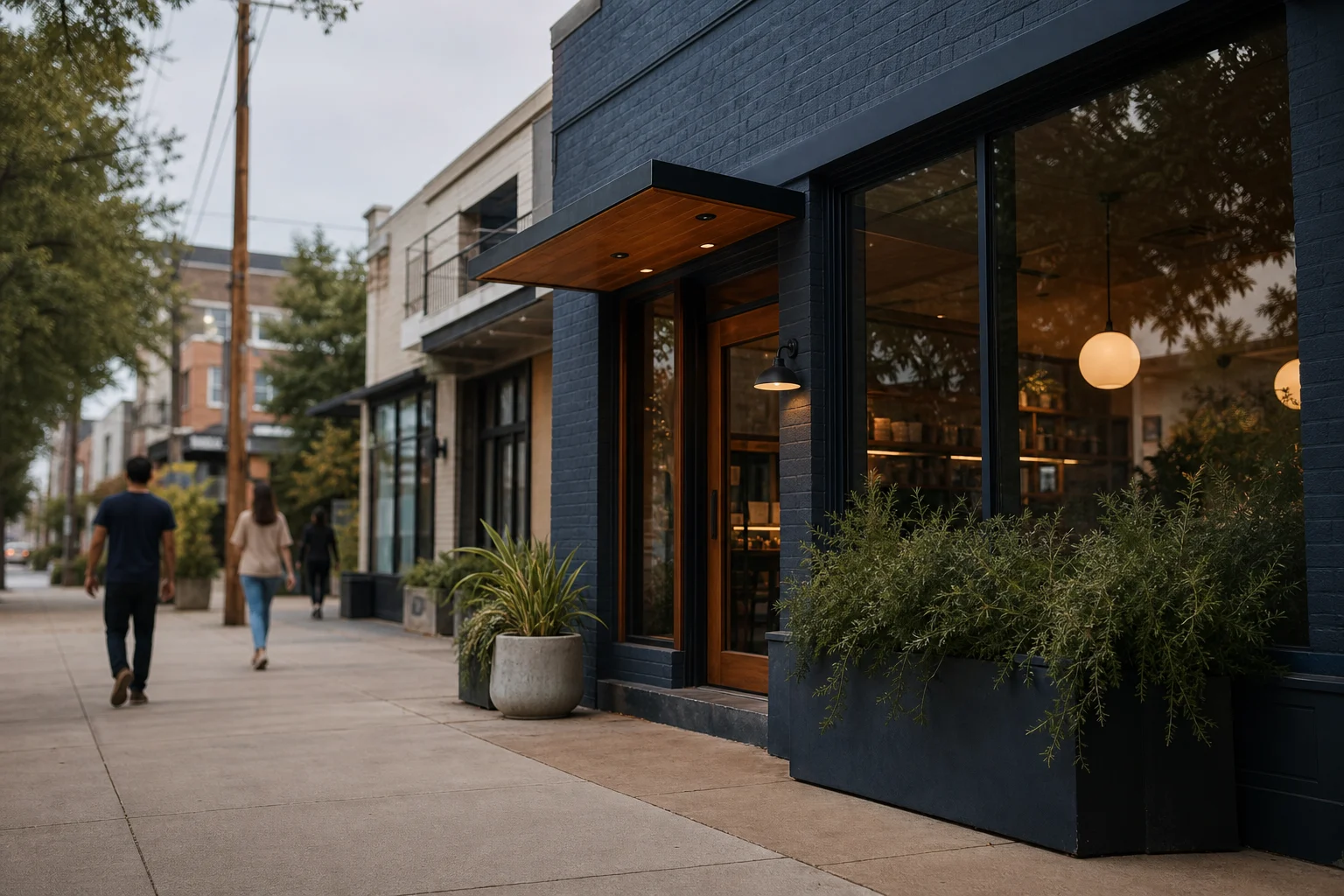
Equipment categories by launch format
The equipment needs for a bakery in San Francisco will vary significantly based on your chosen format. A takeout-first bakery in the Tenderloin will require different equipment than a full-service sit-down establishment in Nob Hill or Chinatown. Your format choice directly impacts equipment costs, space requirements, and operational efficiency.
Counter service bakeries need display cases for showcasing products, efficient POS systems, and compact baking equipment that maximizes limited space. The high rent levels in San Francisco ($45-70/sqft NNN in Tenderloin and Nob Hill, $65-95/sqft in Chinatown) make space optimization critical. Every square foot must serve multiple purposes in these premium locations.
Production-focused bakeries require larger mixers, proofing cabinets, and specialized equipment for high-volume output. The Tenderloin's "massive office-worker and tourist traffic" suggests high-volume potential, but the neighborhood's "social-service character means you'll need to nail the 7-9am commuter wave" - this timing consideration affects equipment capacity needs.
Full-service establishments need additional equipment like seating, dishwashers, and expanded food preparation stations. Nob Hill's "more upscale residential feel" might support this format, but the presence of established players like Bob's Donut & Pastry Shop (4.6★, 4,248 reviews) just 368m away means you'll need to differentiate through equipment quality and operational efficiency.
Buildout assumptions that change the budget
Buildout requirements in San Francisco's bakery hotspots vary by neighborhood and building type. Second-generation spaces often come with existing infrastructure that can reduce initial costs, while ground-up builds require more investment in plumbing, electrical, and ventilation systems.
The Tenderloin's "walkability, transit, and daytime population are all near ceiling" creates opportunities for efficient buildouts targeting commuter traffic. Your buildout should prioritize speed of service during peak morning hours when the "7-9am commuter wave" is most active. This might mean investing in display cases that allow quick access to popular items rather than elaborate preparation stations.
Nob Hill's "cable-car corridor and luxury hotels" suggest a different buildout approach. Here, you might invest in more aesthetic equipment and presentation elements that appeal to tourists and hotel guests. The presence of Le Marais Bakery (4.5★, 373 reviews) nearby indicates a market that appreciates quality presentation, which should influence your buildout priorities.
Chinatown's "maxed-out office density, walkability, and tourist traffic" creates high demand but also requires careful buildout planning. The premium rent levels ($65-95/sqft NNN) mean your buildout must maximize revenue potential. The crowded bakery landscape with competitors like Golden Gate Bakery (4.2★, 1,250 reviews), Yummy Bakery & Cafe (4.5★, 421 reviews), Eastern Bakery (4.4★, 681 reviews), and Paris Baguette (4.4★, 376 reviews) all within 600m means your buildout should emphasize differentiation through equipment that enables unique product offerings.
New vs used equipment tradeoffs
The decision between new and used equipment significantly impacts your initial investment and long-term maintenance costs. San Francisco's high operational costs make this decision particularly important for bakery startups.
New equipment offers reliability, warranty protection, and energy efficiency. In high-rent areas like San Francisco, energy-efficient equipment can provide long-term cost savings that offset the higher initial investment. The premium rent levels in Chinatown ($65-95/sqft NNN) make operational efficiency even more critical, potentially favoring new equipment despite the higher upfront cost.
Used equipment reduces initial capital outlay but comes with higher maintenance risks and potentially higher operating costs. In the Tenderloin, where "roughly $45-70/sqft NNN" is the rent range, the lower initial investment of used equipment might be attractive, but the reliability concerns could impact your ability to serve the "7-9am commuter wave" efficiently.
The market temperature in San Francisco is mixed, suggesting a balanced approach might be optimal. Consider investing in new equipment for critical production areas where reliability is paramount, while using quality used equipment for less critical functions. This hybrid approach can balance initial costs with long-term reliability.
What to inspect in a second-generation space
When evaluating a second-generation bakery space in San Francisco, specific equipment and infrastructure factors can significantly impact your budget and operational efficiency. The high rent levels across all three neighborhoods make thorough due diligence essential.
Inspect existing equipment for condition, age, and compatibility with your intended operations. In Nob Hill, where Bob's Donut & Pastry Shop operates 24/7 just 368m away, you'll need equipment that can match that operational intensity. Check for signs of wear that might indicate remaining useful life and potential replacement costs.
Evaluate the facility's infrastructure capacity. High-volume bakeries require robust electrical systems, adequate ventilation, and plumbing that can handle commercial demands. Chinatown's "maxed-out office density" suggests high daytime traffic that could strain inadequate systems.
Assess the layout's efficiency for your specific format. The Tenderloin's need to "lean into a takeout-first format" means the space should support streamlined customer flow. Look for bottlenecks in existing layouts that might require expensive modifications.
Check for compliance with current health and safety regulations. San Francisco's regulatory environment may require specific equipment features or modifications to existing installations. Non-compliance issues can lead to unexpected costs and operational delays.
FAQ
What equipment do I need for A Bakery in San Francisco?
The essential equipment for a bakery in San Francisco depends on your specific format and location. For a takeout-focused bakery in the Tenderloin, you'll need display cases, efficient POS systems, compact baking equipment, and packaging solutions optimized for the morning commuter rush. A full-service bakery in Nob Hill might require additional seating, expanded preparation stations, and equipment that supports table service. Chinatown's high tourist traffic might necessitate equipment that can handle both high volume and diverse product offerings. Regardless of location, prioritize equipment that maximizes space efficiency given San Francisco's premium rent levels, and invest in reliable equipment that can withstand the demands of a competitive market.
What are the key equipment categories for a San Francisco bakery?
Key equipment categories include baking ovens (deck, convection, or specialty), mixers (planetary, spiral, or specialized), proofing cabinets, refrigeration (reach-in, walk-in, and display cases), preparation surfaces, POS systems, display cases, packaging equipment, and storage solutions. Your specific needs will vary based on your product offerings and service format.
How does location affect equipment needs in San Francisco?
Location significantly impacts equipment needs. The Tenderloin's commuter traffic suggests equipment optimized for speed and takeout service. Nob Hill's upscale residential and tourist presence might warrant more aesthetic presentation equipment. Chinatown's crowded bakery landscape requires equipment that enables differentiation and high-volume production. All locations require space-efficient equipment due to high rent levels.
What buildout factors should I consider for a San Francisco bakery?
Key buildout factors include ventilation systems capable of handling commercial baking demands, electrical systems that support your equipment load, plumbing for commercial sinks and potentially floor drains, flooring that meets health code requirements, and layout optimization for your specific service format. San Francisco's premium rent makes space efficiency particularly important.
How do I balance equipment costs with San Francisco's high rent levels?
Balance equipment costs by prioritizing multi-functional equipment that maximizes space utilization, considering energy-efficient models that reduce long-term operating costs, and evaluating whether a hybrid approach of new and used equipment makes sense for your specific needs. The high rent environment makes operational efficiency particularly important, potentially justifying higher equipment investments that reduce labor costs or increase throughput.
Last reviewed: 2026-05-08
Sources: U.S. Census Bureau ACS, LEHD LODES, Google Places, OpenStreetMap, Locavisor neighborhood scoring.
Methodology: Locavisor scores neighborhoods across demand, competition fit, rent fit, accessibility, and customer match. Scores reflect a snapshot of recent data and should be combined with on-the-ground research before lease decisions.
Disclaimer: This article provides informational content only and does not constitute legal, financial, accounting, or real-estate advice. Verify lease terms, licensing, local regulations, costs, and professional requirements with qualified local professionals before making business decisions.
Free preview shows top 3 neighborhoods. Full $9.99 report covers all 10 areas with personalized scoring + 90-day check-ins.
Informational only. Verify lease, licensing, local regulations, costs, and professional requirements with qualified local professionals.