San Jose, CA · bakery
Bakery equipment costs San Jose
Opening a bakery in San Jose requires careful planning around equipment and buildout costs. The equipment you choose directly impacts your operational efficiency, product quality, and overall startup budget. San Jose's diverse neighborhoods present different rent structures and customer demographics that influence equipment decisions. Understanding local market conditions helps founders make informed choices about their bakery setup.
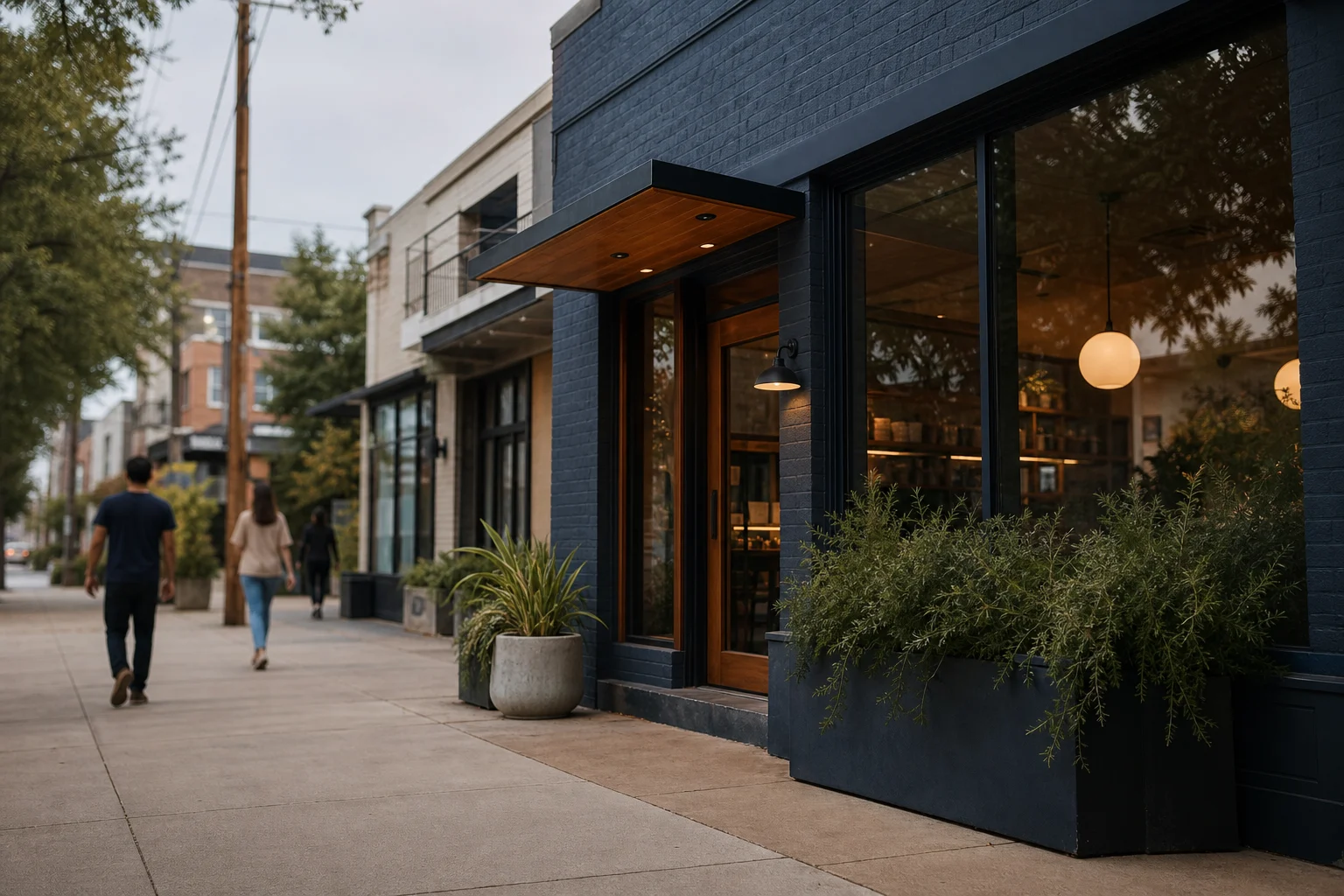
What equipment do you need to open a bakery in San Jose?
The core equipment for a bakery in San Jose typically includes ovens, mixers, proofers, refrigeration units, display cases, and work tables. The specific equipment list depends on your bakery concept-whether you're focusing on bread, pastries, cakes, or specialty items. San Jose's established bakeries like Milk Belly Bakery in Downtown San Jose and Yeganeh Bakery and Kafe Unik in Santana Row / Valley Fair demonstrate how different equipment configurations serve distinct customer bases.
Your equipment selection should align with your menu and production volume. A small artisan bakery might prioritize high-quality deck ovens and manual mixers, while a larger operation could benefit from commercial-scale equipment. The rent bands in San Jose neighborhoods vary significantly, with Downtown San Jose at $55/sqft/yr NNN and Santana Row / Valley Fair at $110/sqft/yr NNN, affecting how much space you can afford for equipment versus customer-facing areas.
Buildout cost categories
Plumbing and electrical
Plumbing and electrical work represents a substantial portion of your buildout costs. San Jose requires commercial-grade installations that meet local building codes. Your bakery will need dedicated circuits for ovens, refrigeration, and other high-power equipment. Water lines must accommodate commercial dishwashers, hand sinks, and potentially dough mixers with water attachments.
The electrical requirements vary based on your equipment load. Ovens, especially commercial deck ovens, can draw significant power. You'll need to verify your electrical capacity with the local utility provider and potentially upgrade your service if necessary. This is particularly important in older buildings in neighborhoods like Willow Glen, where electrical systems may need modernization.
HVAC and ventilation
Proper ventilation is non-negotiable for any bakery. Ovens, proofers, and mixing equipment generate heat that must be efficiently removed to maintain a comfortable working environment and comply with health codes. San Jose's climate, with warm summers, makes effective HVAC and ventilation systems essential for employee comfort and equipment longevity.
Your ventilation system must handle grease, flour dust, and heat from baking equipment. This often requires commercial-grade hoods and exhaust systems that meet local fire and health department requirements. The cost varies based on your bakery's size and the complexity of your equipment layout.
Flooring and finishes
Bakery flooring requires special consideration due to the wet, greasy, and heavy-use environment. San Jose bakeries typically use commercial-grade epoxy or quarry tile flooring that resists stains, slip hazards, and heavy equipment. The finish should be easy to clean and maintain, as bakeries generate significant mess during daily operations.
Wall finishes should be durable and easy to clean, with smooth surfaces that resist grease buildup. Considerations for lighting are also important-bright, even illumination helps with quality control and creates an inviting atmosphere for customers.
Permits-driven items
Building permits in San Jose govern many aspects of your bakery construction. You'll need permits for structural changes, plumbing, electrical, and HVAC work. The permitting process can add time and cost to your buildout, so factor this into your timeline.
Health department permits are separate and require compliance with food safety standards. This includes proper equipment placement, handwashing stations, and storage requirements. San Jose's health department has specific guidelines for bakery operations that affect your equipment layout and buildout design.
Furniture and signage
Customer-facing elements like display cases, seating, and signage contribute to your bakery's atmosphere and brand identity. In San Jose's competitive market, thoughtful design can differentiate your bakery from established players like Preligen's Artisan Bakery in Willow Glen or Bagel Guys Bakery in the same neighborhood.
Signage must comply with local zoning regulations while effectively communicating your brand. Interior furniture should balance functionality with aesthetic appeal, creating spaces where customers want to spend time. The rent bands in different neighborhoods affect how much you can invest in these customer experience elements.
Equipment line items to validate in San Jose
When planning your bakery equipment, consider San Jose's specific requirements and market conditions. Refrigeration needs vary based on your product mix-fresh bread bakeries may need different systems than those focusing on cakes or pastries. Display cases are crucial for customer appeal, especially in high-rent areas like Santana Row / Valley Fair where foot traffic demands attractive presentation.
Mixing equipment ranges from small stand mixers to large commercial spirals. Your choice affects production capacity and labor requirements. Ovens are perhaps the most critical equipment decision, with deck ovens, convection ovens, and specialized equipment each serving different bakery concepts.
Proofing cabinets and retarder-provers help manage dough fermentation, essential for consistent product quality. San Jose's climate may require temperature-controlled proofing solutions to achieve consistent results. Cleaning equipment, though less glamorous, is vital for maintaining food safety and operational efficiency.
How established operators in San Jose configure their kitchens
San Jose's existing bakeries offer valuable insights into equipment configurations that work in the local market. Milk Belly Bakery in Downtown San Jose, with its 4.7-star rating, likely optimized its kitchen for efficiency given the neighborhood's $55/sqft/yr NNN rent band. Their setup probably balances production capacity with the space constraints common in urban locations.
Yeganeh Bakery and Kafe Unik in Santana Row / Valley Fair, operating in the $110/sqft/yr NNN market, may have invested more in customer-facing equipment and display areas to justify the higher rent. Their 4.3-star rating suggests they've found a balance between production efficiency and customer experience.
Willow Glen bakeries like Preligen's Artisan Bakery and Bagel Guys Bakery, in the $48/sqft/yr NNN range, might focus on specialized equipment that supports their niche offerings. The neighborhood's community feel could influence equipment choices that enable personalized service and unique products.
| Neighborhood | Rent Band | Typical Equipment Focus | Customer Experience Priority |
|---|---|---|---|
| Downtown San Jose | $55/sqft/yr NNN | Efficient production equipment | Quick service for urban customers |
| Santana Row / Valley Fair | $110/sqft/yr NNN | High-end display and specialized equipment | Premium experience matching luxury surroundings |
| Willow Glen | $48/sqft/yr NNN | Niche equipment for specialty products | Community-focused, personalized service |
Used vs. new vs. lease
Equipment decisions involve trade-offs between cost, condition, and warranty coverage. New equipment comes with full warranties but higher upfront costs. Used equipment can save money but may require more maintenance and lack warranty protection. Leasing offers lower initial investment but higher long-term costs.
San Jose's market conditions influence these decisions. In higher-rent neighborhoods like Santana Row / Valley Fair, leasing might preserve capital for location-related expenses. In more affordable areas like Willow Glen, purchasing used equipment could be a cost-effective strategy.
Consider the total cost of ownership, including maintenance, repairs, and energy efficiency. Energy-efficient equipment may have higher upfront costs but lower operating expenses, which is particularly relevant in San Jose's climate.
Buildout timeline
The buildout timeline for a San Jose bakery typically includes several phases: design and permitting, construction, equipment installation, and final inspections. Permitting in San Jose can take several weeks to months, depending on the complexity of your project and current department workloads.
Construction duration varies based on the scope of work and contractor availability. Equipment ordering and delivery timelines must be coordinated with the buildout schedule to avoid delays. San Jose's supply chain for commercial bakery equipment may have longer lead times than other markets.
Final inspections by San Jose's building and health departments are required before opening. These inspections ensure compliance with all codes and regulations. Factor in time for any necessary corrections or adjustments to avoid opening delays.
Common buildout overruns
Many San Jose bakery founders experience cost overruns during buildout. Common issues include unexpected structural problems discovered during construction, particularly in older buildings. Plumbing and electrical upgrades often exceed initial estimates, especially if the space hasn't been a food facility before.
Permitting delays can extend timelines and increase costs. San Jose's regulatory environment requires thorough planning and documentation. Equipment delivery delays, especially for specialized or custom items, can disrupt your opening schedule and increase temporary costs.
Contingency planning is essential. Most experienced founders recommend a 15-20% contingency budget for unexpected expenses. This buffer helps manage overruns without compromising other aspects of your opening plan.
FAQ
Q: What's the minimum equipment I need to start a bakery in San Jose? A: The minimum equipment depends on your concept, but typically includes a mixer, oven, proofing cabinet, refrigeration, and work tables. San Jose health codes require specific equipment for food safety, so consult with local inspectors early in your planning.
Q: How does San Jose's climate affect bakery equipment choices? A: San Jose's warm climate means ventilation and cooling systems are critical. Equipment that generates significant heat requires proper exhaust systems. Refrigeration needs may be higher than in cooler climates, especially for temperature-sensitive products.
Q: Can I use residential equipment in a San Jose commercial bakery? A: No, San Jose requires commercial-grade equipment for health and safety compliance. Residential equipment typically doesn't meet the durability, capacity, or sanitation standards required for commercial bakery operations.
Last reviewed: 2026-05-30
Sources: U.S. Census Bureau ACS, LEHD LODES, Google Places, OpenStreetMap, Locavisor neighborhood scoring.
Methodology: Locavisor scores neighborhoods across demand, competition fit, rent fit, accessibility, and customer match. Scores reflect a snapshot of recent data and should be combined with on-the-ground research before lease decisions.
Disclaimer: This article provides informational content only and does not constitute legal, financial, accounting, or real-estate advice. Verify lease terms, licensing, local regulations, costs, and professional requirements with qualified local professionals before making business decisions.
Free preview shows top 3 neighborhoods. Full $9.99 report covers all 10 areas with personalized scoring + 90-day check-ins.
Informational only. Verify lease, licensing, local regulations, costs, and professional requirements with qualified local professionals.