Seattle, WA · bakery
Bakery equipment costs Seattle
Planning a bakery in Seattle requires careful consideration of equipment costs and buildout requirements. The city's competitive bakery landscape means strategic planning around your equipment investment can make or break your startup budget. 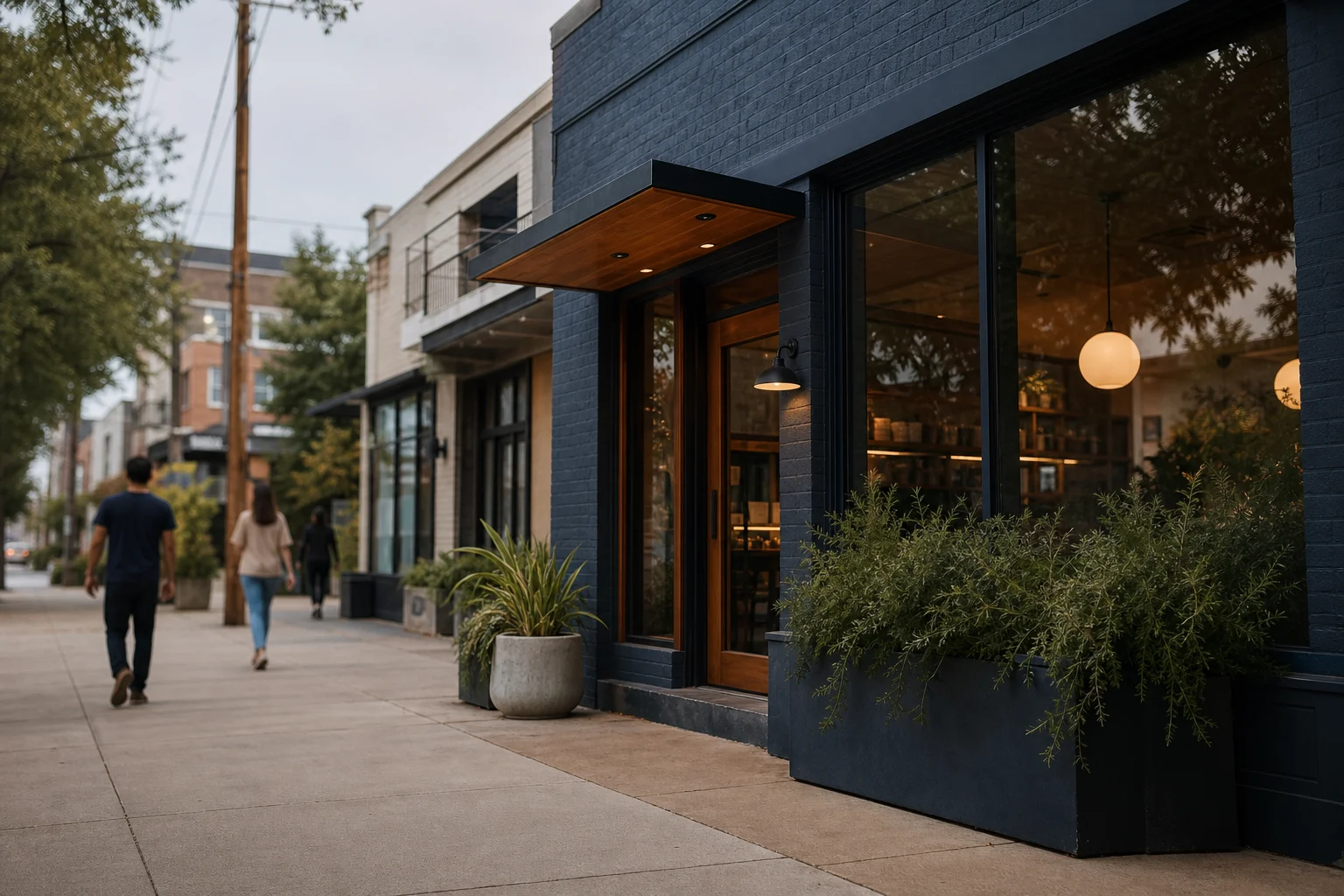
Equipment Categories by Launch Format
Your bakery's format will dictate the equipment categories you'll need to budget for. A full-service bakery with seating requires different equipment than a counter-service operation or a wholesale-only bakery. Seattle's neighborhoods each present unique opportunities and constraints that should influence your equipment decisions.
Madrona / Leschi (7.4/10) offers a promising market with zero direct bakery competitors within the immediate area. Golden Wheat Bakery (4.8★, 336 reviews) sits 650m away but closes at 3PM, leaving the evening and late-afternoon bakery slot wide open. This positioning suggests equipment that can handle both morning rushes and afternoon production for the untapped evening market.
Eastlake / Cascade (7.3/10) sits adjacent to South Lake Union's Amazon campus and Fred Hutch, giving it a strong daytime office-worker base. Grand Central Bakery (4.3★, 599 reviews) is the main incumbent at 523m, but complaints about 45+ minute waits and $14-17 sandwiches suggest a speed-focused bakery could carve a niche. Equipment that enables efficient service would be valuable in this location.
Capitol Hill (7.2/10) is Seattle's densest, most walkable neighborhood with maxed-out daytime population, strong transit via light rail, and a young, creative customer base. However, it's also the most competitive bakery market in this set: The French Guys Bakery (4.5★, 451 reviews), Nuflours Bakery (4.2★, 414 reviews), and Tous Les Jours (3.8★, 68 reviews) all operate within 700m. Equipment that differentiates your offerings would be essential in this competitive environment.
Buildout Assumptions That Change the Budget
Buildout requirements can significantly impact your budget depending on the condition of your space and local regulations. Seattle's building codes and health department requirements will dictate certain aspects of your buildout that cannot be compromised, while other elements offer flexibility based on your concept.
The rent level in Seattle's top bakery neighborhoods is relatively low at $30-50/sqft NNN, which can positively impact your overall budget. However, buildout costs can vary dramatically based on whether you're starting from a raw space or improving upon an existing food service location. A second-generation space with existing plumbing and electrical for food service will require less buildout than a retail space converted for bakery use.
Seattle's market temperature is promising, suggesting that investing in quality buildout may pay off through customer perception and operational efficiency. The medium competition density across neighborhoods means you have room to differentiate through your space design, which may influence your buildout priorities and budget allocation.
New vs Used Equipment Tradeoffs
The decision between new and used bakery equipment involves balancing upfront costs with long-term reliability and warranties. New equipment typically comes with manufacturer warranties and the latest energy efficiency features, while used equipment offers significant cost savings but may come with maintenance concerns.
Seattle's promising market temperature suggests that investing in reliable equipment could pay off through consistent product quality and operational efficiency. The medium competition density means you have room to differentiate through your equipment choices, whether that means investing in specialized equipment for unique products or focusing on efficiency to maintain competitive pricing.
The low rent level in Seattle's top bakery neighborhoods provides some budget flexibility for equipment decisions. However, the 82% score confidence in Locavisor neighborhood scoring suggests that careful equipment planning is still essential, as market conditions can evolve. Equipment that aligns with neighborhood demographics and customer preferences will be more likely to deliver a return on investment.
What to Inspect in a Second-Generation Space
When evaluating a second-generation bakery space, thorough inspection of existing equipment and infrastructure can save significant buildout costs. However, not all existing setups will align with your concept, making careful assessment essential before committing to a lease.
In Madrona / Leschi (7.4/10), the absence of direct bakery competitors within the immediate area means you have flexibility in equipment selection. However, the presence of Golden Wheat Bakery (4.8★, 336 reviews) 650m away suggests equipment that can differentiate your offerings would be valuable. Existing equipment that aligns with your concept could provide a competitive advantage, while equipment that doesn't match your vision may require replacement.
Eastlake / Cascade (7.3/10) presents an opportunity to serve the daytime office-worker base from South Lake Union's Amazon campus and Fred Hutch. Existing equipment that enables efficient service would be valuable in this location, given the complaints about 45+ minute waits at Grand Central Bakery (4.3★, 599 reviews) just 523m away. Inspecting existing equipment for capacity and efficiency could help you determine whether to invest in upgrades or replacements.
Capitol Hill (7.2/10)'s competitive bakery market with The French Guys Bakery (4.5★, 451 reviews), Nuflours Bakery (4.2★, 414 reviews), and Tous Les Jours (3.8★, 68 reviews) all operating within 700m means equipment that differentiates your offerings would be essential. Existing equipment that supports your unique concept could provide a significant advantage, while standard equipment may not help you stand out in this crowded market.
FAQ
What equipment do I need for A Bakery in Seattle?
The essential equipment for a Seattle bakery depends on your specific concept and format. A full-service bakery will require different equipment than a counter-service operation or wholesale-only bakery. Core equipment categories typically include mixers, ovens, proofing cabinets, refrigeration, display cases, and work tables. Seattle's neighborhoods each present unique opportunities that should influence your equipment decisions, with Madrona / Leschi (7.4/10) offering a promising market with zero direct bakery competitors within the immediate area, while Capitol Hill (7.2/10) presents the most competitive bakery market with multiple established players within 700m.
How does Seattle's rent level affect bakery equipment budgets?
Seattle's rent level is relatively low at $30-50/sqft NNN in top bakery neighborhoods, which can positively impact your overall equipment budget. The lower rent costs provide more flexibility for investing in quality equipment that can differentiate your bakery in a competitive market. However, equipment costs should still be carefully balanced with other startup expenses, as the promising market temperature suggests that strategic equipment investment can help capture market share.
What should I consider when choosing between new and used bakery equipment?
When choosing between new and used bakery equipment in Seattle, consider factors like upfront costs, long-term reliability, warranty coverage, and energy efficiency. New equipment typically comes with manufacturer warranties and the latest energy efficiency features, while used equipment offers significant cost savings but may require more maintenance. The medium competition density across Seattle's neighborhoods means you have room to differentiate through your equipment choices, whether that means investing in specialized equipment for unique products or focusing on efficiency to maintain competitive pricing.
How does neighborhood competition affect equipment decisions?
Neighborhood competition significantly impacts equipment decisions in Seattle's bakery market. In areas like Madrona / Leschi (7.4/10) with zero direct bakery competitors within the immediate area, you have more flexibility in equipment selection. However, in competitive markets like Capitol Hill (7.2/10) with multiple established players within 700m, equipment that differentiates your offerings becomes essential. Understanding the specific competitive landscape in your chosen neighborhood helps prioritize equipment investments that will help you capture market share.
What buildout factors should I consider for a bakery in Seattle?
Key buildout factors for a Seattle bakery include local building codes, health department requirements, plumbing and electrical capacity, ventilation systems, and customer flow considerations. Seattle's market temperature is promising, suggesting that investing in quality buildout may pay off through customer perception and operational efficiency. The low rent level provides some budget flexibility, but buildout costs can vary dramatically based on whether you're starting from a raw space or improving upon an existing food service location.
Last reviewed: 2026-05-08
Sources: U.S. Census Bureau ACS, LEHD LODES, Google Places, OpenStreetMap, Locavisor neighborhood scoring.
Methodology: Locavisor scores neighborhoods across demand, competition fit, rent fit, accessibility, and customer match. Scores reflect a snapshot of recent data and should be combined with on-the-ground research before lease decisions.
Disclaimer: This article provides informational content only and does not constitute legal, financial, accounting, or real-estate advice. Verify lease terms, licensing, local regulations, costs, and professional requirements with qualified local professionals before making business decisions.
Free preview shows top 3 neighborhoods. Full $9.99 report covers all 10 areas with personalized scoring + 90-day check-ins.
Informational only. Verify lease, licensing, local regulations, costs, and professional requirements with qualified local professionals.