Dallas, TX · barber shop
Barber shop equipment costs Dallas
Opening a barber shop in Dallas requires careful planning, especially when it comes to equipment and buildout costs. The equipment you choose and how you configure your space will directly impact your operational efficiency, customer experience, and overall profitability. Dallas offers diverse neighborhoods with varying rent structures, from the high-end Legacy West area to more affordable districts like Bishop Arts. Understanding the equipment needs and buildout requirements specific to Dallas is crucial for your business success.
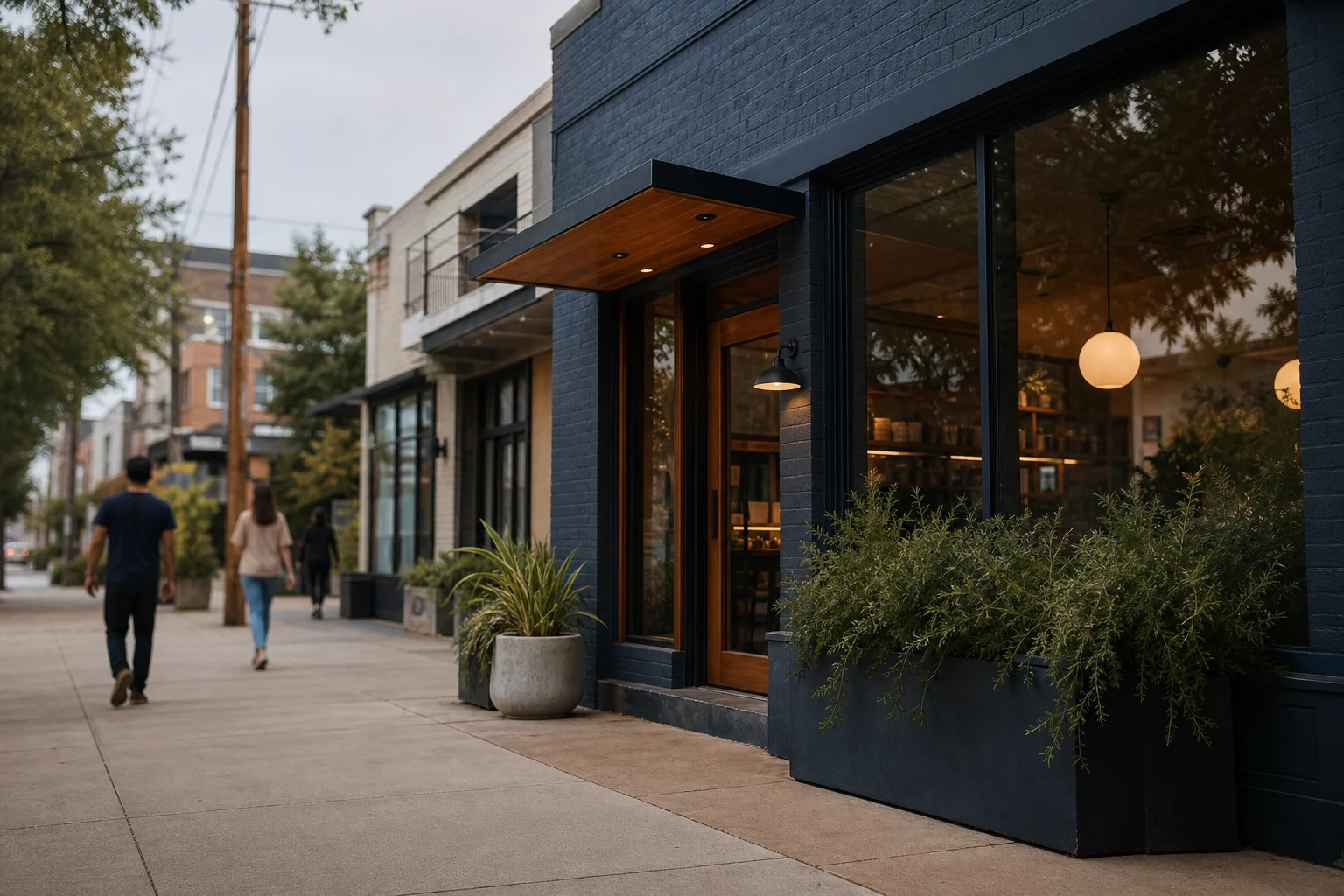
What equipment do you need to open a barber shop in Dallas?
The core equipment for a barber shop in Dallas typically includes barber chairs, mirrors, clippers, trimmers, hairdryers, and styling stations. However, the specific configuration depends on your shop's size, target clientele, and location. For example, shops in the Bishop Arts District like Brass Tacks Barber Shop or Revolt Barbershop might focus on creating a welcoming atmosphere with comfortable seating and high-quality tools, while shops in Legacy West might emphasize premium equipment and a more upscale aesthetic.
When planning your equipment purchases, consider the following:
- Barber chairs (stationary or hydraulic)
- Mirrors and lighting systems
- Hair clippers and trimmers
- Hairdryers and styling tools
- Shaving equipment (razors, straight razors)
- Product display units
- Reception desk and waiting area furniture
- Sanitation stations
The choice between new and used equipment, leasing versus purchasing, and the specific brands you select will all impact your initial investment. Dallas-based barbers should also consider the local climate and how equipment might be affected by humidity or temperature variations throughout the year.
Buildout cost categories
Plumbing and electrical
Plumbing and electrical work represents a significant portion of your buildout costs. In Dallas, you'll need to install proper plumbing for sinks, possibly a shampoo area, and ensure compliance with local building codes. Electrical work is equally important, as you'll need sufficient power for multiple clippers, dryers, and lighting systems running simultaneously.
The Bishop Arts District, with its $25-$85/sqft/yr NNN rent band, might present different electrical challenges compared to Legacy West, which has a fixed $55/sqft/yr NNN rate. Shops in older buildings like those found in Bishop Arts might require more extensive electrical upgrades to handle modern equipment, while newer developments in Legacy West might have more current infrastructure.
HVAC and ventilation
Proper HVAC and ventilation systems are critical for maintaining a comfortable environment and ensuring good air quality in your barber shop. Dallas's climate, with hot summers and mild winters, requires efficient climate control. Additionally, ventilation systems help remove hair particles and chemical fumes from styling products.
The ventilation needs will vary based on your shop's size and the specific services you offer. Shops offering traditional wet shaves or using certain styling products might require more robust ventilation systems. Consider consulting with local HVAC professionals familiar with commercial barber shop installations in Dallas neighborhoods.
Flooring and finishes
Flooring and finishes contribute to both the aesthetic appeal and durability of your barber shop. In high-traffic areas like the Bishop Arts District, where shops like The City's Barbershop Company operate, durable flooring that's easy to clean becomes essential. Options range from polished concrete to high-quality tile or vinyl that can withstand constant foot traffic and potential water exposure.
The choice of finishes should align with your brand identity. Shops in Legacy West might opt for more upscale materials, while those in Trinity Groves could choose more industrial or rustic finishes that complement the neighborhood's character. Remember that certain finishes might require additional maintenance in Dallas's climate.
Permits-driven items
Obtaining the necessary permits is a critical step in your buildout process. In Dallas, you'll likely need building permits, health department approvals, and possibly specialized permits for plumbing or electrical work. The specific requirements can vary by neighborhood, so it's essential to consult with local authorities early in your planning phase.
Permits might also dictate certain equipment installations, such as proper ventilation systems or accessible restroom facilities. Working with a local contractor familiar with Dallas building codes can help ensure compliance and prevent costly delays.
Furniture and signage
Furniture and signage complete your shop's look and help establish your brand identity. In competitive neighborhoods like Bishop Arts, where multiple barbershops operate (including Brass Tacks Barber Shop, Revolt Barbershop, and Bishop Barbers), distinctive furniture and eye-catching signage can help your business stand out.
Consider how your furniture choices will impact customer flow and comfort. Waiting area seating, reception desks, and display units for products all contribute to the overall customer experience. Signage should be visible from the street while complying with local regulations regarding size and placement.
Equipment line items to validate in Dallas
When planning your equipment purchases, focus on items that will provide the best return on investment for your specific location and target market. In Dallas's diverse neighborhoods, equipment needs can vary significantly:
| Equipment Category | Key Considerations for Dallas Barber Shops | Neighborhood Examples |
|---|---|---|
| Barber Chairs | Durability, comfort, ease of cleaning | Bishop Arts, Legacy West |
| Lighting | Energy efficiency, color rendering | All neighborhoods |
| Sanitation Stations | Compliance with health department standards | Bishop Arts, Las Colinas |
| Product Displays | Alignment with target customer preferences | Trinity Groves, Addison |
| Reception Area | Welcoming atmosphere, professional appearance | Bishop Arts, Legacy West |
- Barber chairs: Consider the comfort and durability needed for your clientele. Shops in areas with higher foot traffic might benefit from more robust, easy-to-clean chairs.
- Lighting: Proper lighting is crucial for precision work. Dallas shops should consider energy-efficient options that provide good color rendering for accurate hair coloring and styling.
- Sanitation stations: With health and safety being paramount, invest in high-quality sanitation stations that meet Dallas health department standards.
- Product displays: Effective product displays can boost sales. Consider the types of products your target customers prefer in your specific Dallas neighborhood.
- Reception area furniture: Create a welcoming first impression with comfortable seating and a professional reception desk.
How established operators in Dallas configure their kitchens
Looking at successful barber shops in Dallas can provide valuable insights into equipment and layout. Shops in the Bishop Arts District, such as Revolt Barbershop and The City's Barbershop Company, often feature open layouts that encourage customer interaction while maintaining efficient workspaces.
These established operators typically prioritize:
- Ample counter space for tools and products
- Comfortable seating that doesn't impede movement
- Strategic placement of mirrors to enhance the customer experience
- Efficient storage solutions that keep frequently used items accessible
- Aesthetic elements that reflect the neighborhood's character
By studying these successful configurations, you can identify best practices that might work for your own barber shop in Dallas.
Used vs. new vs. lease
Deciding between used, new, or leased equipment is a critical financial consideration. Used equipment can significantly reduce initial costs but may come with maintenance issues. New equipment offers reliability and the latest features but at a higher price point. Leasing provides flexibility but results in ongoing payments rather than ownership.
In Dallas's competitive market, the right choice depends on your budget, business model, and long-term plans. Shops in higher-rent areas like Legacy West might justify investing in new equipment to attract a premium clientele, while those in more affordable neighborhoods could opt for quality used equipment to maximize their initial capital.
Buildout timeline
The buildout timeline for your barber shop will depend on several factors, including the complexity of your design, contractor availability, and permit processing times. In Dallas, typical buildout projects range from a variable local timeline, but this can vary significantly based on your specific circumstances.
Key timeline considerations include:
- Permit approval process (can vary by neighborhood)
- Contractor scheduling and availability
- Equipment ordering and delivery times
- Weather considerations (especially important in Dallas)
- Final inspections and approvals
Working with experienced local contractors who understand Dallas's building processes can help streamline your timeline and minimize delays.
Common buildout overruns
Many barber shop owners experience cost overruns during their buildout process. Common areas where expenses can exceed budget include:
- Unexpected structural issues discovered during renovation
- Delays in permit approvals
- Changes in design or scope during construction
- Price increases for materials or labor
- Unforeseen utility upgrades
To mitigate these risks, maintain a contingency fund (typically 10-20% of your buildout budget) and work with experienced contractors who provide accurate estimates and transparent pricing.
FAQ
What equipment do I need to open a barber shop in Dallas?
The essential equipment for a Dallas barber shop includes barber chairs, mirrors with proper lighting, hair clippers and trimmers, hairdryers, styling tools, shaving equipment, product display units, reception desk, waiting area furniture, and sanitation stations. The specific configuration will depend on your shop's size, target market, and location within Dallas.
How do Dallas neighborhoods affect equipment choices?
Dallas neighborhoods have varying rent structures and customer demographics that influence equipment decisions. Higher-end areas like Legacy West ($55/sqft/yr NNN) might justify premium equipment, while more affordable districts like Bishop Arts ($25-$85/sqft/yr NNN) could benefit from quality mid-range options. Consider the local competition and customer expectations when selecting your equipment.
Should I buy new or used barber shop equipment in Dallas?
The decision between new and used equipment depends on your budget, business model, and long-term plans. New equipment offers reliability and the latest features but at a higher cost. Used equipment can reduce initial investment but may require more maintenance. Leasing provides flexibility but results in ongoing payments. Evaluate your specific situation and consult with local suppliers to make the best choice for your Dallas barber shop.
Last reviewed: 2026-05-30
Sources: U.S. Census Bureau ACS, LEHD LODES, Google Places, OpenStreetMap, Locavisor neighborhood scoring.
Methodology: Locavisor scores neighborhoods across demand, competition fit, rent fit, accessibility, and customer match. Scores reflect a snapshot of recent data and should be combined with on-the-ground research before lease decisions.
Disclaimer: This article provides informational content only and does not constitute legal, financial, accounting, or real-estate advice. Verify lease terms, licensing, local regulations, costs, and professional requirements with qualified local professionals before making business decisions.
Free preview shows top 3 neighborhoods. Full $9.99 report covers all 10 areas with personalized scoring + 90-day check-ins.
Informational only. Verify lease, licensing, local regulations, costs, and professional requirements with qualified local professionals.