Minneapolis, MN · barber shop
Barber shop equipment costs Minneapolis
Planning a barber shop in Minneapolis requires careful consideration of equipment and buildout costs that vary significantly across different neighborhoods. The barber shop equipment costs Minneapolis market presents unique challenges and opportunities depending on your chosen location, with premium areas commanding higher rent but potentially offering greater customer traffic.
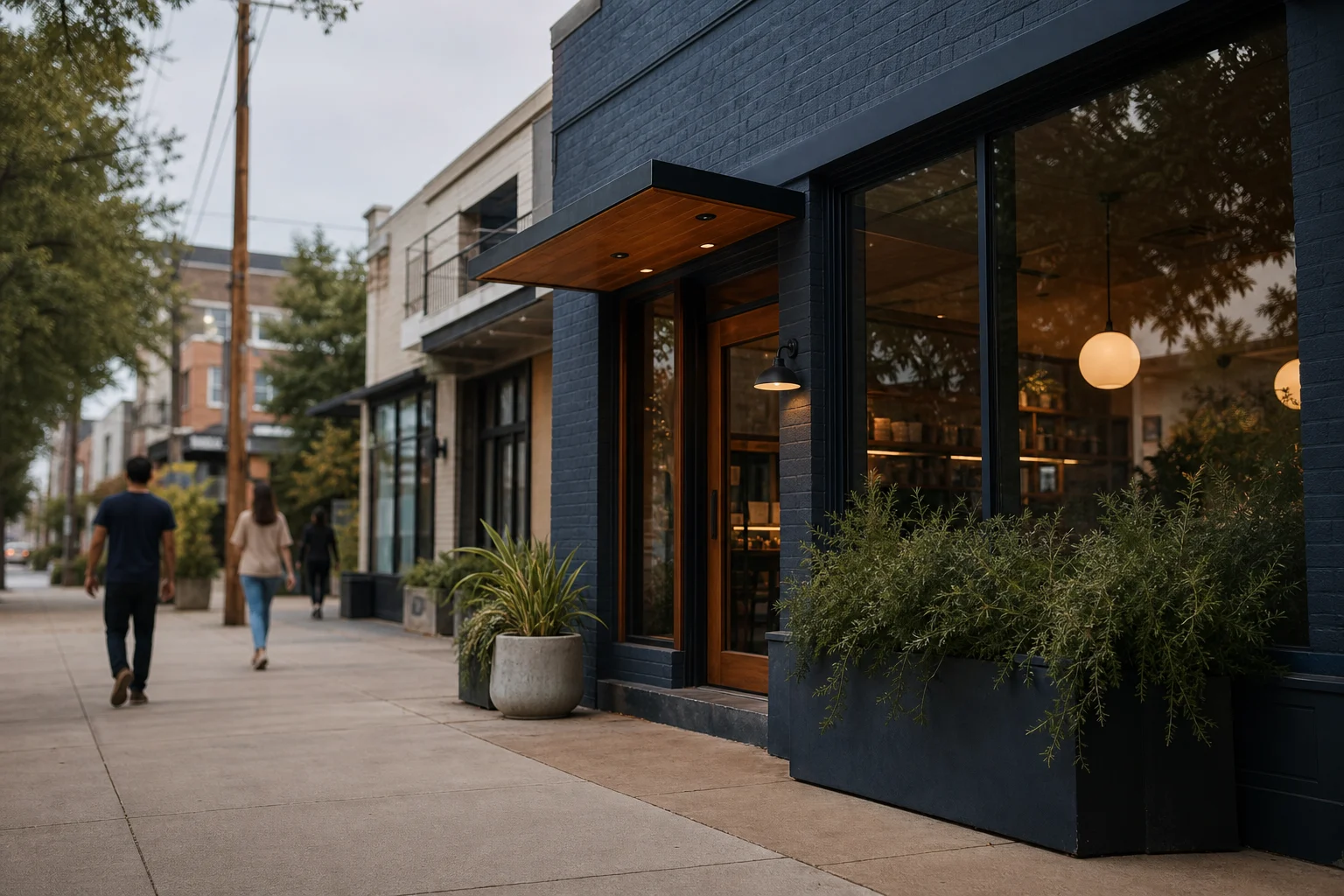
Equipment categories by launch format
When planning your Minneapolis barber shop, equipment needs differ based on your business format. A traditional barbershop requires different equipment than a modern unisex salon or a specialized men's grooming studio. Your equipment categories should align with your target clientele and service offerings.
Basic barber equipment includes chairs, mirrors, clippers, trimmers, and wash stations. Additional equipment may vary based on your specialty services. Consider whether you'll offer traditional straight razor shaves, beard grooming, coloring services, or scalp treatments. Each service requires specific tools and stations.
The space layout directly impacts equipment needs. A smaller shop might require multi-functional stations to maximize limited space, while larger locations can accommodate specialized areas. Your equipment selection should balance functionality with the spatial constraints of your chosen Minneapolis neighborhood.
Buildout assumptions that change the budget
Buildout requirements vary significantly across Minneapolis neighborhoods, affecting your equipment budget. North Loop's premium rent of $65-95/sqft NNN means you'll likely need a smaller footprint, potentially requiring more space-efficient equipment solutions. In contrast, Lowry Hill and Downtown's more manageable rent of $20-35/sqft NNN allows for larger spaces and potentially more elaborate buildouts.
The market temperature in Minneapolis is mixed, suggesting a balanced approach to equipment investment. You don't want to over-invest in high-end equipment before establishing your customer base, but under-investing could impact service quality and customer perception.
Competition density is medium across all three top areas, with varying levels of established competitors. In Lowry Hill, you'll face minimal competition with only Kenwood Barbers operating nearby. Downtown has two established barbershops—SimplyFaded Barbershop (4.9★, 92 reviews) and B's Barbershop LLC (4.5★, 73 reviews)—while North Loop's high office density creates a different competitive dynamic. Your equipment strategy should consider how you'll differentiate from these existing businesses.
New vs used equipment tradeoffs
The decision between new and used equipment significantly impacts your initial investment and long-term maintenance costs. New equipment offers the latest technology, warranties, and energy efficiency, but comes with a higher upfront cost. Used equipment reduces initial expenses but may require more frequent repairs and lack modern features.
In premium areas like North Loop, clients may expect newer, more sophisticated equipment. The high daytime worker population suggests a clientele that values efficiency and modern amenities. In contrast, Lowry Hill's residential density and proximity to cultural institutions like the Walker Art Center and Sculpture Garden might attract clients more interested in traditional barbering experiences.
Your equipment selection should balance initial investment with long-term value. Consider which items provide the best return on investment based on your service offerings and target market. Some equipment, like chairs and wash stations, may warrant new purchases, while others like clippers and trimmers might be suitable used options.
What to inspect in a second-generation space
When considering a second-generation space in Minneapolis, thorough inspection of existing infrastructure can significantly impact your equipment budget. Look for plumbing and electrical systems that can support barber equipment without extensive modifications. Existing cabinetry and flooring might be salvageable, reducing buildout costs.
In North Loop's premium spaces, the existing buildout might already support barber operations, potentially reducing equipment needs. However, the high rent level means you'll need to maximize efficiency in your equipment selection to maintain profitability.
Lowry Hill's more affordable spaces might require more extensive buildout but offer greater flexibility in equipment selection. The strong walkability and residential density suggest a steady local clientele that could support specialized equipment investments.
Downtown's most affordable rent comes with strong parking and transit access, which can offset equipment costs through increased customer convenience. When inspecting second-generation spaces here, consider how existing infrastructure aligns with your equipment needs and service offerings.
FAQ
What equipment do I need for A Barber Shop in Minneapolis?
A Minneapolis barber shop requires several categories of equipment to operate effectively. Basic necessities include barber chairs, mirrors, clippers, trimmers, and wash stations. Additional equipment depends on your service offerings—traditional straight razor shaves require specialized stations and tools, while beard grooming needs specific scissors and trimmers. Consider your target neighborhood's demographics when selecting equipment; North Loop's daytime worker population might favor efficient, modern stations, while Lowry Hill's residential density could support more traditional barbering experiences. Your equipment should align with your business format, whether you're operating a traditional barbershop, unisex salon, or specialized men's grooming studio.
Last reviewed: 2026-05-08
Sources: U.S. Census Bureau ACS, LEHD LODES, Google Places, OpenStreetMap, Locavisor neighborhood scoring.
Methodology: Locavisor scores neighborhoods across demand, competition fit, rent fit, accessibility, and customer match. Scores reflect a snapshot of recent data and should be combined with on-the-ground research before lease decisions.
Disclaimer: This article provides informational content only and does not constitute legal, financial, accounting, or real-estate advice. Verify lease terms, licensing, local regulations, costs, and professional requirements with qualified local professionals before making business decisions.
Free preview shows top 3 neighborhoods. Full $9.99 report covers all 10 areas with personalized scoring + 90-day check-ins.
Informational only. Verify lease, licensing, local regulations, costs, and professional requirements with qualified local professionals.