New Orleans, LA · barber shop
Barber shop equipment costs New Orleans
Planning a barber shop in New Orleans requires careful consideration of equipment costs and buildout planning. The city's unique market conditions and specific neighborhood characteristics significantly impact your budget allocation. Understanding barber shop equipment costs in New Orleans means analyzing both the physical tools of the trade and how they integrate with your chosen location's operational realities.
Equipment categories by launch format
Your equipment budget will vary dramatically based on your shop's format and concept. Traditional barber shops require different equipment than modern barbershops or unisex salons. The core equipment categories include barber chairs, styling stations, wash stations, mirrors, clippers, trimmers, dryers, and sterilization equipment. Each category comes with different price points based on quality, brand, and features.
The Tulane/Loyola Area presents a challenging rent environment at $90-140/sqft NNN, which directly impacts your equipment budget allocation. In this high-rent market, you'll need a 60%+ rebook rate to cover overhead, making equipment durability and efficiency critical. Your equipment choices must balance initial investment with long-term reliability to maintain profitability despite steep occupancy costs.
The CBD/Warehouse District offers similar rent challenges but benefits from a strong daytime office-worker crowd. Five barbershops within 800m, including The Parker Barber (4.5★, 254 reviews), indicate a competitive but validated market. Here, equipment should support high-volume service times to capitalize on lunch and after-work rushes. Efficiency-focused equipment becomes essential to maximize revenue during peak hours.
In the French Quarter, tourist traffic creates unique equipment considerations. While rent is trophy-tier at $90-140/sqft NNN, the tourist demographic doesn't rebook regularly. Equipment should facilitate quick service turnover while maintaining quality. The presence of established shops like Monteleone Barber Shop (4.5★, 134 reviews) and Decatur Barbershop (4.6★, 127 reviews) suggests equipment that supports both tourist and local clientele is optimal.
Buildout assumptions that change the budget
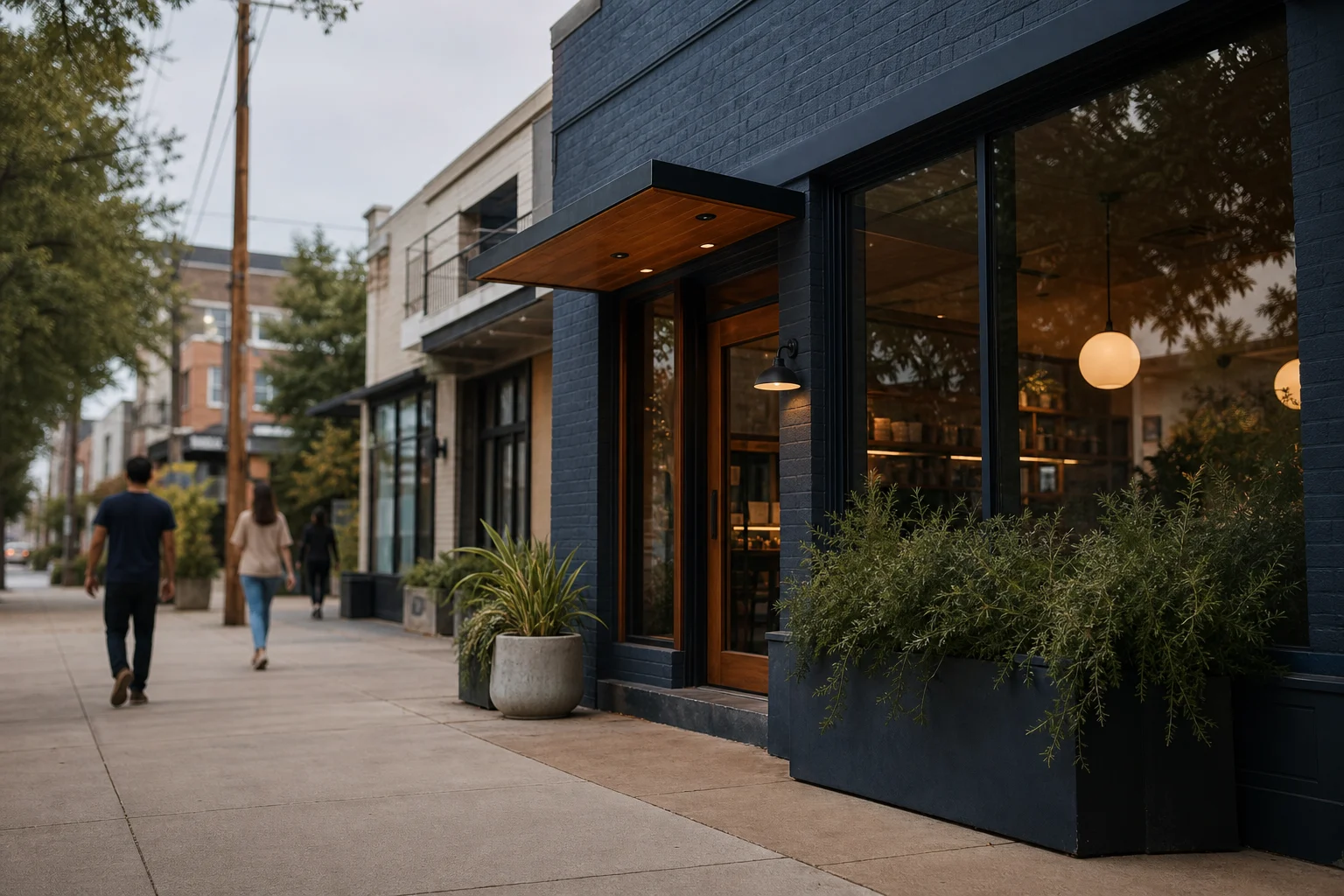
Buildout requirements significantly impact your total investment beyond just equipment. Flooring, lighting, plumbing, electrical work, ventilation, and reception areas all contribute to your budget. The French Quarter's retail density might require more elaborate storefront design, while the Tulane/Loyola Area's student population might benefit from a more casual, modern aesthetic.
The high rent levels across all three top areas ($90-140/sqft NNN) create budget pressure that extends to buildout quality. In the CBD/Warehouse District, where walkability is maximized, your buildout should enhance street visibility to capture the office-worker traffic. The Tulane/Loyola Area's strong walkability and streetcar access suggest buildout that creates an inviting storefront for students, office workers, and tourists.
Ventilation requirements represent a significant buildout consideration in New Orleans' climate. Proper HVAC systems are essential for client comfort and regulatory compliance, particularly in spaces with multiple barber stations. The French Quarter's iconic status might impose additional aesthetic requirements that impact buildout complexity and cost.
New vs used equipment tradeoffs
New equipment offers the latest technology, warranties, and energy efficiency but comes with a higher upfront cost. Used equipment can significantly reduce initial investment but carries risks of wear, limited warranties, and potentially higher maintenance costs. The weak market temperature in New Orleans might create opportunities for quality used equipment from closing shops.
The Tulane/Loyola Area's high rent environment makes equipment longevity particularly important. Investing in higher-quality new equipment might provide better long-term value despite the higher initial cost, especially when considering the need for a 60%+ rebook rate to cover overhead. The university setting might also benefit from newer equipment that projects a modern image to younger clientele.
In the CBD/Warehouse District, where competition density is medium, equipment that differentiates your shop could justify new purchases. The presence of established competitors like The Parker Barber suggests that quality equipment can contribute to your shop's reputation and ability to capture market share. Used equipment might be appropriate for less visible or supporting items.
The French Quarter's tourist traffic creates a unique consideration for equipment. Tourists often expect modern amenities and technology, suggesting that newer equipment might provide better first impressions. However, the transient nature of tourist business might make used equipment for high-wear items a practical compromise.
What to inspect in a second-generation space
When considering an existing barber shop location, thorough inspection of existing equipment and buildout elements can reveal hidden costs and opportunities. Check the condition of plumbing for wash stations, electrical capacity for multiple stations, and flooring durability in high-traffic areas. The Tulane/Loyola Area's student population might indicate higher wear on certain amenities.
In the CBD/Warehouse District, inspect the existing buildout for its ability to capture the lunch and after-work crowd. The proximity to established competitors like The Parker Barber suggests evaluating whether the existing layout supports efficient service during peak hours. Ventilation systems should be particularly scrutinized given the potential for high client volume.
The French Quarter's tourist-focused market requires inspection of equipment that facilitates quick service turnover. Check mirrors for clarity and positioning, chairs for adjustability and comfort, and stations for efficient workflow. The presence of Monteleone Barber Shop and Decatur Barbershop suggests evaluating whether existing equipment can compete with established neighborhood favorites.
Regardless of location, inspect all sterilization equipment for compliance with health regulations. Outdated or non-compliant equipment could require immediate replacement, significantly impacting your budget. Also evaluate storage capacity for supplies and retail products, which can affect your ability to generate additional revenue streams.
FAQ
What equipment do I need for A Barber Shop in New Orleans?
Essential equipment for a New Orleans barber shop includes barber chairs, styling stations, wash stations, mirrors, clippers, trimmers, dryers, and sterilization equipment. The specific mix depends on your shop's format and target clientele. Traditional barber shops might focus on classic barber services with specialized equipment, while modern barbershops might include additional amenities for diverse services.
How does location affect my equipment budget in New Orleans?
New Orleans' top locations all have high rent levels ($90-140/sqft NNN), which impacts your overall budget allocation. The Tulane/Loyola Area requires equipment that supports a 60%+ rebook rate, while the CBD/Warehouse District benefits from equipment that maximizes efficiency during peak hours. The French Quarter's tourist traffic suggests equipment that facilitates quick service turnover while maintaining quality.
Should I buy new or used equipment for my New Orleans barber shop?
The decision between new and used equipment depends on your budget, risk tolerance, and specific needs. New equipment offers warranties and the latest technology but comes with higher upfront costs. Used equipment can reduce initial investment but carries maintenance risks. New Orleans' weak market temperature might create opportunities for quality used equipment from closing shops.
What buildout elements should I prioritize in a high-rent area?
In high-rent areas like New Orleans' top locations, prioritize buildout elements that enhance operational efficiency and client experience. Ventilation systems are critical for comfort and compliance. Flooring should be durable in high-traffic areas. Lighting should create an inviting atmosphere while supporting service quality. The specific priorities depend on your location's characteristics—student areas might benefit from modern aesthetics, while tourist areas might require efficient service layouts.
How does competition affect my equipment choices in New Orleans?
New Orleans' medium competition density means your equipment should help differentiate your shop while meeting client expectations. The presence of established competitors like The Parker Barber in the CBD/Warehouse District and Monteleone Barber Shop in the French Quarter suggests evaluating whether your equipment can match or exceed neighborhood standards. Equipment that supports efficient service during peak hours can be particularly valuable in competitive markets.
Last reviewed: 2026-05-08
Sources: U.S. Census Bureau ACS, LEHD LODES, Google Places, OpenStreetMap, Locavisor neighborhood scoring.
Methodology: Locavisor scores neighborhoods across demand, competition fit, rent fit, accessibility, and customer match. Scores reflect a snapshot of recent data and should be combined with on-the-ground research before lease decisions.
Disclaimer: This article provides informational content only and does not constitute legal, financial, accounting, or real-estate advice. Verify lease terms, licensing, local regulations, costs, and professional requirements with qualified local professionals before making business decisions.
Free preview shows top 3 neighborhoods. Full $9.99 report covers all 10 areas with personalized scoring + 90-day check-ins.
Informational only. Verify lease, licensing, local regulations, costs, and professional requirements with qualified local professionals.