Phoenix, AZ · barber shop
Barber shop equipment costs Phoenix
Planning a barber shop in Phoenix requires careful consideration of equipment and buildout costs. The right equipment setup impacts both customer experience and operational efficiency. Phoenix's market temperature is promising with medium competition density and low rent levels, making it an attractive location for new barbershops.
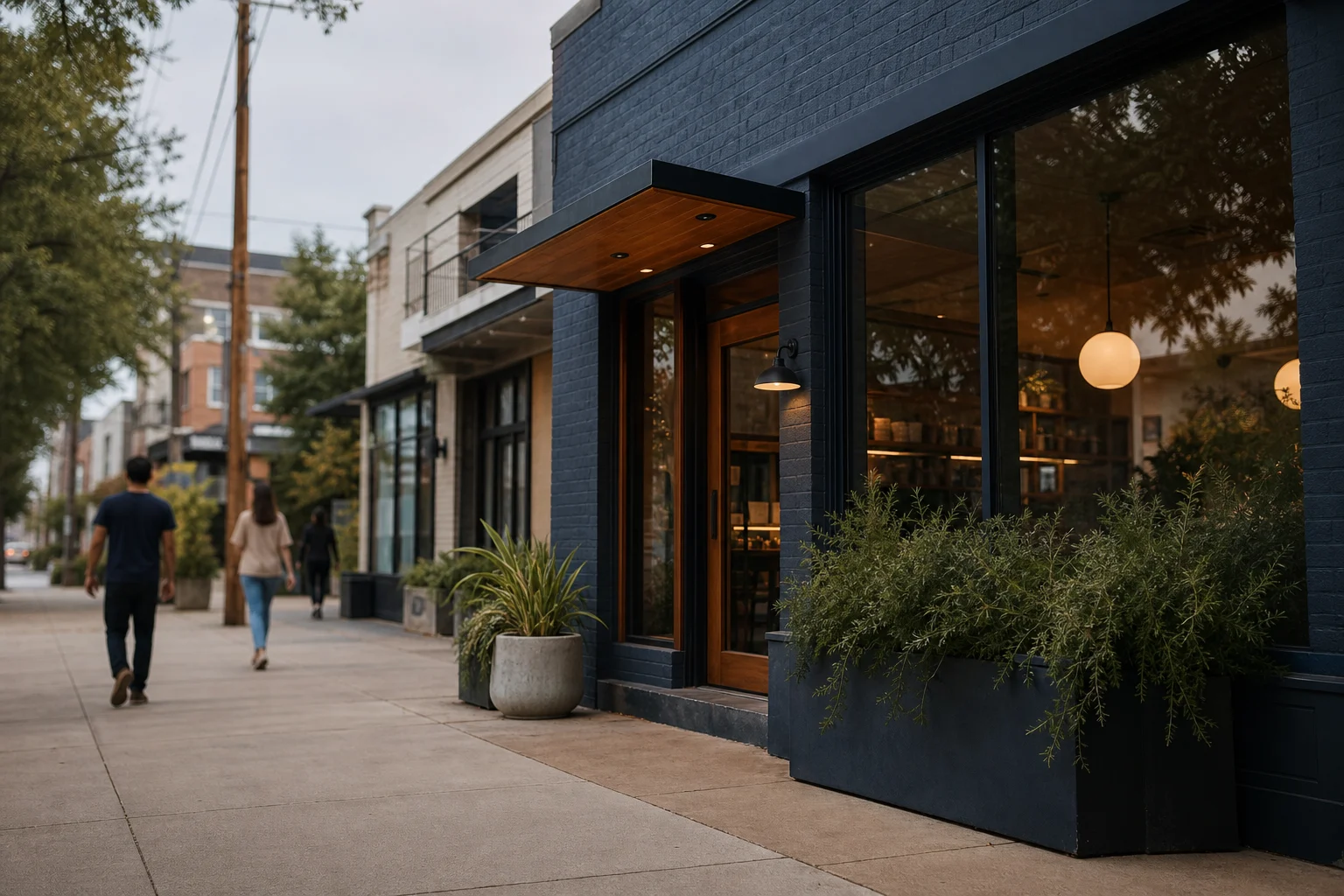
Equipment categories by launch format
Your barber shop equipment needs will vary based on your chosen format. Traditional barber shops require different equipment than modern unisex salons or specialized men's grooming establishments. The equipment categories remain consistent across formats but may differ in quality and quantity.
Basic barber equipment includes chairs, mirrors, clippers, trimmers, and washing stations. Specialty shops might add beard grooming stations, hot towel cabinets, or massage chairs. Each format impacts your initial investment and ongoing maintenance costs. Consider your target clientele when selecting equipment categories.
Buildout assumptions that change the budget
Buildout requirements significantly impact your budget planning. Phoenix's rent levels are favorable, with Camelback Corridor running roughly $30-50/sqft NNN, Old Town Scottsdale at $20-35/sqft NNN, and Roosevelt Row at $30-50/sqft NNN. These rent levels influence how much you can allocate to equipment versus space improvements.
Floor plan design affects both equipment placement and customer flow. A well-designed layout maximizes chair count while maintaining comfort. Plumbing requirements for washing stations can increase buildout costs, especially in spaces without existing facilities. Electrical capacity impacts how many stations you can support simultaneously.
The condition of your space determines buildout expenses. Second-generation spaces often require less construction than ground-up builds. However, older buildings may need significant electrical or plumbing upgrades. Factor in these variables when planning your equipment budget.
New vs used equipment tradeoffs
New equipment offers reliability and warranty protection but comes with higher upfront costs. Used equipment reduces initial investment but may require more maintenance. The market temperature in Phoenix suggests that investing in quality equipment could provide better long-term value.
Consider the lifespan of each equipment category when deciding between new and used. Barber chairs and stations have longer useful lives than clippers and trimmers. High-traffic areas benefit more from durable new equipment. Storage and reception areas might function adequately with quality used items.
The competition density in Phoenix's top areas is medium, meaning your equipment quality can help differentiate your business. Camelback Corridor has only one direct competitor (No Filter Barbershop, 4.9★, 85 reviews) with limited hours. Old Town Scottsdale has Ace of Fades 2 (4.8★, 329 reviews) as a proven incumbent. Roosevelt Row is already saturated with multiple established barbershops.
What to inspect in a second-generation space
When evaluating existing barber shop spaces, focus on equipment compatibility and condition. Check if existing plumbing and electrical systems meet your equipment requirements. Look for signs of water damage around washing stations and electrical issues near styling stations.
Assess the condition of built-in elements like mirrors, cabinetry, and flooring. These items are expensive to replace and may impact your equipment budget. Consider whether existing equipment can be incorporated into your plan or needs complete replacement.
The Top 3 areas in Phoenix offer different advantages. Camelback Corridor (7.2/10) has top-tier office density, strong walkability, and Biltmore Fashion Park anchor. Old Town Scottsdale (6.8/10) offers strong daytime office density and more favorable rent. Roosevelt Row (6.6/10) has near-maxed walkability, strong student density from ASU Downtown, and First Friday event traffic but is already saturated with barbers.
FAQ
What equipment do I need for A Barber Shop in Phoenix?
A basic barber shop in Phoenix requires barber chairs, mirrors, clippers, trimmers, washing stations, and reception furniture. Additional equipment might include beard grooming stations, hot towel cabinets, and retail display cases depending on your specific format and services offered. The exact equipment needs will vary based on your shop's size, services, and target clientele.
How does location impact equipment costs in Phoenix?
Location affects equipment costs indirectly through rent levels and competition. Areas with lower rent like Old Town Scottsdale ($20-35/sqft NNN) allow more budget for quality equipment. Areas with higher competition like Roosevelt Row may require more specialized equipment to differentiate your business. Camelback Corridor's moderate competition presents an opportunity to focus on equipment quality as a differentiator.
Should I buy new or used equipment for my Phoenix barber shop?
The decision between new and used equipment depends on your budget, timeline, and risk tolerance. New equipment offers reliability and warranty protection but requires higher upfront investment. Used equipment reduces initial costs but may need more maintenance and have shorter lifespans. Consider the specific equipment category and your long-term business strategy when making this decision.
What should I look for in a second-generation barber shop space?
When evaluating existing spaces, check equipment compatibility, plumbing and electrical systems, and the condition of built-in elements. Look for signs of water damage, electrical issues, and assess whether existing equipment can be incorporated into your plan. Consider how the space's layout supports your equipment needs and customer flow.
How does Phoenix's market temperature affect equipment planning?
Phoenix's promising market temperature suggests that investing in quality equipment could provide good returns. The medium competition density means your equipment quality can help differentiate your business. Lower rent levels in some areas allow for more budget allocation to equipment rather than space improvements. Consider these market factors when planning your equipment investment strategy.
Last reviewed: 2026-05-08
Sources: U.S. Census Bureau ACS, LEHD LODES, Google Places, OpenStreetMap, Locavisor neighborhood scoring.
Methodology: Locavisor scores neighborhoods across demand, competition fit, rent fit, accessibility, and customer match. Scores reflect a snapshot of recent data and should be combined with on-the-ground research before lease decisions.
Disclaimer: This article provides informational content only and does not constitute legal, financial, accounting, or real-estate advice. Verify lease terms, licensing, local regulations, costs, and professional requirements with qualified local professionals before making business decisions.
Free preview shows top 3 neighborhoods. Full $9.99 report covers all 10 areas with personalized scoring + 90-day check-ins.
Informational only. Verify lease, licensing, local regulations, costs, and professional requirements with qualified local professionals.