San Francisco, CA · barber shop
Barber shop equipment costs San Francisco
Planning a barber shop in San Francisco requires careful consideration of equipment and buildout costs. The city's high rent levels and mixed market temperature create unique challenges for small business founders. This guide breaks down equipment categories, buildout considerations, and location-specific factors that impact your budget when opening a barber shop in San Francisco.
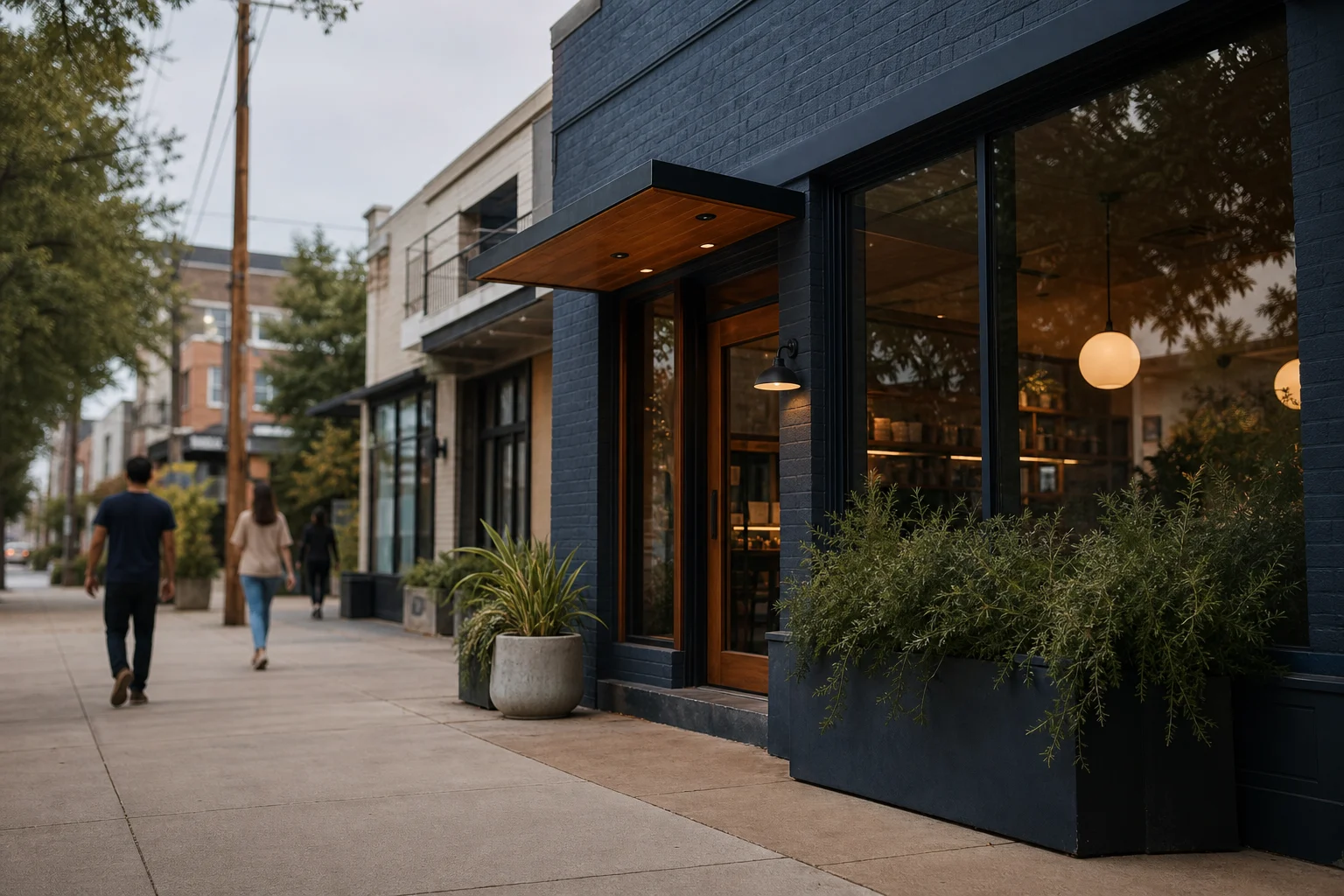
Equipment categories by launch format
Barber shop equipment falls into several essential categories that impact your initial investment. Each category serves a specific function in your daily operations and contributes to the overall customer experience. Your launch format—whether a traditional barbershop, a unisex salon, or a specialized grooming studio—determines which equipment categories require the most attention.
The core equipment includes barber chairs, styling stations, mirrors, and wash stations. These form the foundation of your shop's functionality and aesthetic appeal. Additional categories encompass reception furniture, retail displays for hair products, and specialized equipment like straight razor sterilizers or hot towel cabinets. The high rent level in San Francisco means you'll need to balance quality with space efficiency to maximize your investment.
Buildout assumptions that change the budget
Buildout requirements vary significantly across San Francisco's top neighborhoods for barber shops. The Tenderloin, Nob Hill, and Chinatown each present different structural considerations that affect your budget. Rent levels in these areas range from $45-70/sqft NNN in Tenderloin and Nob Hill to $65-95/sqft NNN in Chinatown, directly impacting how much you can allocate to buildout versus equipment.
Plumbing requirements represent one of the most significant buildout considerations. Barber shops need multiple water connections for wash stations and proper drainage that meets San Francisco's building codes. Electrical systems must accommodate multiple styling stations, lighting, and potentially specialized equipment like UV sterilizers. The medium competition density across these neighborhoods means you'll need to create a distinctive atmosphere that justifies your pricing while managing buildout costs.
Structural modifications like adding partitions, improving ventilation, or installing specialized flooring also contribute to buildout expenses. The uneven street conditions in the Tenderloin may require additional investment in exterior signage and window treatments to create an inviting appearance. In contrast, Chinatown's premium rent levels demand more efficient space utilization to maintain profitability.
New vs used equipment tradeoffs
The decision between new and used equipment affects both your initial investment and long-term maintenance costs. New equipment offers warranties, modern designs, and energy efficiency but comes with a higher upfront cost. Used equipment can reduce initial expenses by 30-50% but may lack warranties and require more frequent repairs.
The mixed market temperature in San Francisco creates opportunities for finding quality used equipment from closing businesses. However, the medium competition density means you'll need equipment that stands out to attract customers. Newer equipment often provides better customer experiences with features like adjustable-height chairs, improved ergonomics, and modern styling capabilities that justify premium pricing.
When evaluating used equipment, consider its remaining lifespan, compatibility with your shop's aesthetic, and repair history. The high rent levels in San Francisco make equipment longevity particularly important, as frequent replacements can significantly impact your bottom line. The 85% score confidence in Locavisor neighborhood scoring suggests that investing in reliable equipment across all three top neighborhoods will contribute to your long-term success.
What to inspect in a second-generation space
When considering a previously used barber shop space, thorough inspection prevents unexpected expenses. The structural integrity of plumbing and electrical systems should be your first priority, as these are costly to replace. Look for signs of water damage around wash stations and check that electrical systems can handle your equipment load without significant upgrades.
The layout of second-generation spaces may require modification to suit your specific concept. Chinatown's premium rent levels make efficient space utilization particularly important, while the Tenderloin's workable rent range offers more flexibility for layout changes. Consider whether existing partitions can be repurposed or if complete redesign is necessary to create your desired atmosphere.
Ventilation systems often require evaluation, especially if you plan to offer traditional straight razor shaves. The daytime population density in Chinatown means your shop may experience higher customer traffic, requiring more robust ventilation systems. Similarly, Nob Hill's strong office-worker lunch traffic creates peak demand periods that your equipment and buildout must accommodate without compromising service quality.
FAQ
What equipment do I need for A Barber Shop in San Francisco?
A barber shop in San Francisco requires several categories of equipment to operate effectively. Core equipment includes barber chairs with hydraulic lifts, styling stations with mirrors and adequate lighting, wash stations with shampoo bowls, and clipper sets with various attachments. Additional essentials include straight razors and strops, hair dryers, capes, and sanitization equipment like UV sterilizers.
The specific equipment needs vary based on your shop's format and services. Traditional barbershops may focus on straight razor shaves and classic haircuts, requiring specialized equipment like hot towel cabinets and straight razor sterilizers. Modern unisex salons might invest in diverse coloring equipment and specialized styling tools. The high rent levels in San Francisco's top neighborhoods mean you should prioritize versatile, space-efficient equipment that maximizes functionality within your square footage.
Beyond client-facing equipment, administrative tools like appointment scheduling software, point-of-sale systems, and retail display cases for hair products contribute to your shop's operations. The medium competition density across San Francisco's top neighborhoods means your equipment choices should reflect your unique positioning while meeting the practical needs of daily barbering services.
Last reviewed: 2026-05-08
Sources: U.S. Census Bureau ACS, LEHD LODES, Google Places, OpenStreetMap, Locavisor neighborhood scoring.
Methodology: Locavisor scores neighborhoods across demand, competition fit, rent fit, accessibility, and customer match. Scores reflect a snapshot of recent data and should be combined with on-the-ground research before lease decisions.
Disclaimer: This article provides informational content only and does not constitute legal, financial, accounting, or real-estate advice. Verify lease terms, licensing, local regulations, costs, and professional requirements with qualified local professionals before making business decisions.
Free preview shows top 3 neighborhoods. Full $9.99 report covers all 10 areas with personalized scoring + 90-day check-ins.
Informational only. Verify lease, licensing, local regulations, costs, and professional requirements with qualified local professionals.